Adnan
July 2026
Thank you,Dr Koh, for the excellent dental implant treatment.The whole process was well explained,smooth and comfortable.Im very pleased with the results and would definitely recommend this clinic to others
View on Google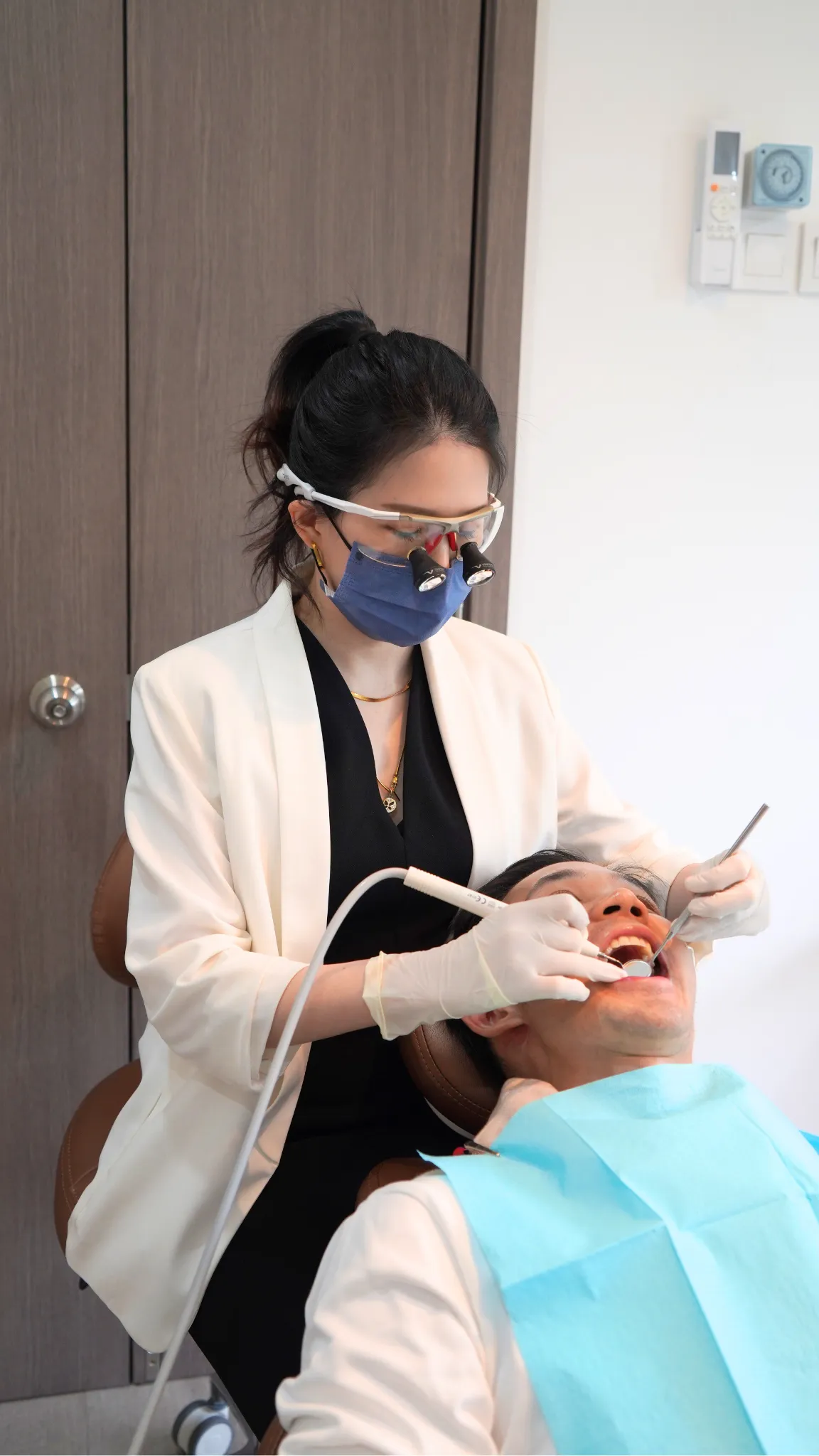
Simple and surgical removal of impacted wisdom teeth under local anaesthesia in SS2, planned from an OPG or CBCT scan so the nearby nerve is mapped first.
Wisdom teeth are the last molars to appear, usually between 17 and 25. When there is not enough room they come through at an angle or stay partly buried (impacted), which leads to pain, repeated gum infection, decay in the tooth in front, or cysts. Removal ranges from a simple extraction of a fully erupted tooth to a surgical procedure for an impacted one, and it is planned from an OPG or CBCT scan that shows the roots and the nearby nerve.
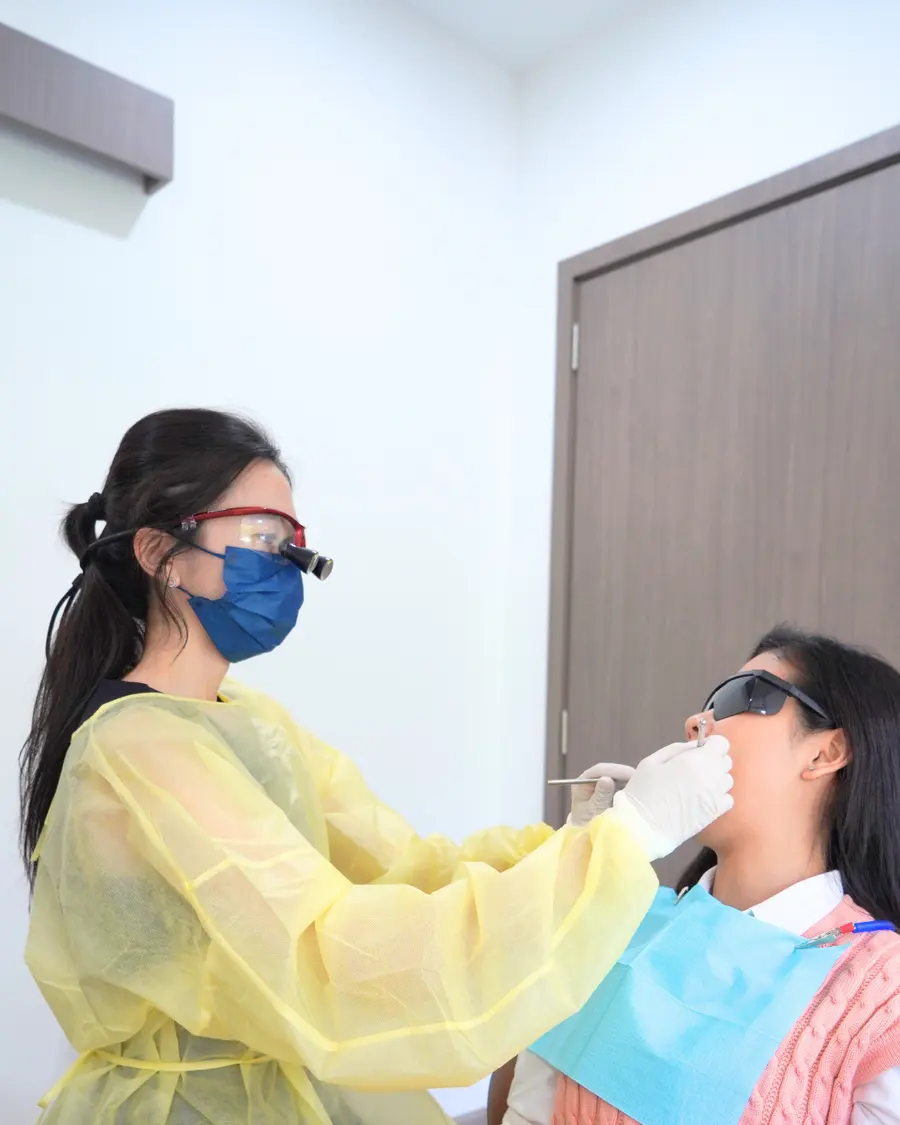
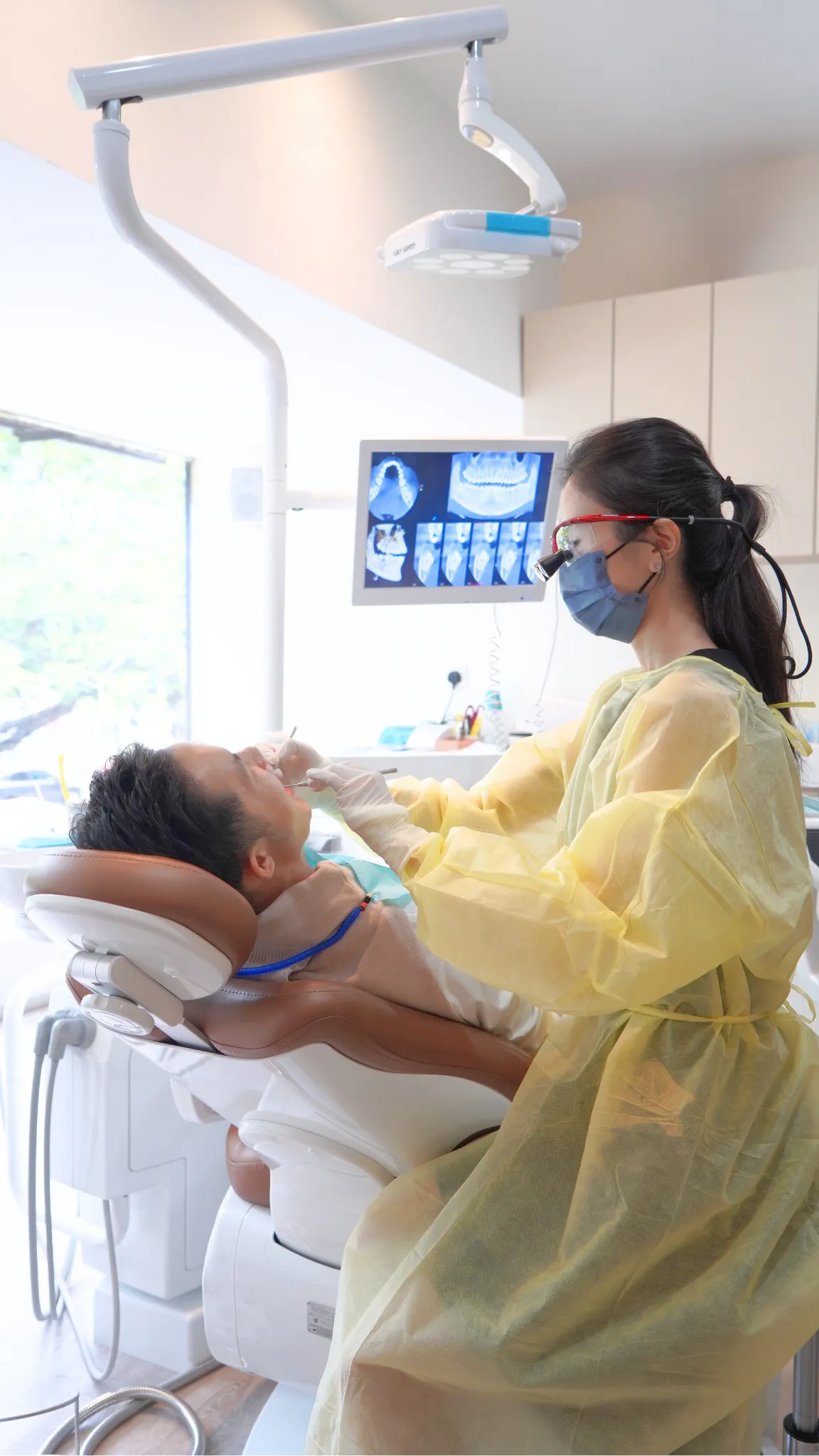
The roots and the nearby nerve are mapped before removal.
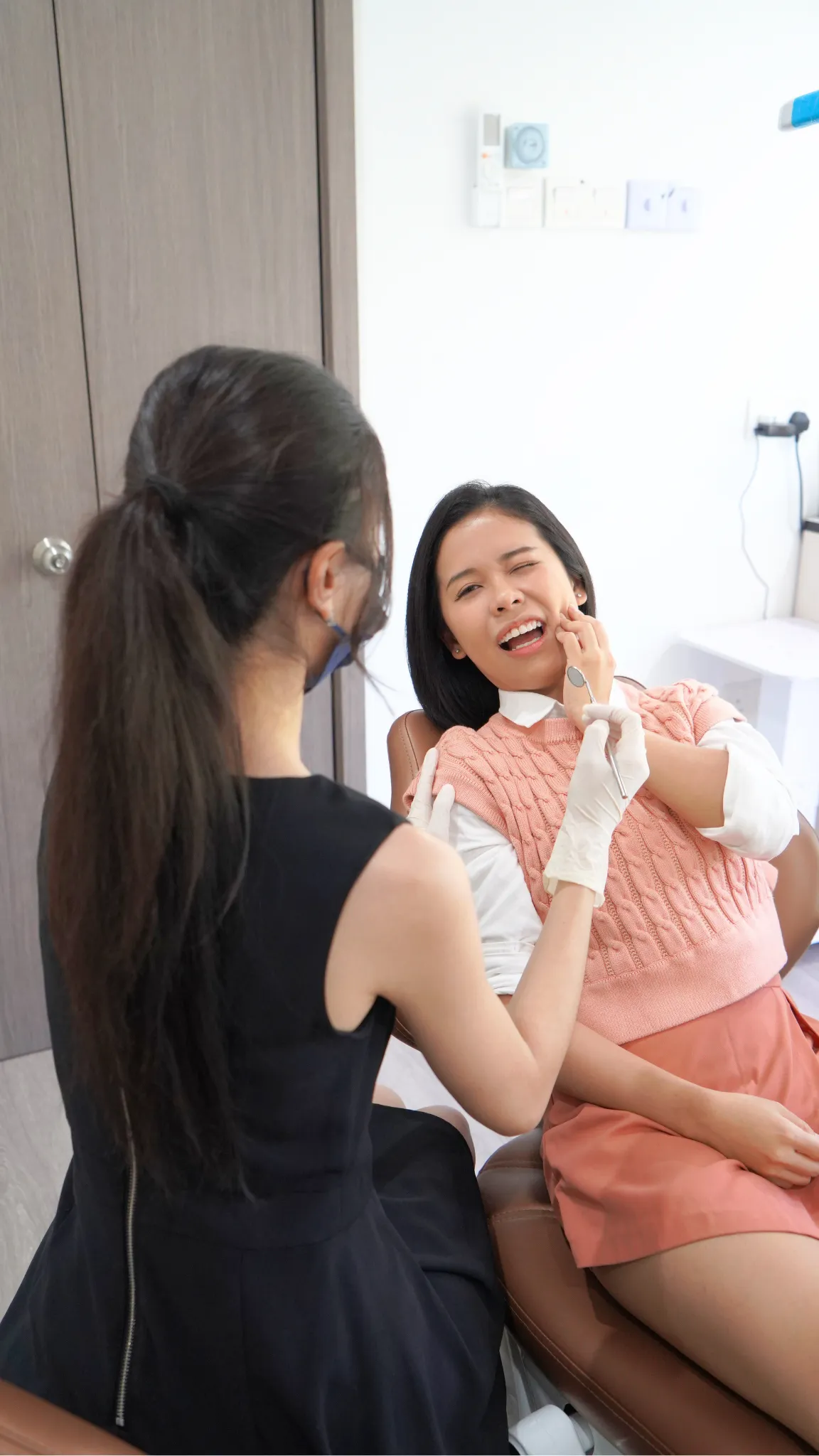
Under local anaesthesia. Most people are back to desk work within a few days.
Stitches checked and the socket confirmed to be healing.
Not every wisdom tooth needs removal. The X-ray decides.
Not every option suits every patient. We confirm the right one at your examination and explain it before anything starts.
Explore the options. The plan is tailored to your case.
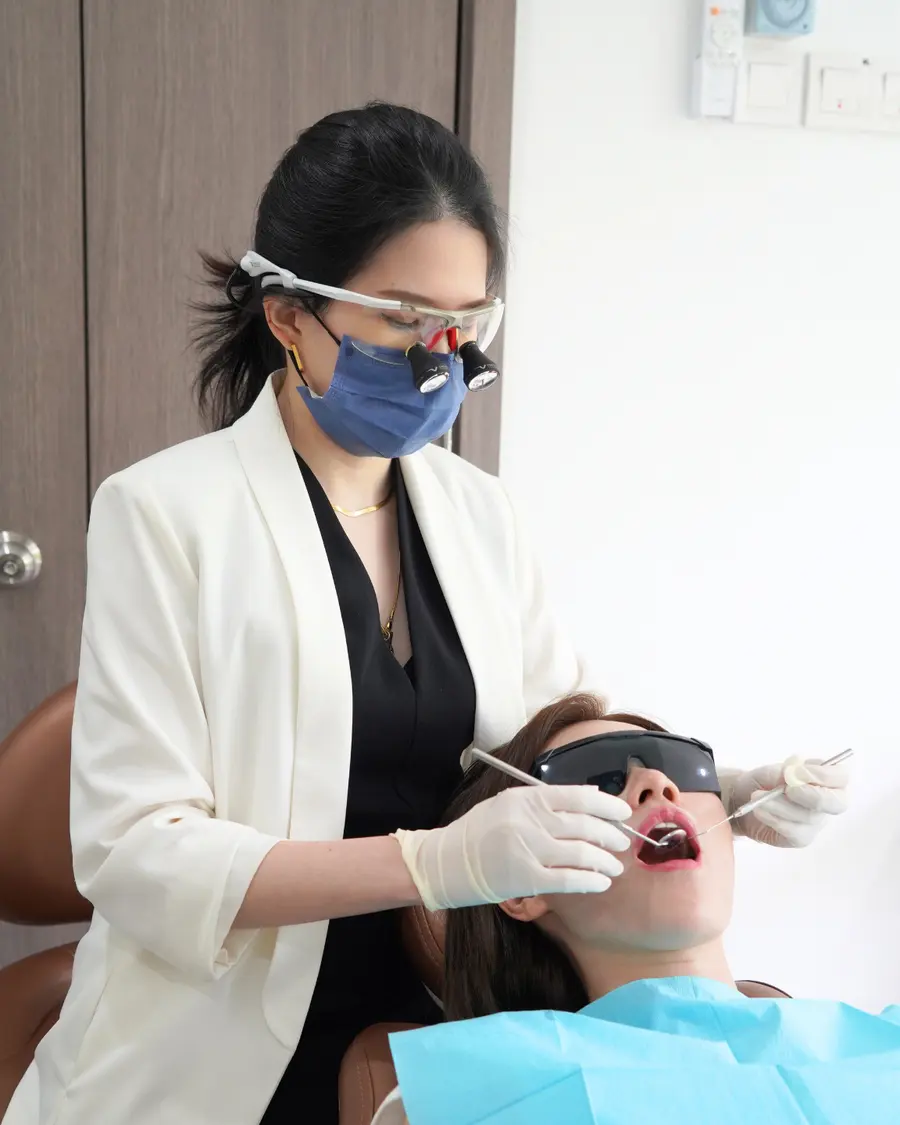
A thorough radiographic assessment to accurately determine the exact angle, position, and potential impact of erupting third molars.
A straightforward procedure designed to comfortably remove erupted wisdom teeth.
A surgical approach to safely extract wisdom teeth constrained beneath the dense jawbone or gumline.
What happens at each stage.
Twenty to sixty minutes under local anaesthesia, with a review at about a week. Most people are back at desk work within two to three days.
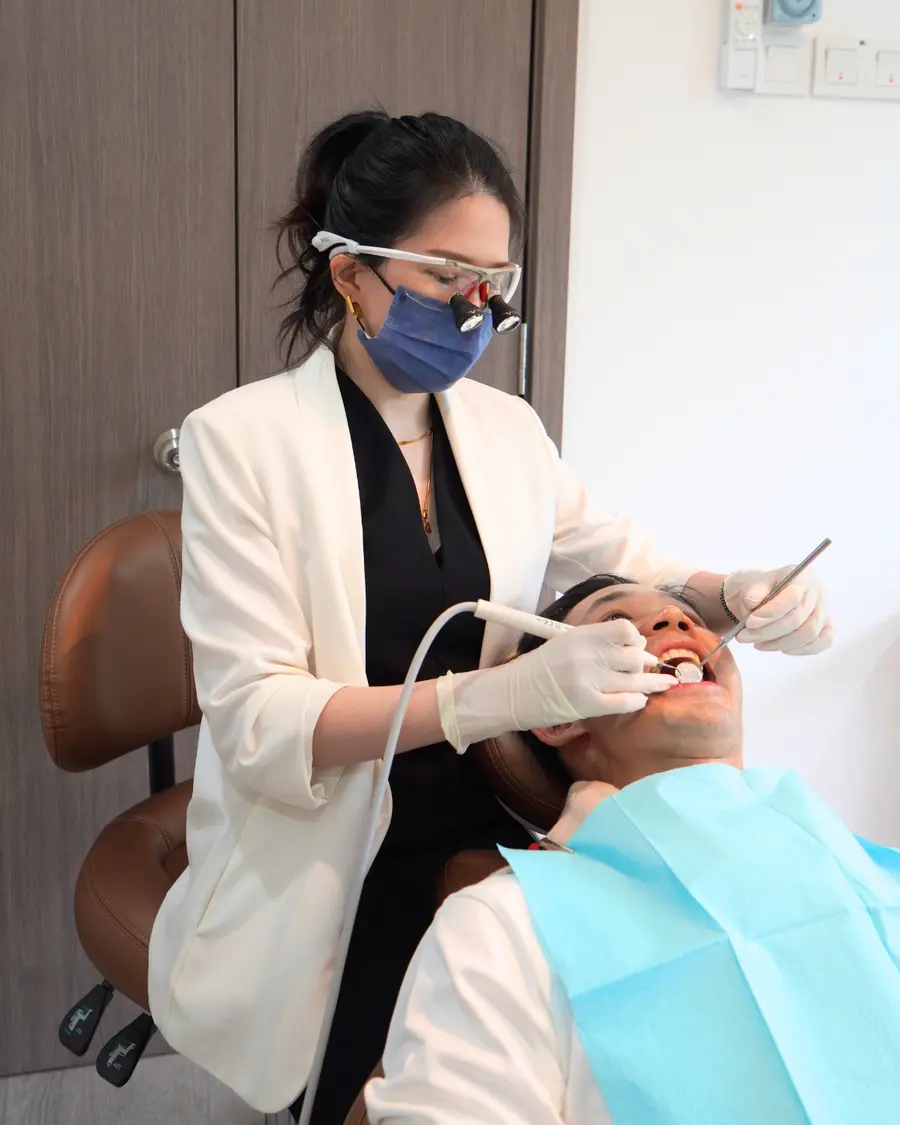
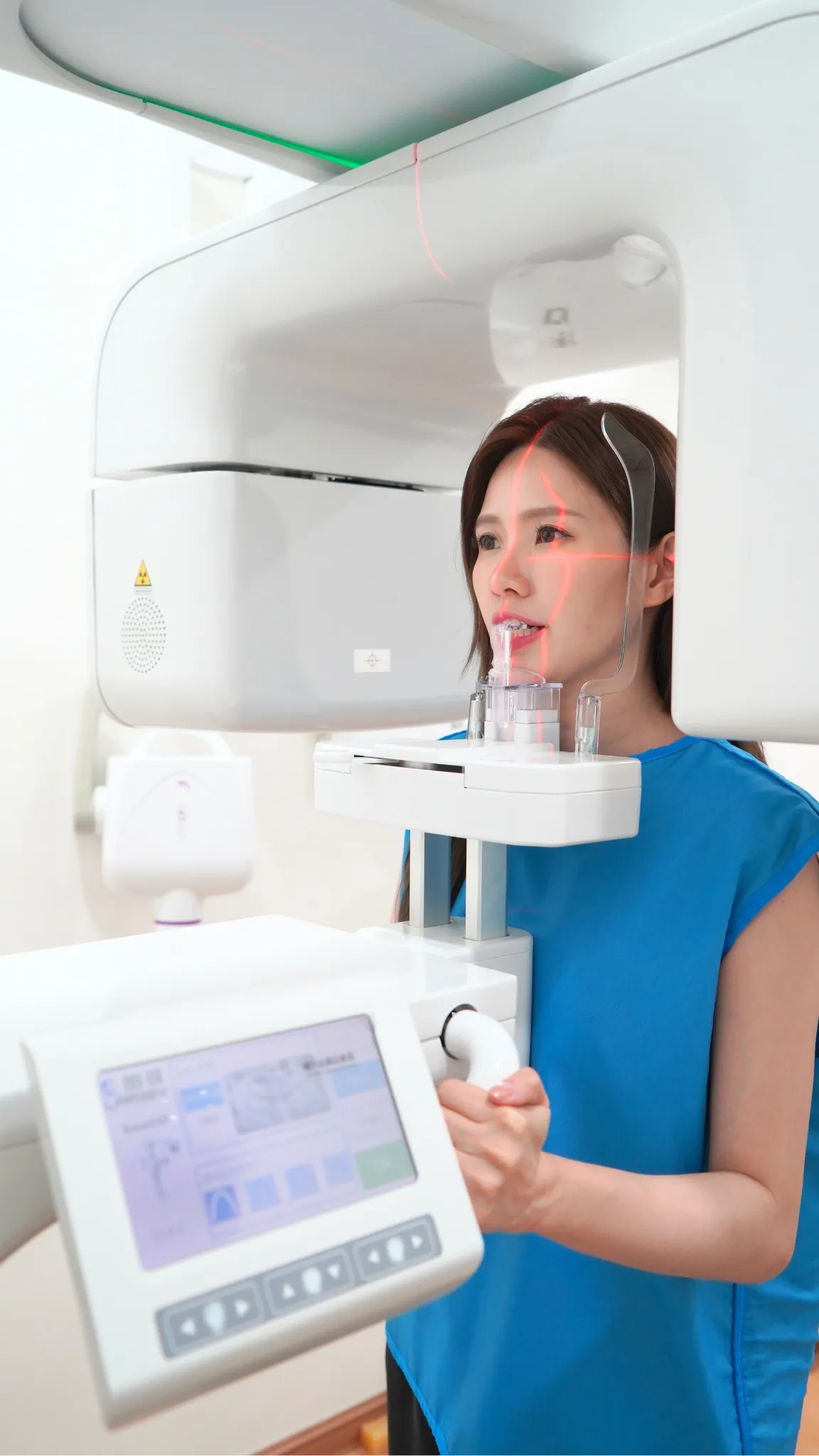
An OPG shows the position of the tooth and its roots. A CBCT scan is taken when a lower root lies close to the nerve.
The procedure, the risks specific to your tooth and the aftercare are explained before the procedure.
The area is numbed. Numbness usually lasts two to four hours after the procedure.
An erupted tooth is removed like any other. For an impacted tooth the gum is lifted, a little bone may be removed and the tooth may be divided so it comes out with less force. The site is closed with stitches. The procedure takes 20 to 60 minutes.
A check after about a week to remove stitches if needed and confirm the socket is healing.
Where the roots sit against the nerve canal on the OPG, a CBCT is taken before we proceed, so the true relationship is known in three dimensions rather than estimated from a flat image that overlaps everything.
The practical things patients ask about.
Bite on the gauze for the first hour and then leave the clot alone. Cold compresses twenty minutes on and twenty off. No smoking, straws, spitting or rinsing. Take the painkillers before the anaesthetic wears off rather than after.
This is the peak. Swelling of the cheek, a stiff jaw that will not open fully, and sometimes bruising that tracks down the neck. All three are normal and all three are on their way out from here.
Swelling recedes and the jaw loosens. Stitches dissolve or come out at the review. Pain that is climbing rather than falling from day three is the pattern of a dry socket.
The gum closes over. A shallow dip where the tooth was is normal for a few months while the bone fills in underneath.
Call us if pain increases after the third day, if bleeding has not settled with firm pressure, if you cannot open your mouth at all, if numbness in the lip, chin or tongue is still there after the anaesthetic should have worn off, or if you develop a fever with spreading swelling.
Fees are quoted per case. These factors move the figure.
Simple removal of an erupted tooth versus surgical removal of an impacted one, and how deeply it is impacted.
The number of wisdom teeth removed and whether they are done in one visit or two.
A CBCT scan when the roots lie close to the nerve.
Medication and follow-up.

The fee is confirmed after the X-ray and examination as a written quote before the procedure. Payment plans are available.
Book a consultation or message us on WhatsApp. We explain your options and give a written plan before any treatment begins.
Not every wisdom tooth needs to come out. The X-ray decides which of the three applies, and a tooth that is causing no trouble and can be cleaned is often best left where it is.
| Simple removal | Surgical removal | Keep and monitor | |
|---|---|---|---|
| The tooth is | Fully through and reachable with instruments | Impacted, partly through, or angled into the tooth in front | Fully through, in a functional position, and cleanable |
| What is involved | The tooth is eased out whole | A gum flap is raised, a little bone may be removed and the tooth is divided into sections | Nothing. It is checked at your routine visits and on periodic X-rays |
| Typical time | 10 to 20 minutes | 20 to 60 minutes | Not applicable |
| Recovery | Sore for two to three days | Swelling and a stiff jaw for two to three days, soft diet for about a week | None |
| The reason to do it | Decay, repeated infection, or it is in the way of a plan | Repeated infection, decay in the tooth in front, a cyst, or damage to the neighbouring root | There is no problem to solve, and removal has its own risks |
| Best timing | Any age | Late teens to twenties, before the roots have fully formed and while healing is quickest | Reviewed rather than scheduled |
The single most useful thing to know is that difficulty is decided by the roots and the angle, not by the pain. A tooth that hurts a great deal can be a ten minute job and a tooth that has never hurt can be the difficult one.
Open a topic for the full explanation.
Removal is advised when a wisdom tooth is impacted or only partly through the gum and keeps getting infected. It is also advised when it or the tooth in front is decaying because the area cannot be cleaned, when it is damaging the neighbouring root, or when a cyst has formed around it. Wisdom teeth that have come through fully and can be cleaned are kept and monitored. Removal is generally easier in the late teens and twenties before the roots are fully formed, but can be done at any age.
The inferior alveolar nerve runs through the lower jaw in a bony canal and supplies feeling to the lip and chin on that side. Lower wisdom tooth roots often sit close to it and sometimes wrap around it. Disturbing it causes numbness or tingling of the lip and chin, which in most cases recovers over weeks to months and in a small number of cases does not fully return.
A panoramic OPG flattens everything into one plane, so it can show a root and the canal overlapping without telling you whether the root is in front of the canal, behind it or wrapped around it. Where the OPG shows the warning signs, we take a CBCT, because knowing the answer beforehand changes the technique. That is the whole reason the scan exists on this page rather than being an upsell.
A dry socket is the loss of the blood clot before the gum has healed over, leaving bone exposed. It is the most common complication of a lower wisdom tooth removal, it is not an infection, and it announces itself on day three or four with a deep ache radiating to the ear that painkillers barely touch. It is treated by cleaning and dressing the socket, and the relief is usually immediate.
Smoking is the largest modifiable risk factor by a wide margin, both from the suction and from what the smoke does to healing tissue. Seventy two hours is the figure we ask for because that is roughly how long the clot needs to become stable. Straws, spitting and vigorous rinsing on the first day work the same way.

V Dental Clinic in SS2, Petaling Jaya provides wisdom teeth removal with clear explanations, careful planning and follow-up at every step.
A detailed treatment plan and fee breakdown before treatment begins.
Strict sterilisation and hygiene protocols for every visit.
755+ Google reviews from our patients. Read them on Google.
Conveniently located in SS2, Petaling Jaya.
Before and after cases treated at our clinic, and what patients say on Google.
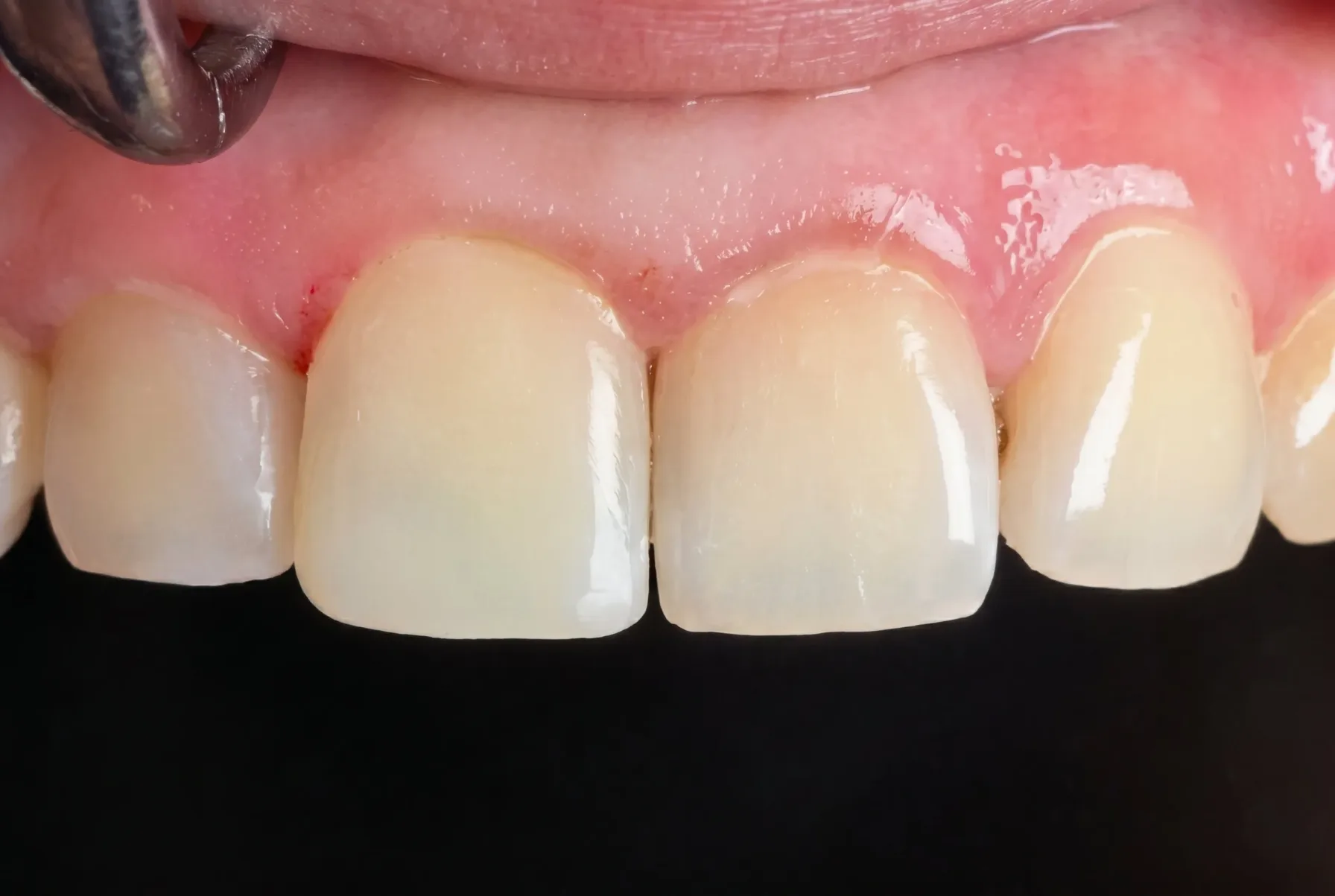
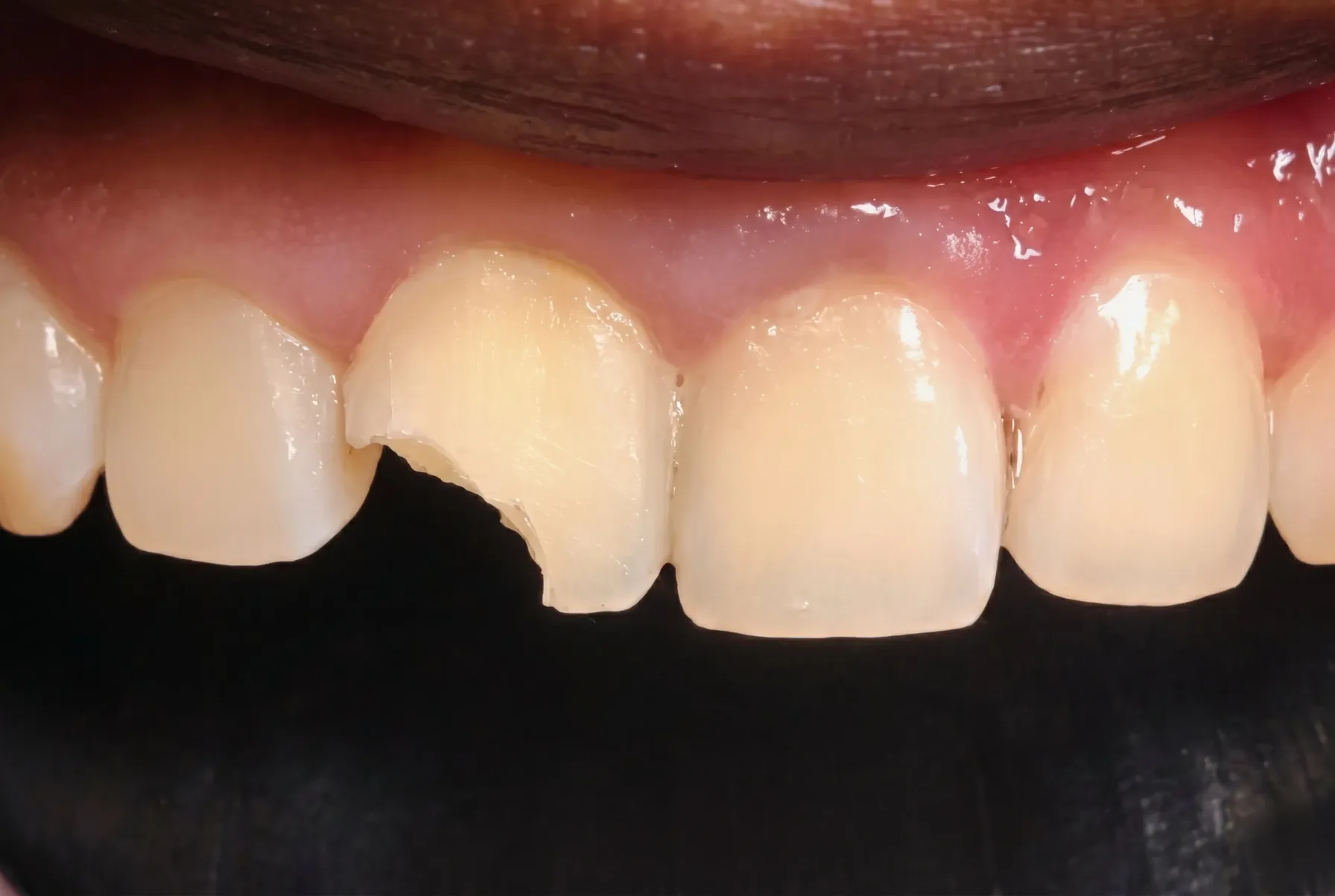
Restoring huge chipped tooth with aesthetic filling.
out of 5 on Google
Based on 755+ reviews
Adnan
July 2026
Thank you,Dr Koh, for the excellent dental implant treatment.The whole process was well explained,smooth and comfortable.Im very pleased with the results and would definitely recommend this clinic to others
View on GoogleSummer Lee
June 2026
The doctor was very good, patient, and professional. I went for braces treatment and had a great experience. The doctor explained everything clearly and made me feel comfortable throughout the consultation. Highly recommended!
View on GoogleNick Koay Han Yann
June 2026
Recommended by one of my relatives, Dr Koh is very friendly and informative. Did my scaling and filling. No issue, had a good experience.
View on GoogleEverything you need to know about this treatment.
No. Wisdom teeth that have come through fully, can be cleaned and are not causing problems can be kept and monitored. Removal is advised when a tooth is impacted, repeatedly infected, decayed, damaging the tooth in front, or associated with a cyst.
A wisdom tooth that cannot come through properly because there is no room, so it stays buried in the bone or pushes through at an angle. A partly erupted tooth traps food under the gum flap and causes repeated painful infections called pericoronitis.
A wisdom tooth that has come through fully is removed like any other tooth. Surgery is needed when the tooth is impacted, which means the gum is opened, a small amount of bone may be removed, and the tooth is often divided into sections so it comes out with less force. The X-ray shows which of the two applies before we start. Both are done under local anaesthesia.
Swelling peaks on the second or third day and settles over a week. Most people manage with a soft diet and painkillers for three to five days and return to normal activities within a week. Full healing of the socket takes a few weeks.
The area is numbed with local anaesthesia, so you should feel pressure rather than pain. Discomfort afterwards is managed with the prescribed medication and usually eases after three days.
Dry socket, infection, jaw stiffness and bruising, and, for lower wisdom teeth close to the nerve, tingling or numbness of the lip, chin or tongue. This is usually temporary and settles over weeks to months, but in a small number of cases it can be long-lasting. A CBCT scan is taken when the roots lie near the nerve so the procedure can be planned to reduce that risk.
Soft and cool food for the first two days, such as porridge, yoghurt, soup that is not hot, and mashed vegetables, then gradually firmer food. Avoid straws, smoking and hot or spicy food while the socket heals.
Between the late teens and mid twenties, when the roots are not fully formed and the bone is less dense, which makes removal simpler and recovery quicker. Wisdom teeth can still be removed at any age when they cause problems.
Treatments that commonly come up alongside this one, either as an alternative or as the step before or after.
Walk-ins are welcome, but an appointment keeps your waiting time short.
Opening hours
Mon to Sat: 9:00 AM to 9:00 PM (MYT)
Sun: 9:00 AM to 6:00 PM (MYT)