Nick Koay Han Yann
June 2026
Recommended by one of my relatives, Dr Koh is very friendly and informative. Did my scaling and filling. No issue, had a good experience.
View on Google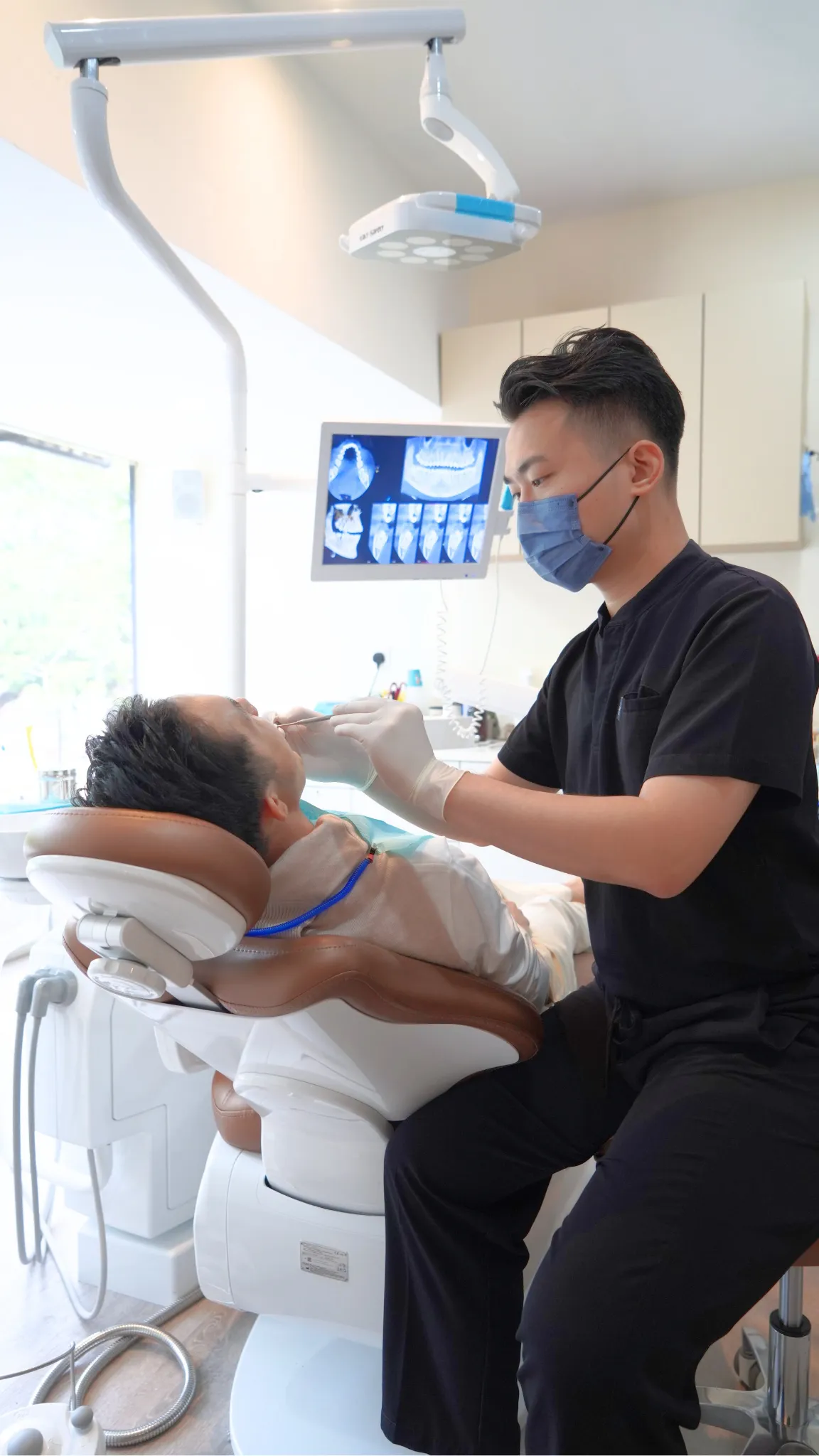
Check-ups, scaling and polishing, fillings, inlays and onlays, root canal retreatment and gum care for the whole family in SS2.
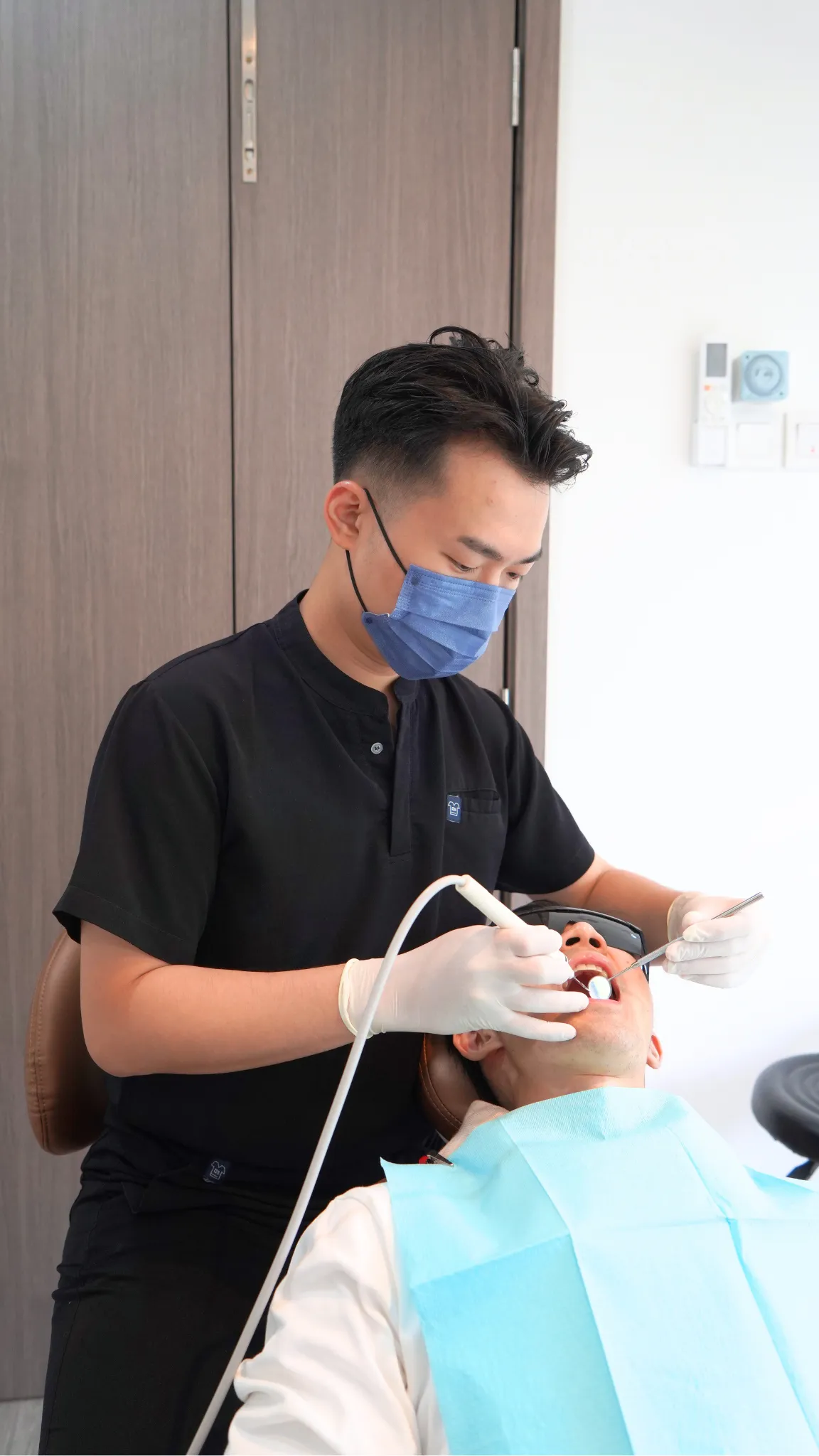
General dentistry is the routine care that keeps teeth and gums healthy and deals with common problems early: check-ups, scaling and polishing, fillings, inlays and onlays for larger cavities, root canal retreatment, and treatment for cracked teeth, receding gums, black triangles between teeth and mouth ulcers. Regular visits, usually every six months, let us catch decay and gum disease while they are small and simple to treat.
Check-up and scaling for most people, sooner if you have symptoms.
Taken when they change the diagnosis or the plan.
Findings are shown on the X-rays and treatment is prioritised with you.
Regular visits keep problems small. Symptoms mean come in sooner.
Not every option suits every patient. We confirm the right one at your examination and explain it before anything starts.
Explore the options. The plan is tailored to your case.
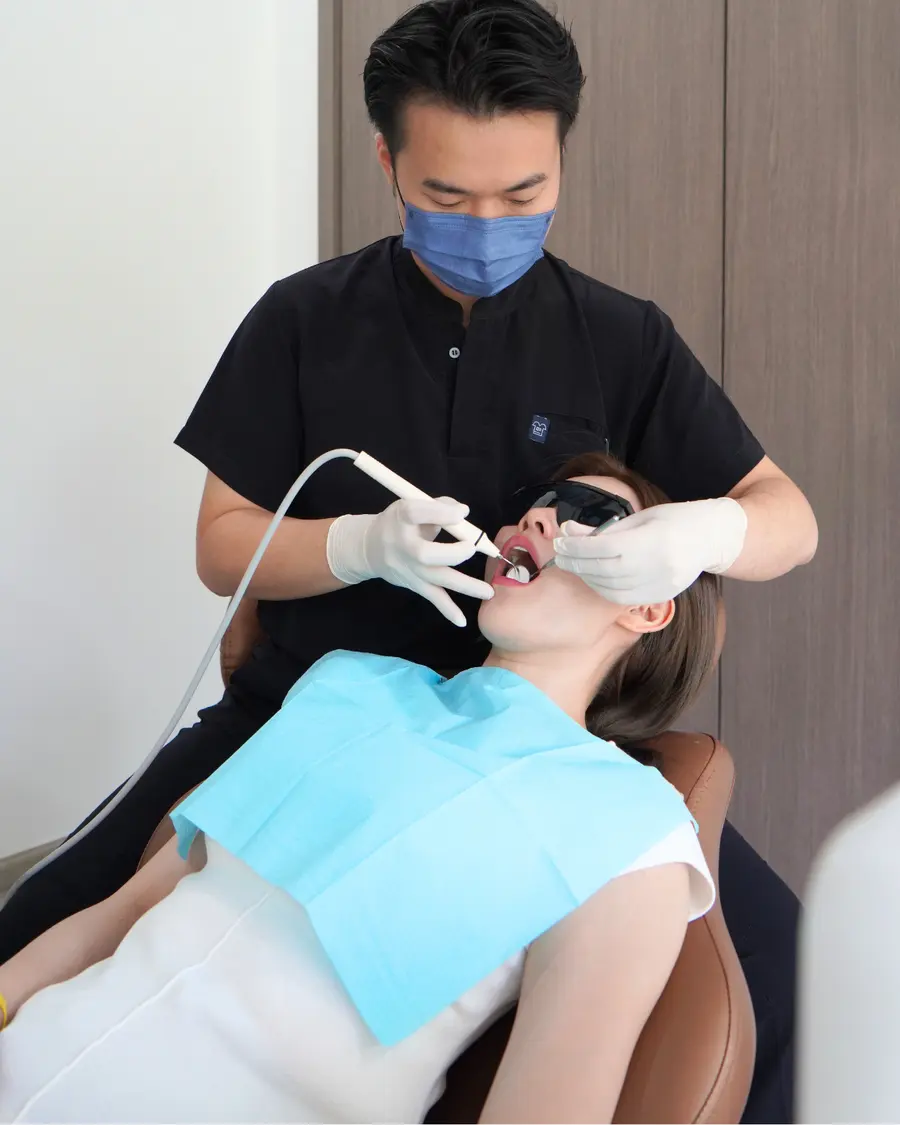
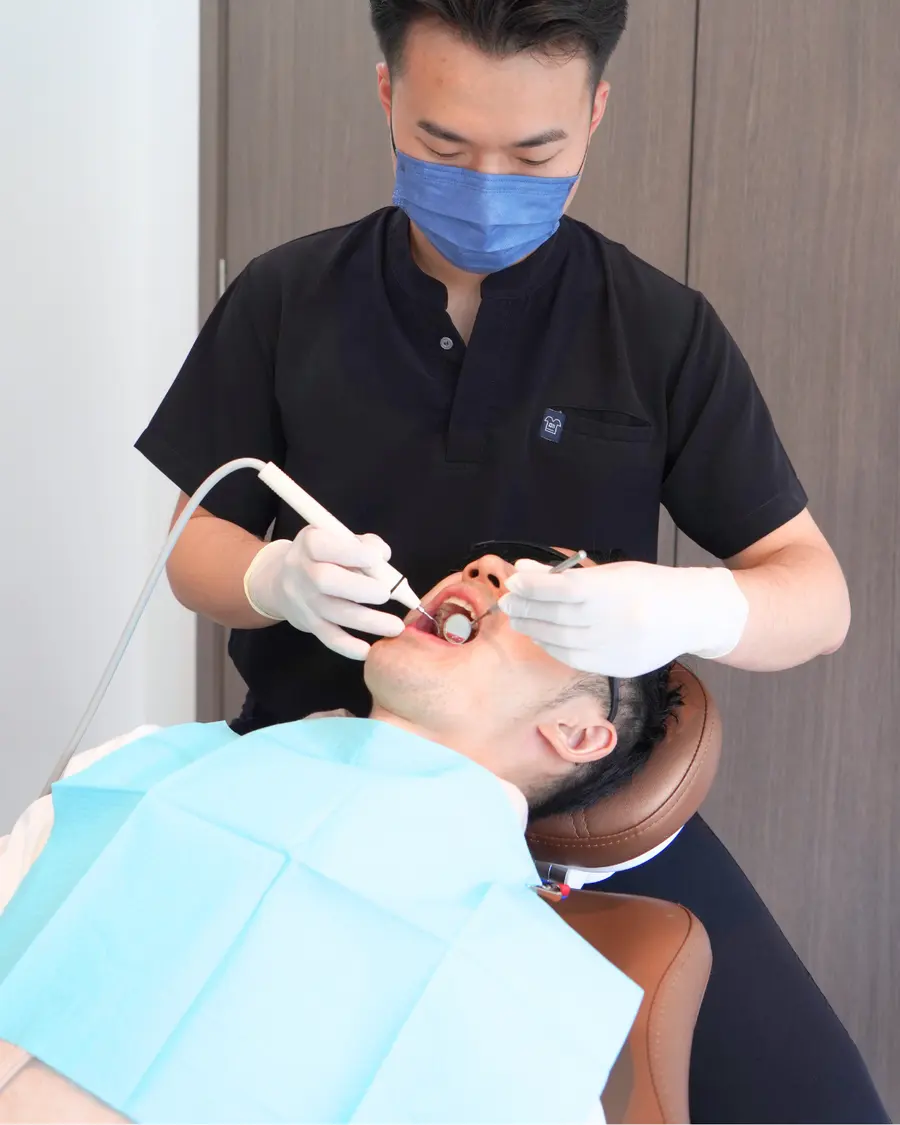
A full examination with X-rays only where needed, then plaque and tartar removed from the teeth and below the gum line.
Composite fillings for cavities and small chips, usually completed in one visit.
Durable, custom-made restorations that repair moderately damaged teeth while conserving your natural tooth structure.
An aesthetic approach to closing dark, open spaces between teeth near the gum line for a seamless, fuller smile.
Interventions to restore lost gum tissue, protect exposed roots, and reduce tooth sensitivity.
Prompt diagnosis and restorative care designed to halt the progression of fractures and save the compromised tooth.
Advanced endodontic care to clear new infections in previously treated teeth, renewing their health and longevity.
Soothing therapies and medications dedicated to rapidly healing painful mouth sores and restoring your daily comfort.
What happens at each stage.
A check-up with scaling takes about forty five minutes. A filling is one visit. An inlay, onlay or crown is two visits with a temporary in between.
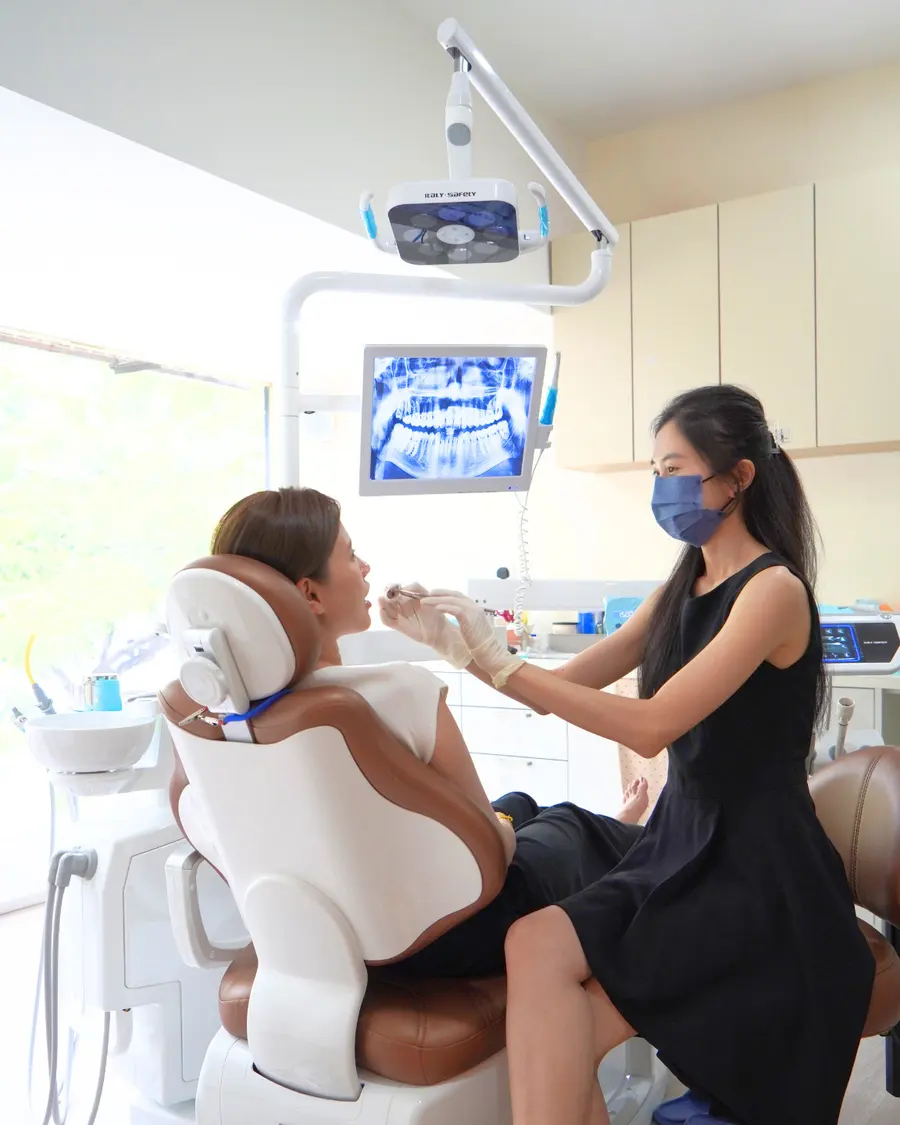
Teeth, gums, bite and soft tissues are checked, with X-rays only where they change the diagnosis.
Plaque and tartar are removed from the teeth and below the gum line, then the teeth are polished.
Any findings are explained with the X-rays, and treatment is prioritised: fillings, inlays or onlays, crack protection, gum treatment or root canal retreatment.
Fillings are usually completed in one visit. Inlays, onlays and retreatment take two or more.
The next check-up interval is set according to your risk.
X-rays are taken when they would change the diagnosis or the plan, not as a routine at every visit. Where you have recent images from another clinic, bring them or tell us where they are and we will ask for them rather than repeat them.
The practical things patients ask about.
Teeth, gums, bite, tongue, cheeks and the soft tissues are all examined, not only the tooth that is bothering you. Findings are shown to you on the screen rather than described at you.
Gums may be tender and bleed slightly for a day or two, and teeth can feel cold sensitive where tartar that was insulating the root has been removed. Both settle within about a week.
Numbness lasts two to four hours. Avoid chewing on that side until it wears off, because a numb lip and cheek are easy to bite without noticing. Mild cold sensitivity for a week or two is normal.
The bite is checked and adjusted at the visit while you are numb, which is why anything that still feels high once the anaesthetic wears off needs a quick adjustment rather than waiting to see if it settles.
Call us if a filling or crown feels high after the numbness has gone, if a temporary crown comes off, if pain wakes you at night, or if a tooth becomes painful to bite on. A mouth ulcer that has not healed in two weeks should be looked at rather than watched.
Fees are quoted per case. These factors move the figure.
The size and location of a cavity, and the material: composite filling or a laboratory-made inlay or onlay.
The number of teeth treated and the number of visits needed.
Whether X-rays, a crown after a large repair, or root canal retreatment are needed.
Gum treatment when scaling below the gum line under local anaesthesia is required.

Fees are explained after the examination and before treatment starts, with a written breakdown for anything beyond a routine visit.
Book a consultation or message us on WhatsApp. We explain your options and give a written plan before any treatment begins.
Once a cavity is beyond a simple filling there are three ways to rebuild the tooth, and the choice is made by how much sound tooth is left.
| Composite filling | Inlay or onlay | Crown | |
|---|---|---|---|
| How much tooth is left | Most of the tooth is still sound | A large cavity, or a cusp lost, with sound walls remaining | The tooth is heavily filled, cracked or root treated |
| Made where | Shaped directly in the mouth | Made in a laboratory from a scan or impression | Made in a laboratory from a scan or impression |
| Visits | One | Two, with a temporary in between | Two, with a temporary in between |
| How much it covers | The cavity only | The cavity plus one or more rebuilt cusps | The whole tooth |
| Sound tooth removed | Only the decay | The decay, plus a defined shape so the piece seats | The most of the three |
| Typical lifespan | Around five to ten years | Longer than a large filling in the same tooth | Around ten to fifteen years |
| Best for | Small to moderate cavities and chips | Large cavities where a crown would take away too much sound tooth | Cracked or weakened teeth, and teeth after root canal treatment |
A very large composite filling in a back tooth is the one to watch, because the more of the tooth it replaces the more likely the remaining wall is to fracture. Where that is the situation we will say so and give you the option rather than replacing the filling again and waiting for the crack.
Open a topic for the full explanation.
A check-up and scaling every six months suits most adults and children, with shorter intervals for people with gum disease or a history of decay. Come in sooner for sensitivity to hot or cold, bleeding gums, pain on biting, or a chipped or cracked tooth. Also come in for a lost filling, a mouth ulcer that has not healed in two weeks, or a root-treated tooth that has become tender again.
A root treated tooth that becomes tender to bite on, or that develops a small bubble on the gum beside it, usually means bacteria are still present in part of the root canal system. That can be a canal that was never found, a canal that was not sealed to the tip, a crack, or new decay that has let bacteria back in around a leaking filling or crown.
Retreatment means removing the existing crown or filling and the old root filling material, disinfecting the canal system again and resealing it. It takes longer than the original treatment and it has a lower success rate, but it keeps your own tooth. Where retreatment through the crown is not possible, an apicoectomy from the outside is the alternative, and where neither will work the tooth is removed and replaced. We show you the X-ray and explain which of the three your tooth is before you decide.
A sharp pain on releasing a bite rather than on making it, often on something hard or fibrous, and often on a heavily filled back tooth, is the classic pattern of a cracked cusp. The crack is frequently too fine to see on an X-ray, because an X-ray shows a crack only when the two halves have separated, which is late.
The reason this matters is that the outcome depends almost entirely on how early it is caught. A crack confined to the crown of the tooth is treated by covering the tooth so the cusps cannot flex apart, usually with an onlay or a crown. A crack that has reached the nerve needs root canal treatment as well. A crack that has run down into the root cannot be treated and the tooth comes out. Same tooth, three completely different outcomes, decided by timing.

V Dental Clinic in SS2, Petaling Jaya provides general dentistry with clear explanations, careful planning and follow-up at every step.
A detailed treatment plan and fee breakdown before treatment begins.
Strict sterilisation and hygiene protocols for every visit.
755+ Google reviews from our patients. Read them on Google.
Conveniently located in SS2, Petaling Jaya.
Before and after cases treated at our clinic, and what patients say on Google.
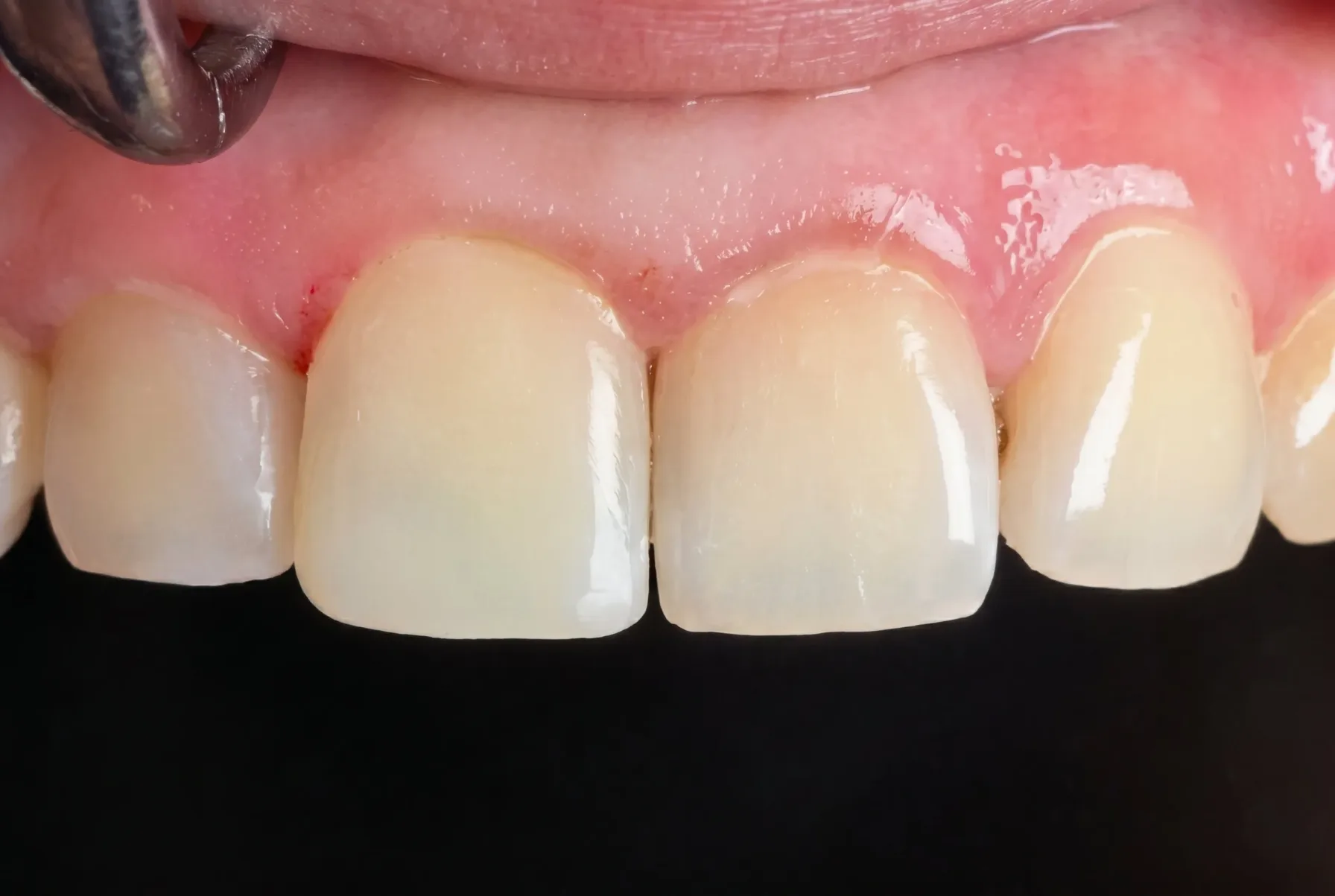
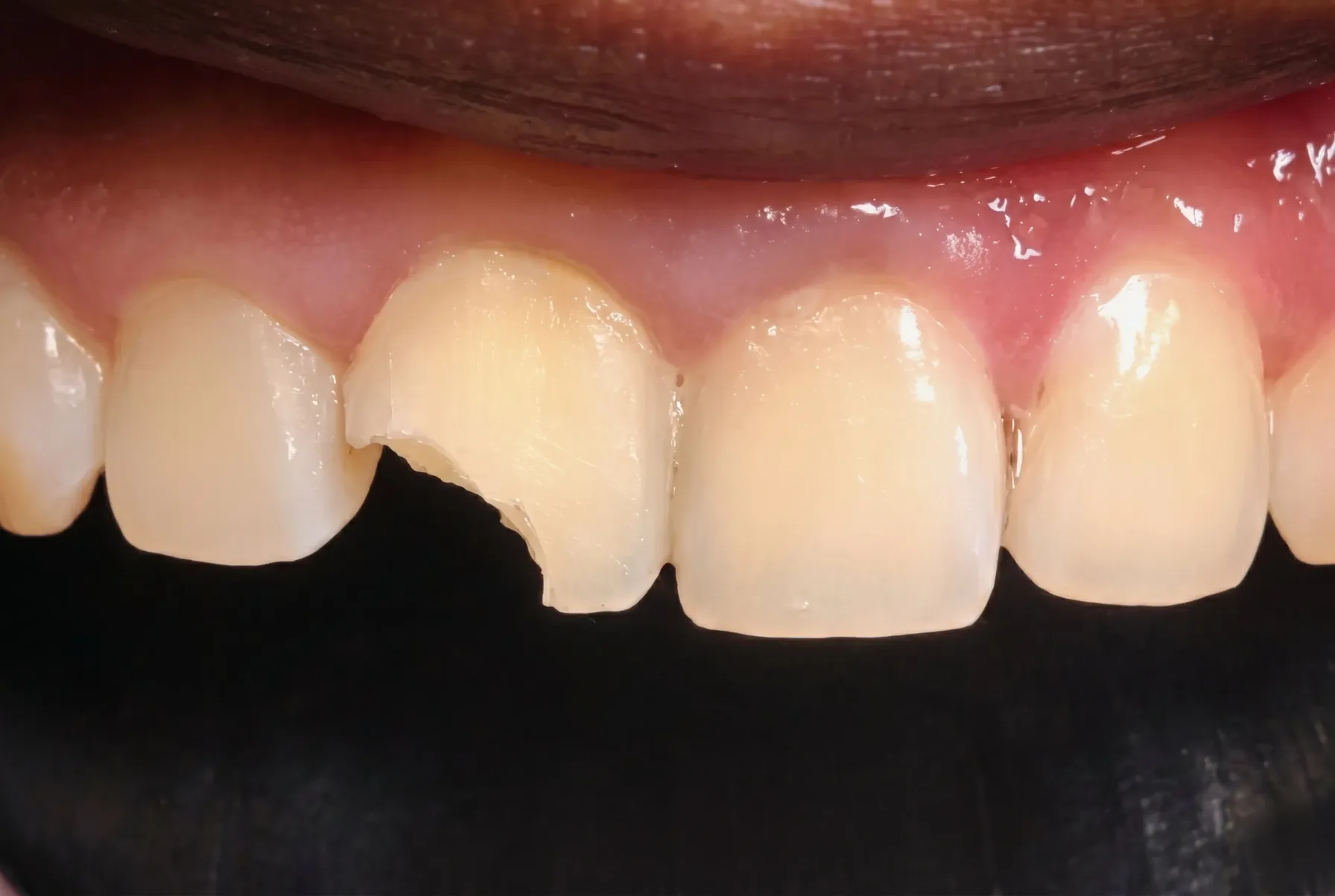
Restoring huge chipped tooth with aesthetic filling.
out of 5 on Google
Based on 755+ reviews
Nick Koay Han Yann
June 2026
Recommended by one of my relatives, Dr Koh is very friendly and informative. Did my scaling and filling. No issue, had a good experience.
View on GoogleSiaw Ching Tan
July 2026
I had a great experience with this dental clinic. The dentist was very professional, gentle, and made me feel comfortable throughout the entire treatment. She took the time to explain everything clearly and was very caring. The nurse was also incredibly friendly and welcoming, making the whole visit even more pleasant.
View on GoogleAdnan
July 2026
Thank you,Dr Koh, for the excellent dental implant treatment.The whole process was well explained,smooth and comfortable.Im very pleased with the results and would definitely recommend this clinic to others
View on GoogleEverything you need to know about this treatment.
Every six months for most people. If you have gum disease, a lot of tartar build-up, or a high risk of decay, we may recommend every three to four months. Regular visits let us find problems while they are small.
Scaling removes tartar and plaque from the teeth and below the gum line. It does not remove enamel. Teeth can feel sensitive for a day or two afterwards, especially where tartar had been covering exposed root surfaces. Local anaesthesia is available for deeper cleaning.
A filling is placed directly into a small or medium cavity in one visit. An inlay or onlay is made in the laboratory from ceramic or composite for larger cavities where a filling would be weak, and it is bonded in at a second visit. They protect more of the tooth than a large filling and last longer.
Retreatment is worth considering when a previously treated tooth becomes infected again and the tooth has enough sound structure to restore. It keeps your natural tooth. If the tooth is cracked or badly broken down, removal and replacement with an implant or bridge may be the better long-term choice. We explain both options with the X-rays.
Common causes are brushing too hard, gum disease, grinding, and thin gum tissue. Treatment starts with correcting the cause, then protecting the exposed root with a filling or a gum graft where needed. Receded gum does not grow back on its own, but further loss can usually be slowed or stopped.
A small dark gap near the gum between two teeth, usually after gum shrinkage or after braces align previously overlapping teeth. Options include reshaping the teeth, closing the space with composite bonding, or veneers. We explain what is realistic for your teeth.
Cracks spread under chewing forces. Early on, a crack causes sharp pain on biting and cold sensitivity and can be protected with an onlay or crown. If it reaches the nerve, root canal treatment is needed. If the tooth splits, it has to be removed. Treating it early keeps more options open.
Treatments that commonly come up alongside this one, either as an alternative or as the step before or after.
Walk-ins are welcome, but an appointment keeps your waiting time short.
Opening hours
Mon to Sat: 9:00 AM to 9:00 PM (MYT)
Sun: 9:00 AM to 6:00 PM (MYT)