halyziana
July 2026
Did scaling for my autistic son. His first time scaling. The dentist amd the staffs were very helpful, kind and thoughtful in handling him dealing with his first scaling experience.. tq soooo much
View on Google
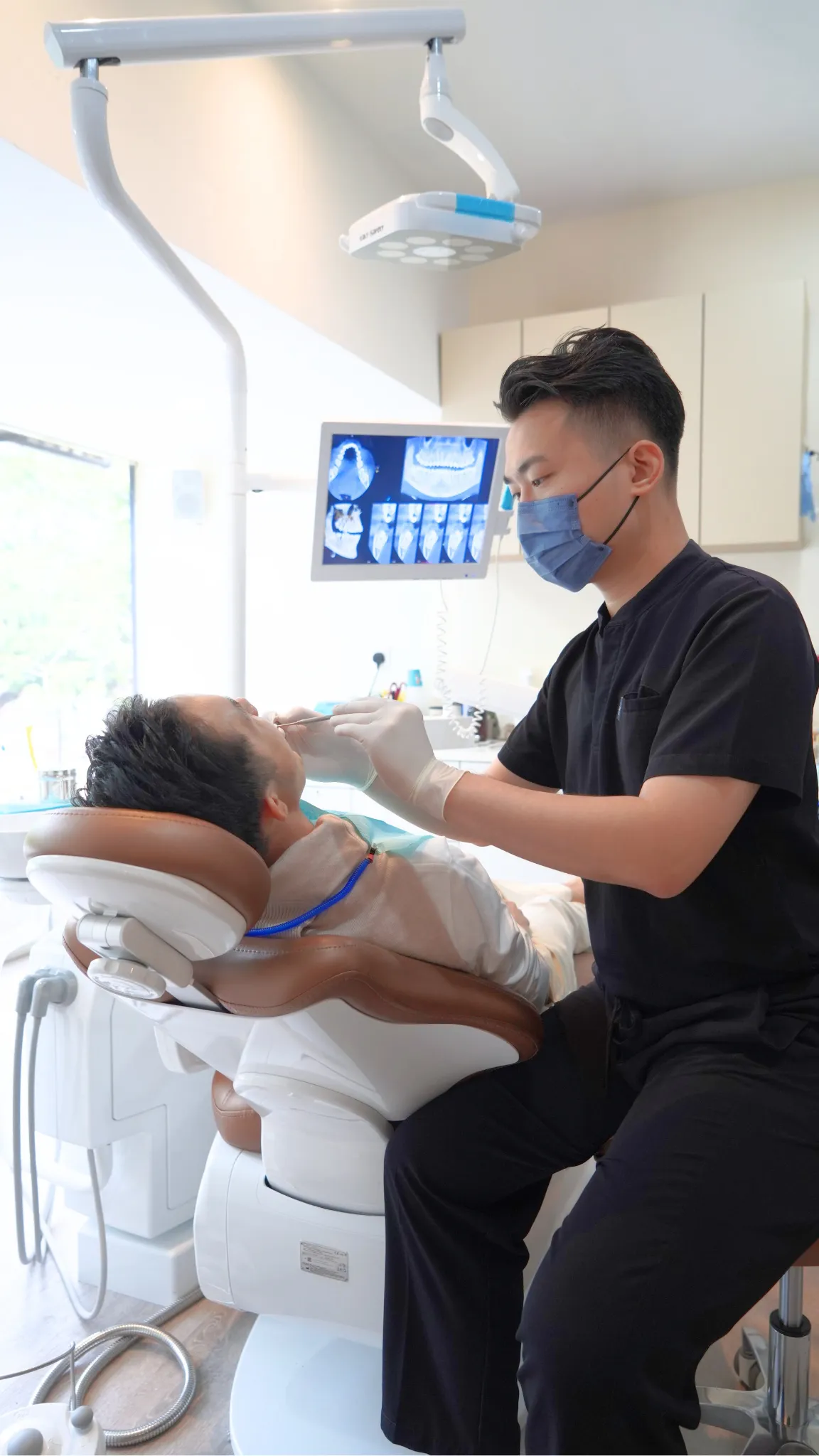
Gentle check-ups, sealants, fluoride, fillings, crowns, space maintainers and Myobrace for children in SS2, paced around each child.
Kids dentistry focuses on preventing problems while the teeth and jaws are developing and on making dental visits a comfortable routine. It includes check-ups from the first birthday, fissure sealants and fluoride treatment to prevent decay, fillings and crowns for damaged baby teeth, space maintainers when a baby tooth is lost early, and Myobrace appliances intended to correct habits such as mouth breathing and thumb sucking that can affect jaw development and tooth alignment. They suit some children and not others.
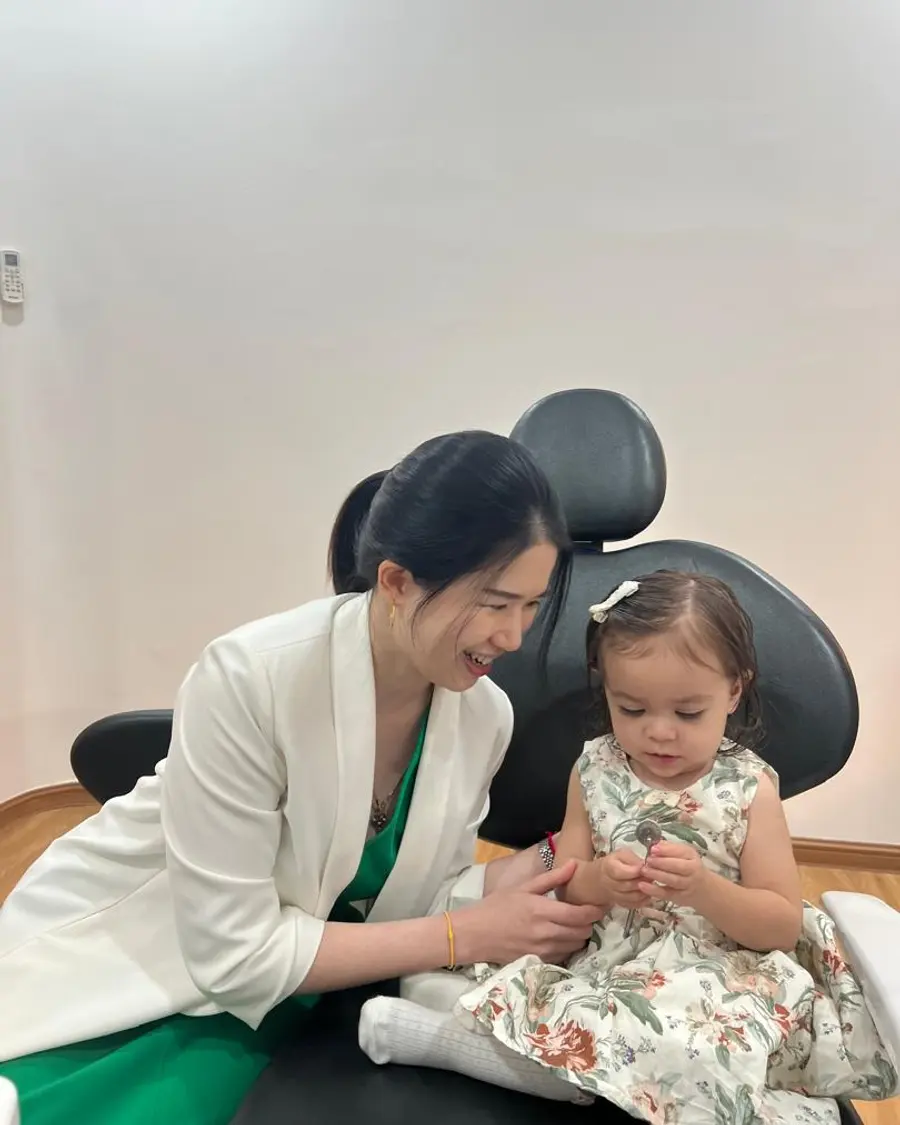
Or within six months of the first tooth.
Prevention that needs no drilling or injections.
Treatment is paced so children stay comfortable.
Early, regular visits make dental care a normal routine.
Not every option suits every patient. We confirm the right one at your examination and explain it before anything starts.
Explore the options. The plan is tailored to your case.
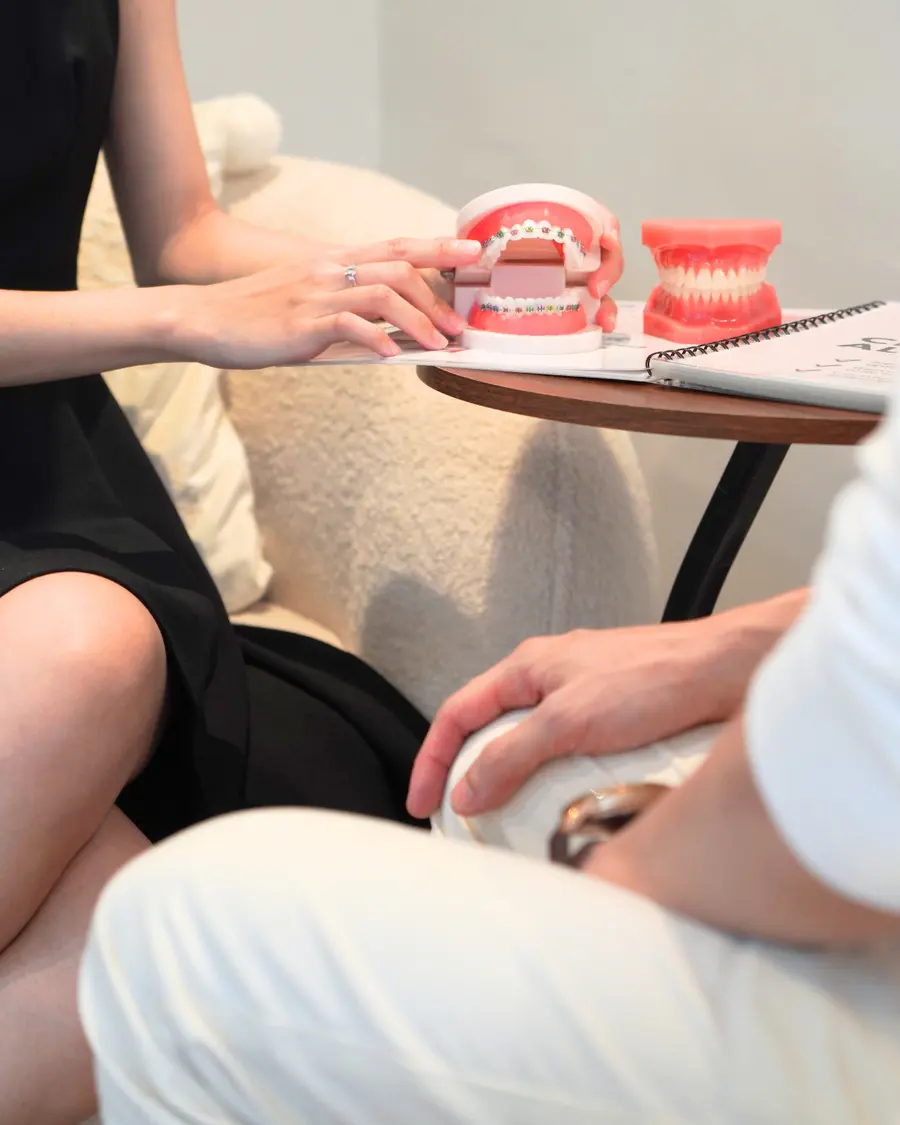
Fissure sealants are thin protective coatings applied to the grooves of the back teeth to help prevent cavities. They act as a barrier against food particles and bacteria, making it easier to keep teeth clean and healthy.
Fluoride treatment helps strengthen tooth enamel and protect teeth from decay. It is a quick and gentle preventive procedure that can reduce the risk of cavities and support overall oral health.
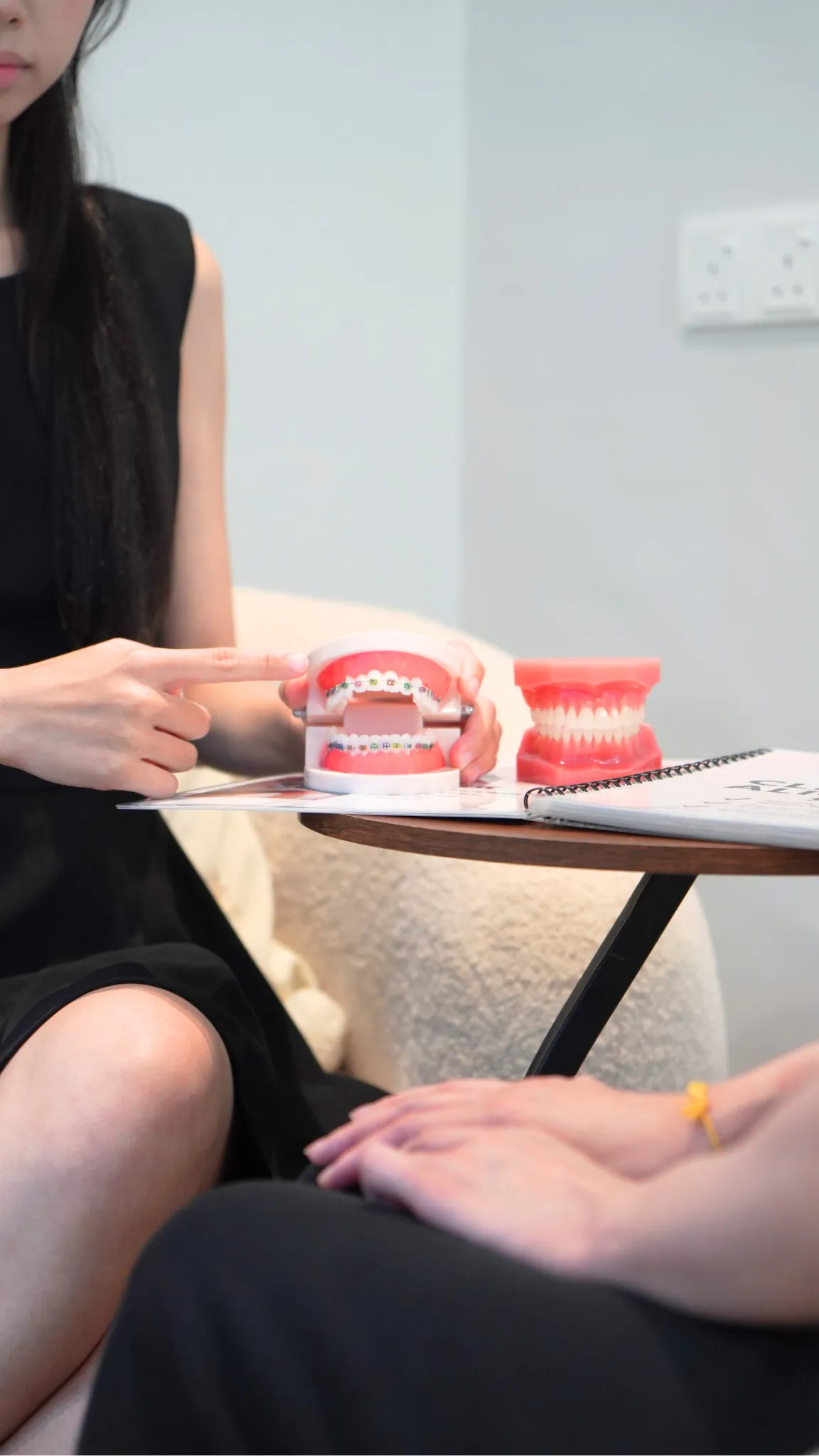
Myobrace is an early orthodontic treatment designed to correct poor oral habits, improve jaw development, and guide teeth into better alignment. It is commonly used in growing children as an early intervention to support healthy dental and facial development.
Stainless steel crowns and strip crowns are used to restore damaged or severely decayed teeth. Stainless steel crowns provide strong and durable protection for back teeth, while strip crowns offer a more natural-looking option for front teeth.
Space maintainers are dental appliances used to hold space for permanent teeth when a baby tooth is lost too early. They help guide proper tooth eruption and prevent nearby teeth from shifting out of position.
What happens at each stage.
A first visit by the first birthday, then a check-up every six months. Fissure sealants at about six and again at about twelve, as each set of adult molars comes through.
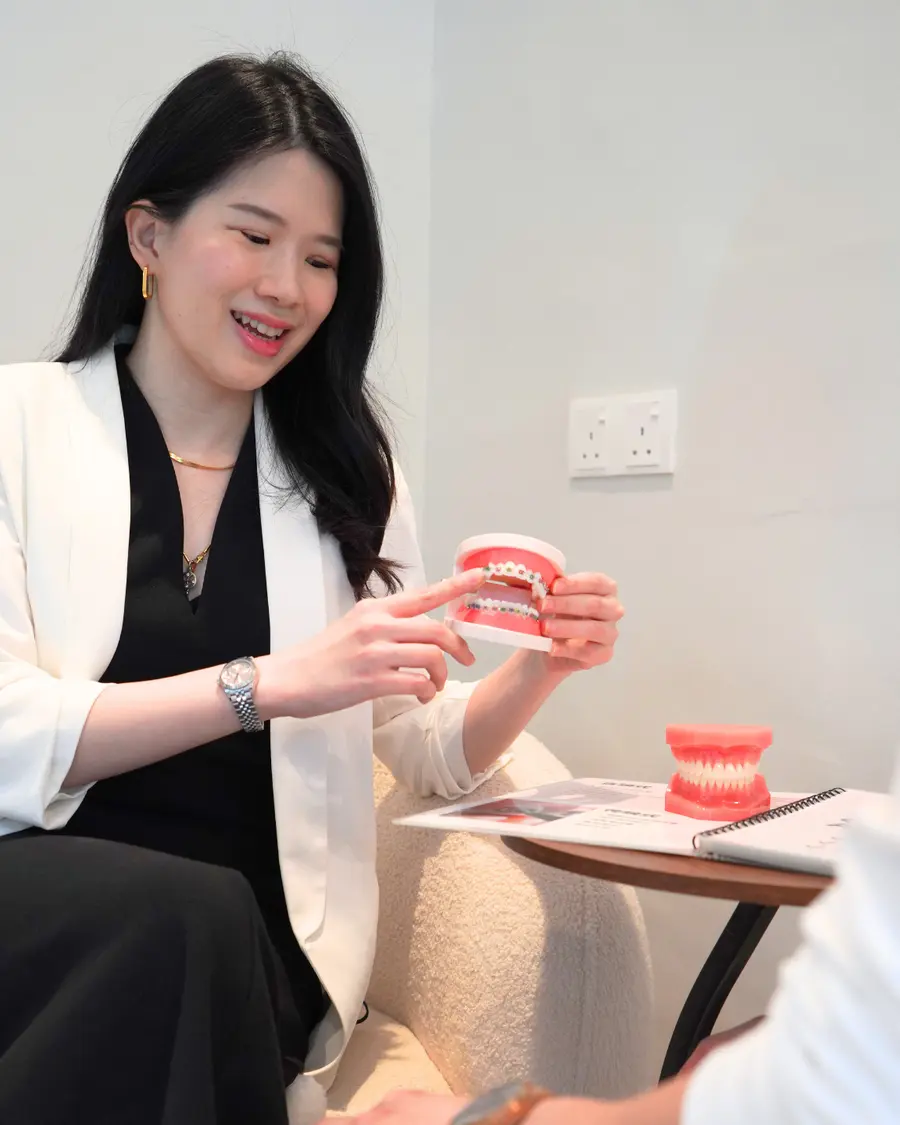
The first visit is short: a ride in the chair, counting teeth, and a look at how brushing is going, with a parent in the room.
Teeth, gums and bite are checked, with X-rays only when something cannot be seen directly.
Cleaning, fluoride varnish and fissure sealants take a few minutes each and need no injections.
Fillings, stainless steel or strip crowns and space maintainers are done in visits kept short enough for the child to manage.
Tooth eruption and jaw development are tracked so that habits and alignment problems are picked up early.
A first visit for a young child is a ride in the chair, a count of the teeth and a look in the mirror. Nothing more, on purpose. The aim of that visit is that the child wants to come back, because that is what makes every visit after it possible.
The practical things patients ask about.
Short and unhurried. The child sits with a parent if they want to, the teeth are counted, and we show them the mirror and the little water squirter before anything goes near them. If they are not ready, we stop and try again next time.
We explain each step in words a child understands before it happens, and we stop when they raise a hand. Sealants and fluoride need no injection and no drilling at all, which is why prevention is where we would rather spend the visits.
The numbness lasts one to two hours and is the part children find strangest. Watch that they do not chew or suck the numb lip or cheek, because that is the one thing that reliably causes an injury afterwards. Soft food until it wears off.
Brush twice a day with a smear of fluoride toothpaste up to three and a pea-sized amount after that, and brush for them or after them until about seven or eight, because the manual skill takes that long to develop.
A knocked out adult tooth should be put back into the socket straight away and held there on the way to us. A knocked out baby tooth must not be put back, because pushing it back can damage the adult tooth developing above it. If you cannot tell which it is, bring the tooth in milk and let us decide.
Fees are quoted per case. These factors move the figure.
Fluoride varnish, sealants per tooth, or a Myobrace programme with its stages.
The number of teeth needing fillings or crowns, and whether a space maintainer is required.
X-rays where they are needed.
Whether treatment is spread over several short visits.

Fees are explained after the examination and before treatment. A written plan is provided for anything beyond a routine visit.
Book a consultation or message us on WhatsApp. We explain your options and give a written plan before any treatment begins.
Baby teeth hold the space for the adult teeth behind them, which is why we treat them rather than write them off as teeth that are going to fall out anyway.
| Filling | Stainless steel crown | Extraction with a space maintainer | |
|---|---|---|---|
| When it is used | A small to moderate cavity in a tooth with several years left in it | A large cavity, several surfaces affected, or the tooth has had nerve treatment | The tooth cannot be saved, or an abscess has formed |
| Visits | One | One, usually | One for the extraction, one for the appliance |
| How long it needs to last | Until the tooth is due out naturally | Until the tooth is due out naturally, which is why the crown is metal rather than tooth coloured | The appliance stays until the adult tooth arrives |
| Main risk | A large filling in a baby molar can fail and need redoing | Appearance, because it is silver and visible on a back tooth | The space closes if nothing holds it, and the adult tooth then has nowhere to come through |
| What decides it | How much sound tooth is left | How much sound tooth is left and how long the tooth has to survive | Whether the tooth is restorable at all |
The reason a back baby tooth is worth crowning rather than pulling is the space it occupies. Lose it early with nothing to hold the gap and the teeth either side drift into it, and the adult tooth underneath arrives to find no room, which turns a filling into a course of braces.
Open a topic for the full explanation.
Bring your child by the first birthday or within six months of the first tooth, then every six months. Fissure sealants are placed on the first permanent molars at about age six and the second molars at about twelve. Fluoride treatment is applied two to four times a year for children at higher risk of decay. Children with thumb sucking, mouth breathing or tongue habits between five and ten can be assessed for Myobrace. A baby tooth lost early may need a space maintainer, and nervous children are welcome. We plan visits around them.
Myobrace is a removable appliance worn for an hour or two during the day and overnight, intended to correct habits such as mouth breathing, tongue posture and thumb sucking while the jaws are still growing, in the hope of reducing how much orthodontic work is needed later. It suits a specific child: young enough that growth can still be influenced, with a habit that is genuinely driving the problem, and willing to wear it consistently.
It does not suit every child and it is not an alternative to braces for teeth that are already crowded. The evidence for this class of appliance is weaker than the evidence for conventional orthodontics, and the result depends almost entirely on wear, which is a lot to ask of a seven year old. We assess first and we will tell you if we think your child is not a candidate, because an appliance that is not worn achieves nothing and costs the same.

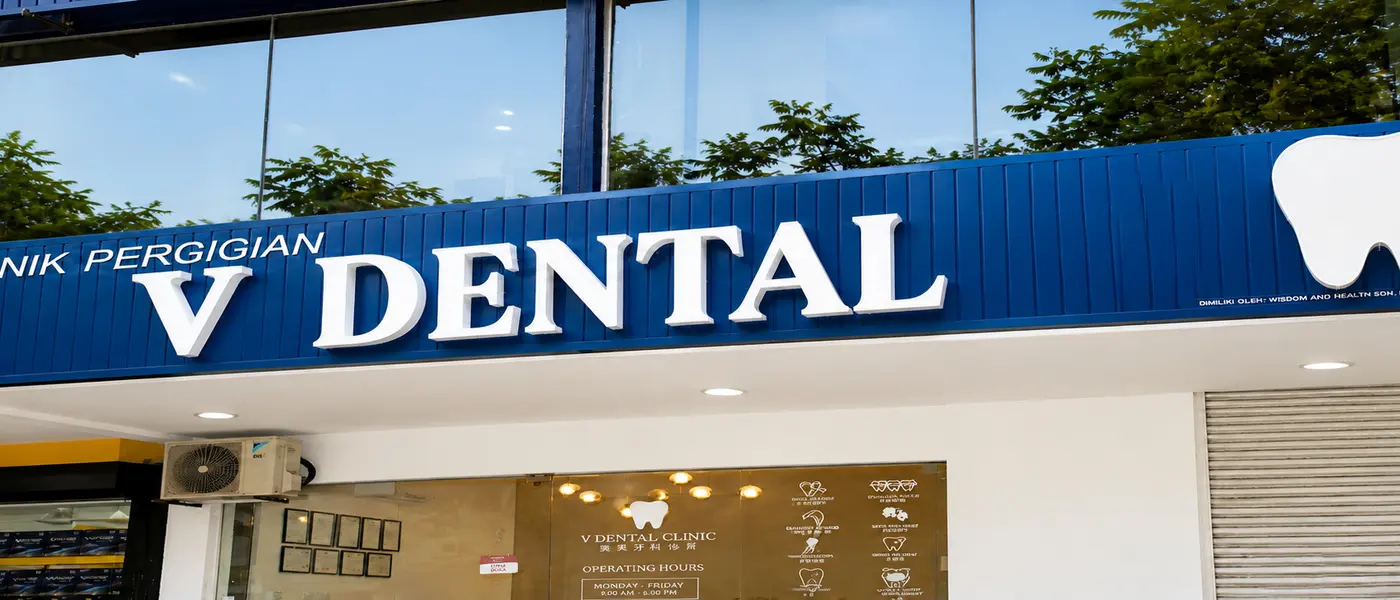
V Dental Clinic in SS2, Petaling Jaya provides kids dentistry with clear explanations, careful planning and follow-up at every step.
A detailed treatment plan and fee breakdown before treatment begins.
Strict sterilisation and hygiene protocols for every visit.
755+ Google reviews from our patients. Read them on Google.
Conveniently located in SS2, Petaling Jaya.
Before and after cases treated at our clinic, and what patients say on Google.
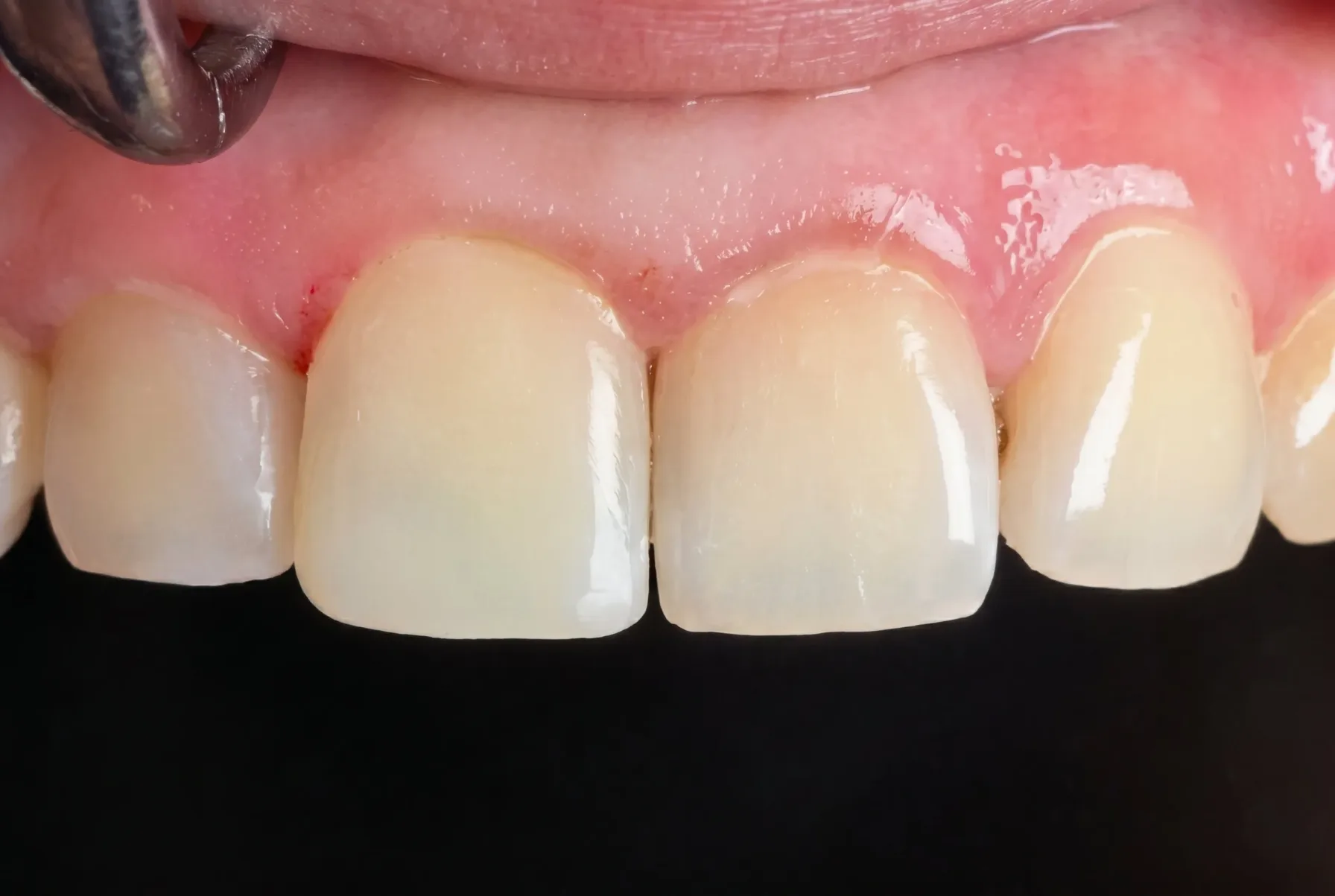
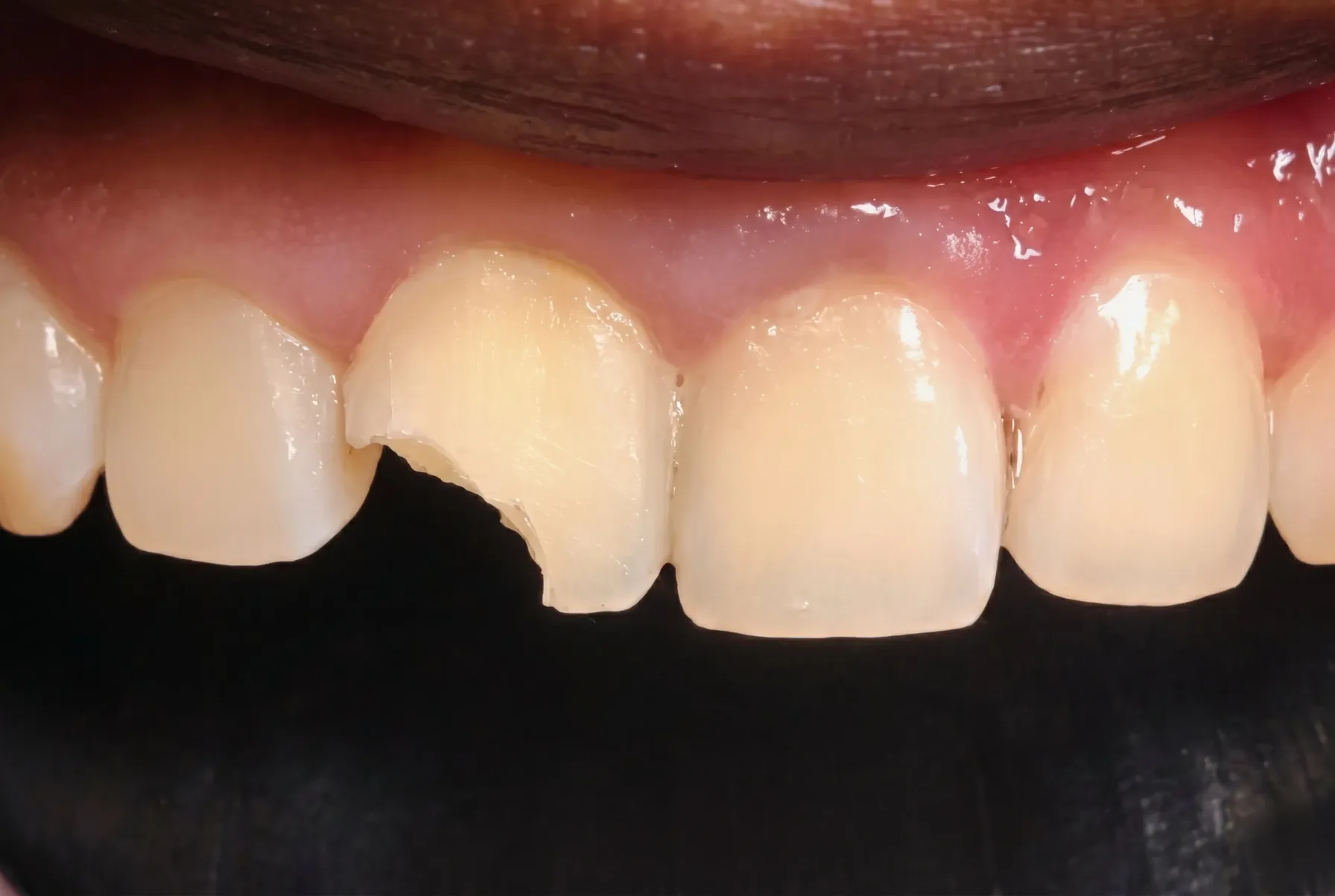
Restoring huge chipped tooth with aesthetic filling.
out of 5 on Google
Based on 755+ reviews
halyziana
July 2026
Did scaling for my autistic son. His first time scaling. The dentist amd the staffs were very helpful, kind and thoughtful in handling him dealing with his first scaling experience.. tq soooo much
View on GoogleAdnan
July 2026
Thank you,Dr Koh, for the excellent dental implant treatment.The whole process was well explained,smooth and comfortable.Im very pleased with the results and would definitely recommend this clinic to others
View on GoogleSummer Lee
June 2026
The doctor was very good, patient, and professional. I went for braces treatment and had a great experience. The doctor explained everything clearly and made me feel comfortable throughout the consultation. Highly recommended!
View on GoogleEverything you need to know about this treatment.
By the first birthday, or within six months of the first tooth appearing. The first visits are short and gentle, and they let us check development, discuss brushing and diet, and help your child get used to the clinic.
A thin protective coating painted into the grooves of the back teeth, where decay most often starts. They are usually applied to the first permanent molars at about age six and the second molars at about twelve. It involves no drilling or injections and takes a few minutes per tooth.
Yes at the doses used in the clinic. Fluoride varnish is applied to the teeth and strengthens the enamel against decay. Children at higher risk of decay benefit from applications two to four times a year.
A series of soft removable appliances worn for an hour during the day and overnight, usually between ages five and ten. It addresses habits such as mouth breathing, tongue posture and thumb sucking that affect jaw growth and tooth alignment. It suits some children and not others, so an assessment comes first.
Decayed baby teeth cause pain and infection, make eating and sleeping difficult, and can damage the adult tooth developing underneath. Baby molars also hold the space for the adult teeth until about age twelve, so losing them early can cause crowding.
A ready-made metal cap fitted over a baby molar that is too decayed or weak for a filling. It is fitted in one visit and comes out naturally with the baby tooth. For front teeth, a tooth-coloured strip crown is used instead.
Short visits, a tell-show-do approach where each step is explained and demonstrated first, a parent in the room, and stopping when the child needs a break. Treatment is planned in small steps so that trust builds before longer procedures.
Treatments that commonly come up alongside this one, either as an alternative or as the step before or after.
Walk-ins are welcome, but an appointment keeps your waiting time short.
Opening hours
Mon to Sat: 9:00 AM to 9:00 PM (MYT)
Sun: 9:00 AM to 6:00 PM (MYT)