Adnan
July 2026
Thank you,Dr Koh, for the excellent dental implant treatment.The whole process was well explained,smooth and comfortable.Im very pleased with the results and would definitely recommend this clinic to others
View on Google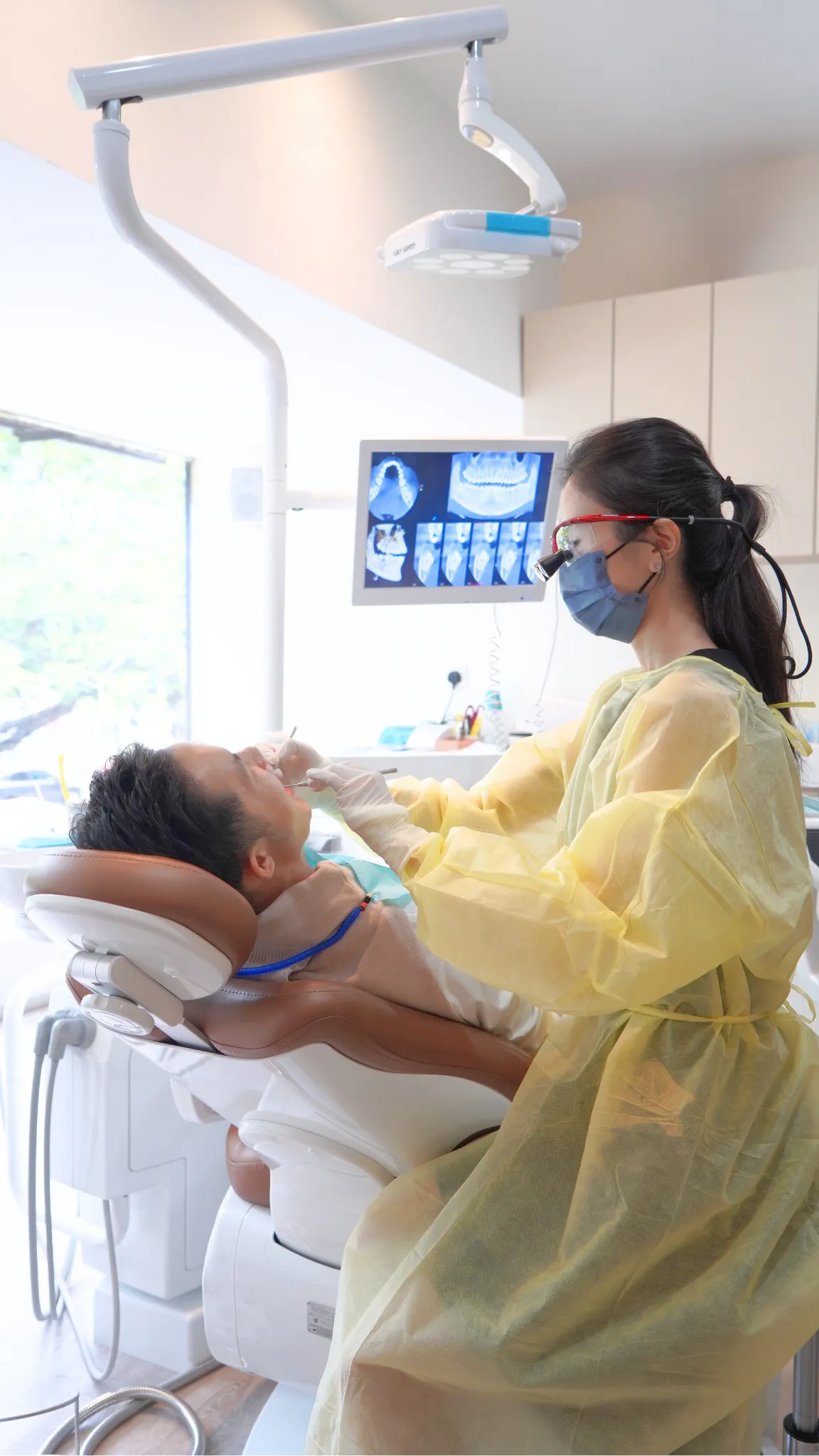
Extractions, frenectomy, soft tissue removal and apicoectomy under local anaesthesia in SS2, with your X-rays and medical history reviewed first.
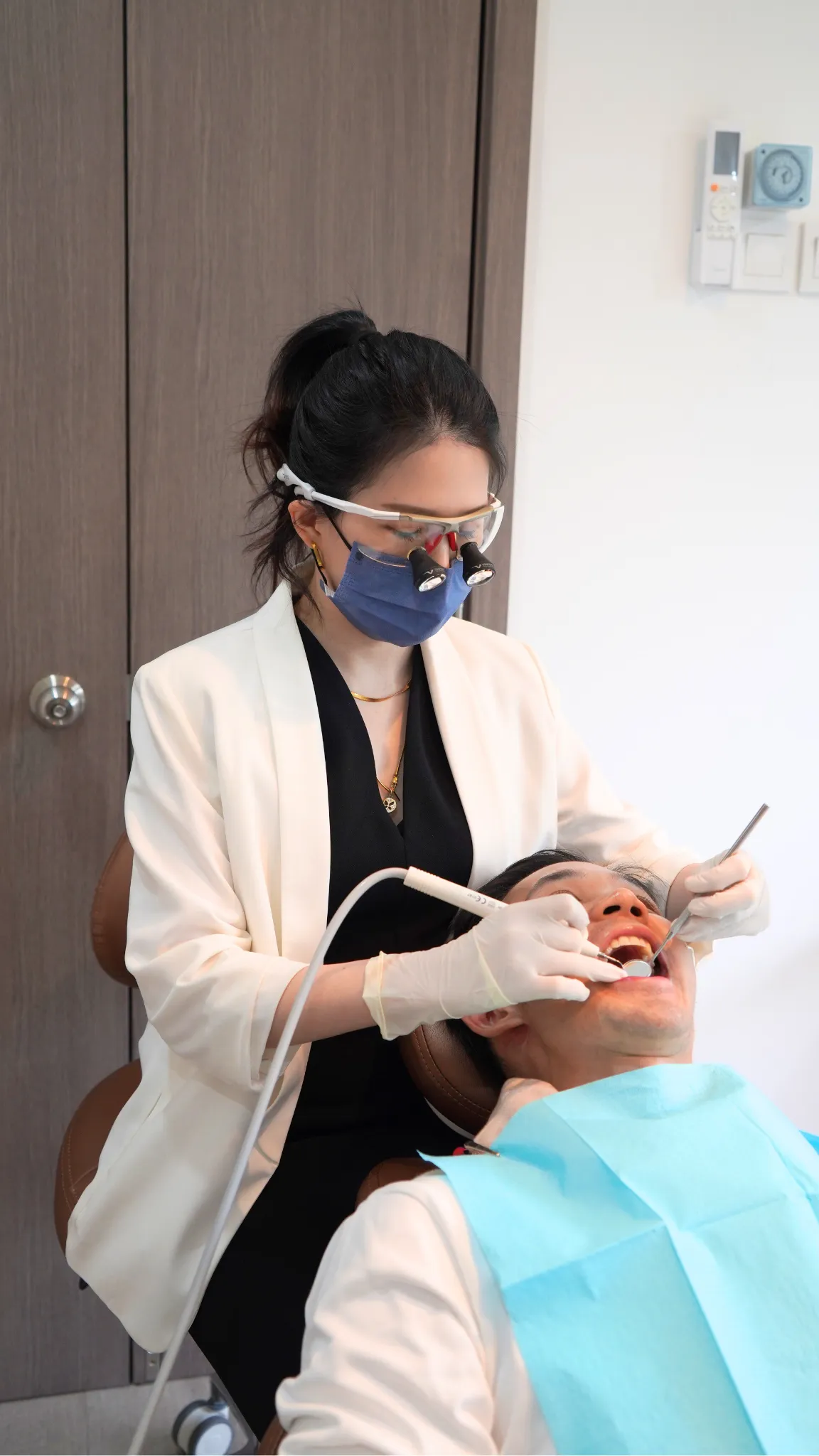
Oral surgery covers procedures on the teeth, gums and jaw that go beyond routine fillings and cleaning: removing teeth that cannot be saved, releasing a tight frenum (the fold of tissue under the tongue or lip), removing excess soft tissue, and apicoectomy, a small procedure at the tip of a root to save a tooth after root canal treatment. Most are done in the clinic under local anaesthesia in a single visit, with clear instructions for the days that follow.
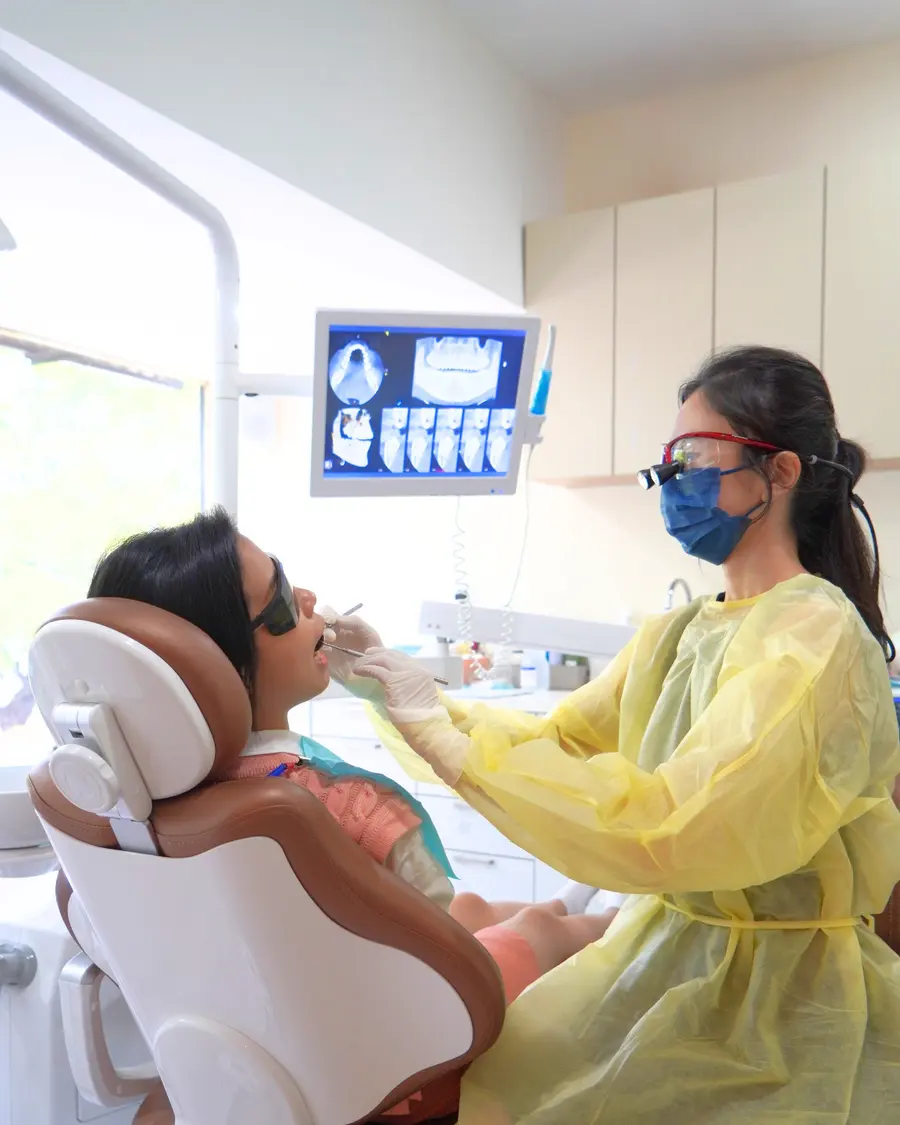
Most procedures are done in one visit under local anaesthesia.
Roots, nerves and sinuses are checked before any surgery.
You leave with instructions, medication and a review date.
Surgery is suggested only when a tooth or tissue cannot be treated another way.
Not every option suits every patient. We confirm the right one at your examination and explain it before anything starts.
Explore the options. The plan is tailored to your case.
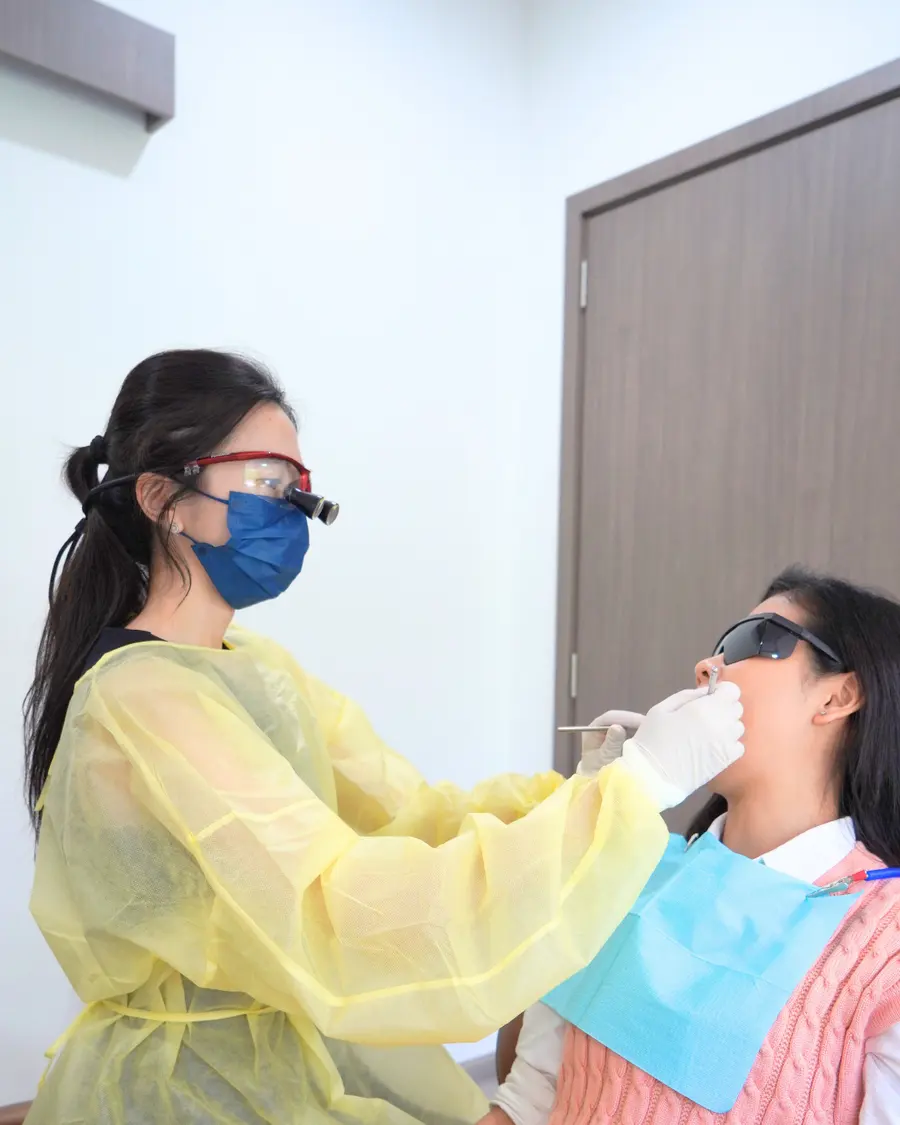
Removal of teeth that cannot be restored, from a straightforward extraction to a surgical one for a broken or partly buried tooth, under local anaesthesia.
Safe and precise excision of excess or problematic oral tissues to promote better health and comfort.
A quick, minimally invasive procedure to release restrictive connective tissues (frenum), improving mobility and function.
A microsurgical endodontic procedure aimed at saving a previously treated tooth by delicately removing the tip of its infected root.
What happens at each stage.
Most procedures take 15 to 60 minutes in a single visit. Stitches dissolve or come out at about a week, and the gum has closed over by three to four weeks.
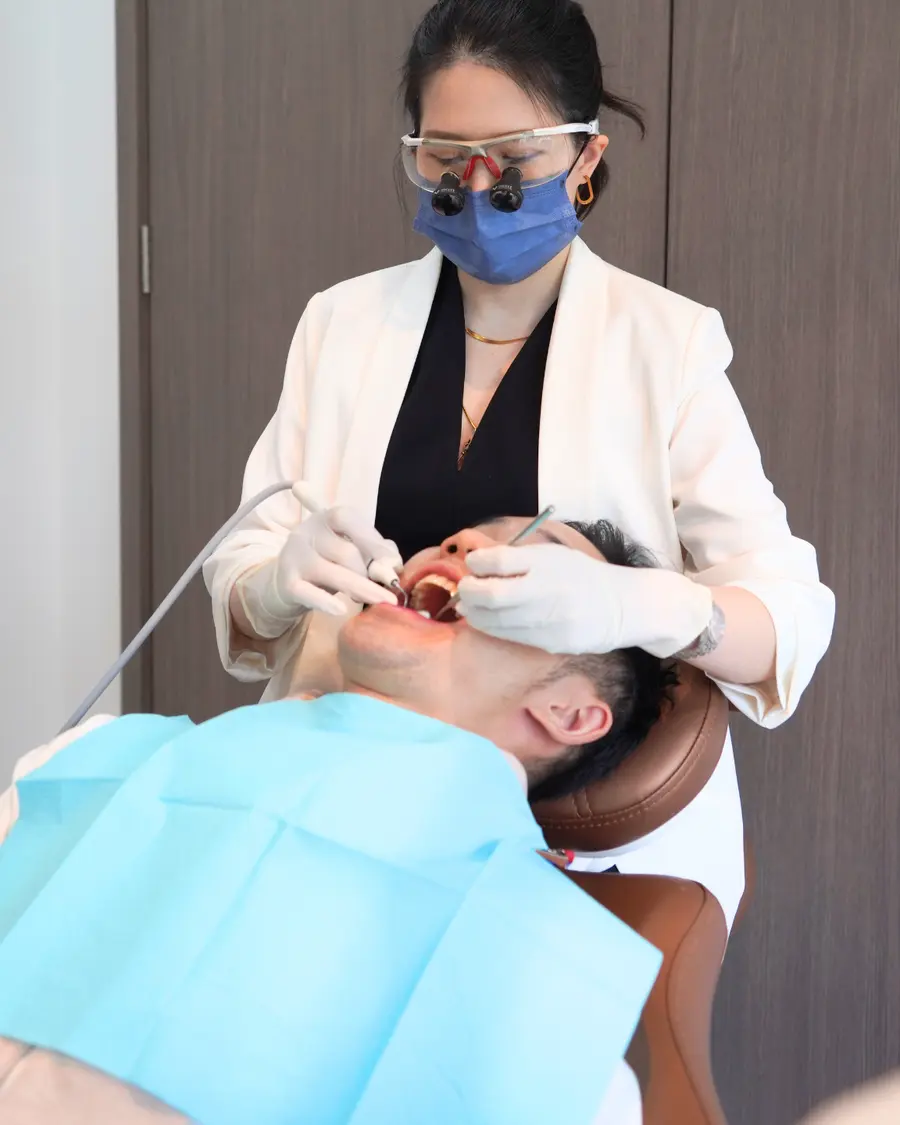
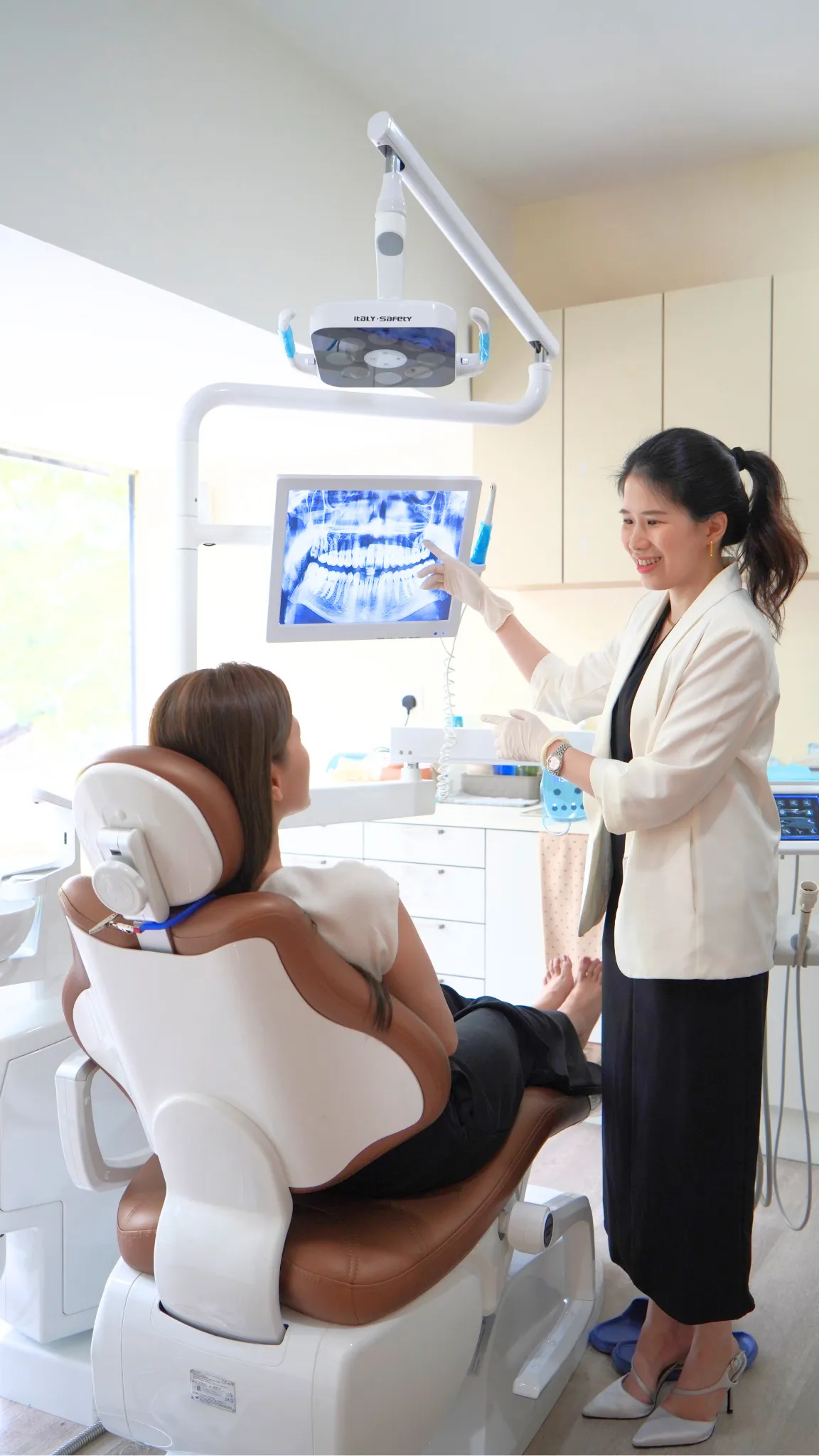
A periapical or OPG X-ray shows the roots and surrounding bone. A CBCT scan is taken when a root sits close to a nerve or the sinus.
The procedure, alternatives, risks and aftercare are explained and your questions answered before anything starts.
The area is numbed. Most procedures take 15 to 60 minutes depending on the tooth or site. You should feel pressure and movement rather than pain, and more anaesthetic is given if you feel anything sharp.
The site is closed with stitches where needed, and you leave with aftercare instructions and medication.
A check after about a week to remove stitches if needed and confirm healing.
Where a root sits against the nerve in the lower jaw or the sinus above, a CBCT scan is taken first, so the position is known before anything is lifted rather than discovered during the procedure.
The practical things patients ask about.
Bite firmly on the gauze for the first hour, then leave the clot alone. Some oozing is normal. No smoking, no straws, no spitting and no rinsing, because all four dislodge the clot the socket heals under. Cold compresses on and off help the swelling.
Swelling and jaw stiffness peak around now and then begin to settle. Gentle warm salt water rinses can start. Keep to soft food and chew on the other side.
Discomfort fades and stitches dissolve or are removed at about a week. Pain that is getting worse rather than better at this stage is the classic sign of a dry socket and needs a visit rather than more painkillers.
The gum closes over the site. Bone fills in underneath over the months that follow, which is why a planned implant usually waits rather than going straight in.
Call us if bleeding has not stopped after twenty minutes of firm pressure on fresh gauze, if pain increases after the third day, if numbness in the lip or tongue has not faded, or if you develop a fever with facial swelling. Swelling that affects your breathing or swallowing is a hospital emergency rather than a clinic one.
Fees are quoted per case. These factors move the figure.
A simple extraction, a surgical extraction, a frenectomy, soft tissue removal or an apicoectomy.
The number of teeth or sites treated in one visit.
Imaging needed for planning, such as a CBCT scan.
Additional steps chosen with you, for example socket preservation after an extraction to keep the option of a future implant.

The fee is confirmed after the examination and X-ray, before the procedure, as a written quote. Payment plans are available for larger cases.
Book a consultation or message us on WhatsApp. We explain your options and give a written plan before any treatment begins.
Three different procedures that patients often hear described in the same breath. Which one applies is decided from the X-ray, not from how the tooth looks.
| Simple extraction | Surgical extraction | Apicoectomy | |
|---|---|---|---|
| When it is used | The tooth is fully visible and can be loosened with instruments | The tooth is broken at the gum line, has curved roots, or is partly covered by gum and bone | Infection persists at the root tip of a root treated tooth and retreatment through the crown is not possible |
| What is involved | The tooth is eased out whole | A small gum flap is raised and the tooth may be divided into sections | The gum is opened, the infected root tip is removed and the root end is sealed |
| Aim | Remove the tooth | Remove the tooth | Keep the tooth |
| Typical time | 10 to 20 minutes | 20 to 45 minutes | 45 to 60 minutes |
| Stitches | Usually none | Usually one or two, dissolving | Yes, removed or dissolving at about a week |
| Recovery | Sore for two to three days | Swelling for two to three days, soft diet for about a week | Swelling for two to three days, healing of the bone checked on X-rays over the following months |
Anaesthesia is the same for all three. You are awake and the area is numb. Tell us at the consultation if you are anxious, because the visit can be paced differently rather than rushed.
Open a topic for the full explanation.
Oral surgery is recommended in a few situations. A tooth cannot be restored and needs to be removed, or a broken root has been left in the gum. A tight frenum under the tongue or lip affects speech, feeding or the gums. Excess or abnormal soft tissue needs to be removed and examined. Infection persists at the tip of a root-treated tooth, which is treated with an apicoectomy. Your medical history is reviewed first: blood thinners, diabetes, osteoporosis medication and heart conditions change how the procedure is planned.
A dry socket is what happens when the blood clot that forms in the socket is lost before the gum has healed over it, leaving bone exposed to air, food and saliva. It is not an infection. It typically announces itself on day three or four with a deep ache that radiates to the ear and that ordinary painkillers barely touch, often with a bad taste. It is treated by cleaning the socket and dressing it, and the relief is usually immediate.
The single biggest risk factor is smoking, which is why we ask for seventy two hours clear rather than a token day. The suction of drawing on a cigarette pulls the clot out and the chemicals slow healing. Straws, spitting, vigorous rinsing on the first day and the contraceptive pill all raise the risk as well.
Tell us everything you take, including supplements, at the consultation rather than on the day. Blood thinners such as warfarin, aspirin, clopidogrel and the newer agents are usually not stopped for a routine extraction, because the risk of stopping them is greater than the bleeding they cause, and we plan local measures instead. We may ask for a recent INR if you are on warfarin.
Poorly controlled diabetes slows healing and raises the infection risk, so we may ask for a recent HbA1c. Bisphosphonates and related bone medication, whether taken for osteoporosis or given as an infusion during cancer treatment, carry a small risk of the jaw bone failing to heal after an extraction. That risk is manageable, and it changes how we plan the procedure and the follow up, which is why the medication has to be on the record before we start.
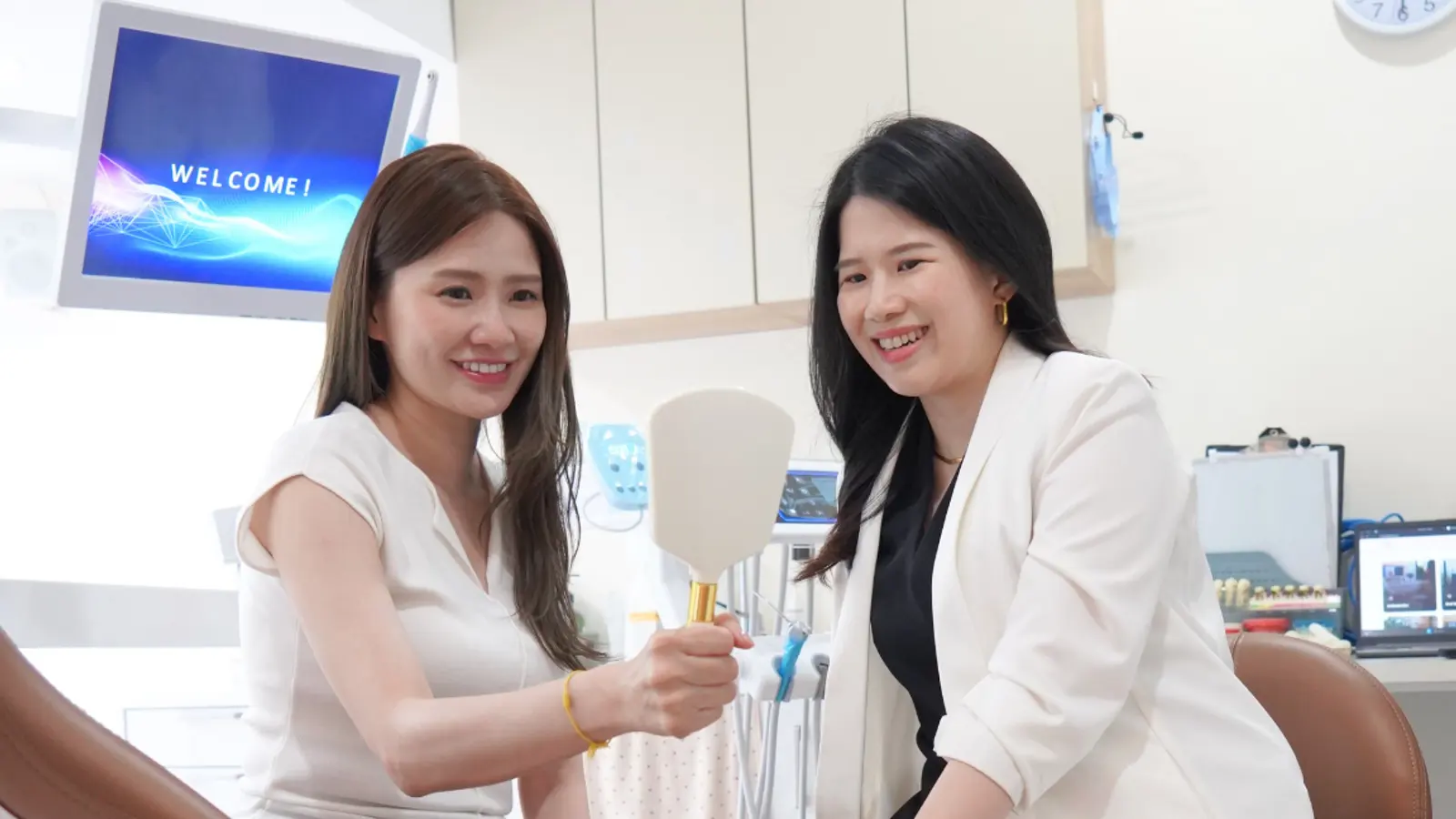
V Dental Clinic in SS2, Petaling Jaya provides oral surgeries with clear explanations, careful planning and follow-up at every step.
A detailed treatment plan and fee breakdown before treatment begins.
Strict sterilisation and hygiene protocols for every visit.
755+ Google reviews from our patients. Read them on Google.
Conveniently located in SS2, Petaling Jaya.
Before and after cases treated at our clinic, and what patients say on Google.
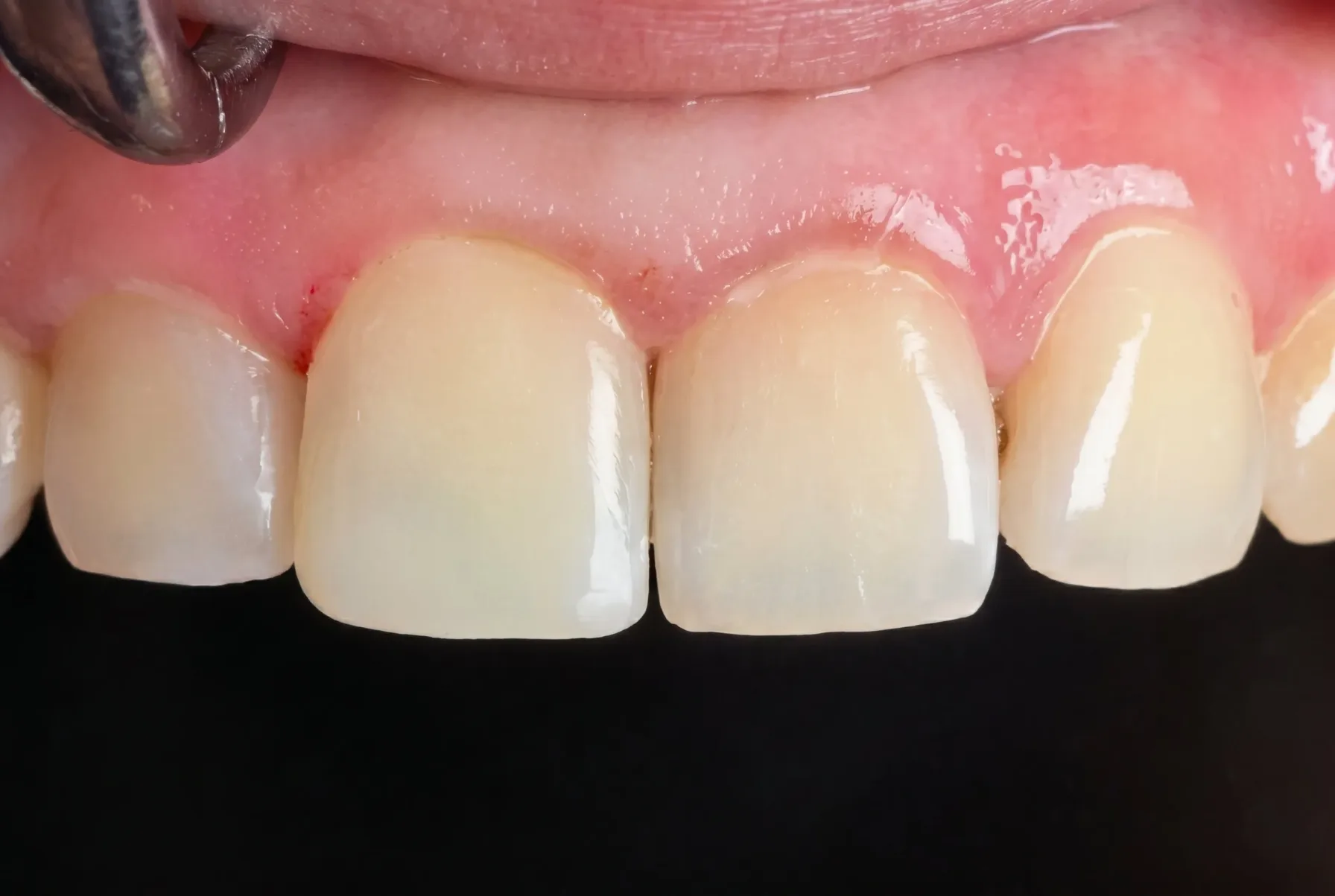
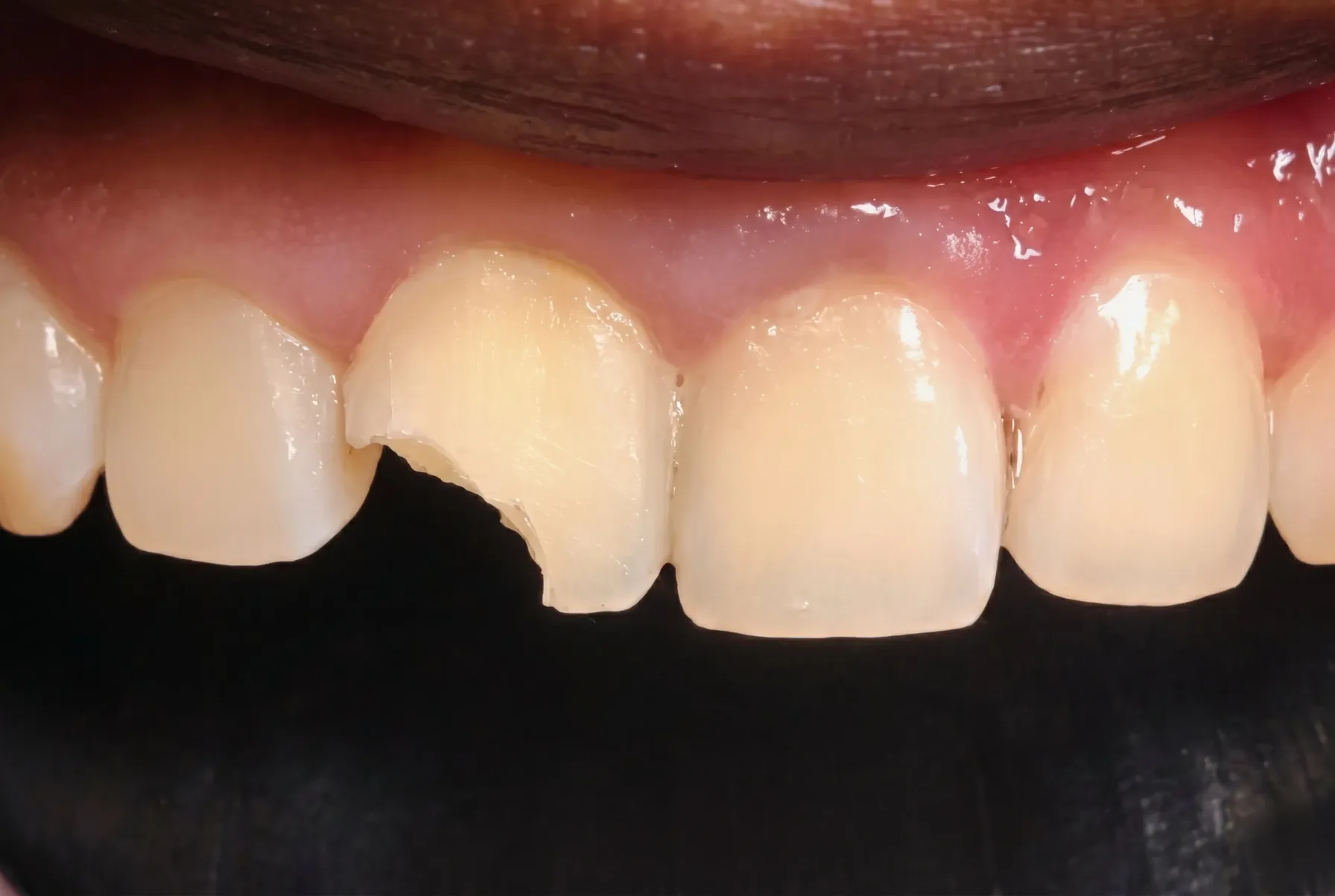
Restoring huge chipped tooth with aesthetic filling.
out of 5 on Google
Based on 755+ reviews
Adnan
July 2026
Thank you,Dr Koh, for the excellent dental implant treatment.The whole process was well explained,smooth and comfortable.Im very pleased with the results and would definitely recommend this clinic to others
View on GoogleSummer Lee
June 2026
The doctor was very good, patient, and professional. I went for braces treatment and had a great experience. The doctor explained everything clearly and made me feel comfortable throughout the consultation. Highly recommended!
View on GoogleNick Koay Han Yann
June 2026
Recommended by one of my relatives, Dr Koh is very friendly and informative. Did my scaling and filling. No issue, had a good experience.
View on GoogleEverything you need to know about this treatment.
A simple extraction removes a tooth that is fully visible and can be loosened with instruments. A surgical extraction is needed when a tooth is broken at the gum line, has curved roots or is partly covered by gum and bone. A small gum flap is raised and the tooth may be divided into sections. Both are done under local anaesthesia.
A frenectomy releases a tight fold of tissue under the tongue (tongue-tie) or between the lip and gum. It is done for children and adults when the tie affects speech, feeding, cleaning, or pulls the gum away from the teeth, and when a lip tie keeps a gap open between the front teeth. It is a short procedure under local anaesthesia.
A small procedure to save a root-treated tooth when infection persists at the tip of the root and retreatment through the crown is not possible. The gum is opened, the infected tip is removed and the root end is sealed. Healing of the bone is checked on X-rays over the following months.
Expect swelling and discomfort for two to three days, a soft diet for about a week, and stitches that dissolve or are removed after a week. Most people return to work the next day after a minor procedure. Surgical extractions and apicoectomies take a little longer to settle.
Yes. Oral surgery at our clinic is normally done under local anaesthesia, so you are awake but the area is numb. If you are anxious, tell us at the consultation so the visit can be planned around it.
Do not smoke for at least 72 hours, avoid straws, spitting and vigorous rinsing on the first day to protect the blood clot, keep to soft food, avoid strenuous exercise for 24 to 48 hours, and take medication exactly as prescribed. Call us if pain or swelling worsens after the third day.
Treatments that commonly come up alongside this one, either as an alternative or as the step before or after.
Walk-ins are welcome, but an appointment keeps your waiting time short.
Opening hours
Mon to Sat: 9:00 AM to 9:00 PM (MYT)
Sun: 9:00 AM to 6:00 PM (MYT)