V Dental Clinic Logo
Orthodontics | Braces
755+ Google ReviewsMDC Registered

Orthodontics | Braces in Petaling Jaya

Conventional braces, self-ligating braces and Invisalign clear aligners for teenagers and adults in SS2, planned from a full set of records with a written timeline and fee before anything is fitted.

Overview

How teeth are moved

Orthodontic treatment applies light, continuous pressure to a tooth. The bone on the side the tooth is pushed towards is resorbed, new bone forms behind it, and the tooth migrates through the jaw a fraction of a millimetre at a time. This is a biological process rather than a mechanical one, which is why it cannot be rushed and why the same movement takes a little longer in an adult than in a teenager.

Dental model fitted with braces on the consultation table at V Dental Clinic, SS2
  • 12 to 24 months

    Typical course. Mild crowding can finish sooner, complex bite correction runs longer.

  • Braces or clear aligners

    Conventional, self-ligating or Invisalign, chosen from your records rather than from a preference.

  • Visits every 4 to 8 weeks

    Aligner reviews every 6 to 10 weeks, with trays changed at home.

Am I Suitable?

Who braces or aligners are for

Teeth can be moved at any age once the gums and the bone around them are healthy.

Usually suitable for

  • Crowded, overlapping, gapped or protruding teeth
  • Bite problems: overbite, underbite, crossbite or open bite
  • Teeth that have drifted into a gap after an extraction
  • Teenagers once most of the adult teeth are through, at around twelve or thirteen
  • Adults of any age with healthy gums and bone

We plan more carefully when

  • Gum disease or decay is present, because both are treated and stabilised first
  • The problem is in the position of the jaws rather than the teeth, which in an adult means camouflage or surgery
  • The case needs movements that clear aligners handle less predictably
  • You already have crowns, veneers or implants, since an implant cannot be moved

Orthodontic treatment does not suit every case, and not every case suits every system. The only way to know is an examination with a full set of records, taken in the clinic.

Treatment Options

Braces, aligners and retainers

All three systems move teeth the same way. What differs is visibility, visit pattern and how much of the result depends on you.

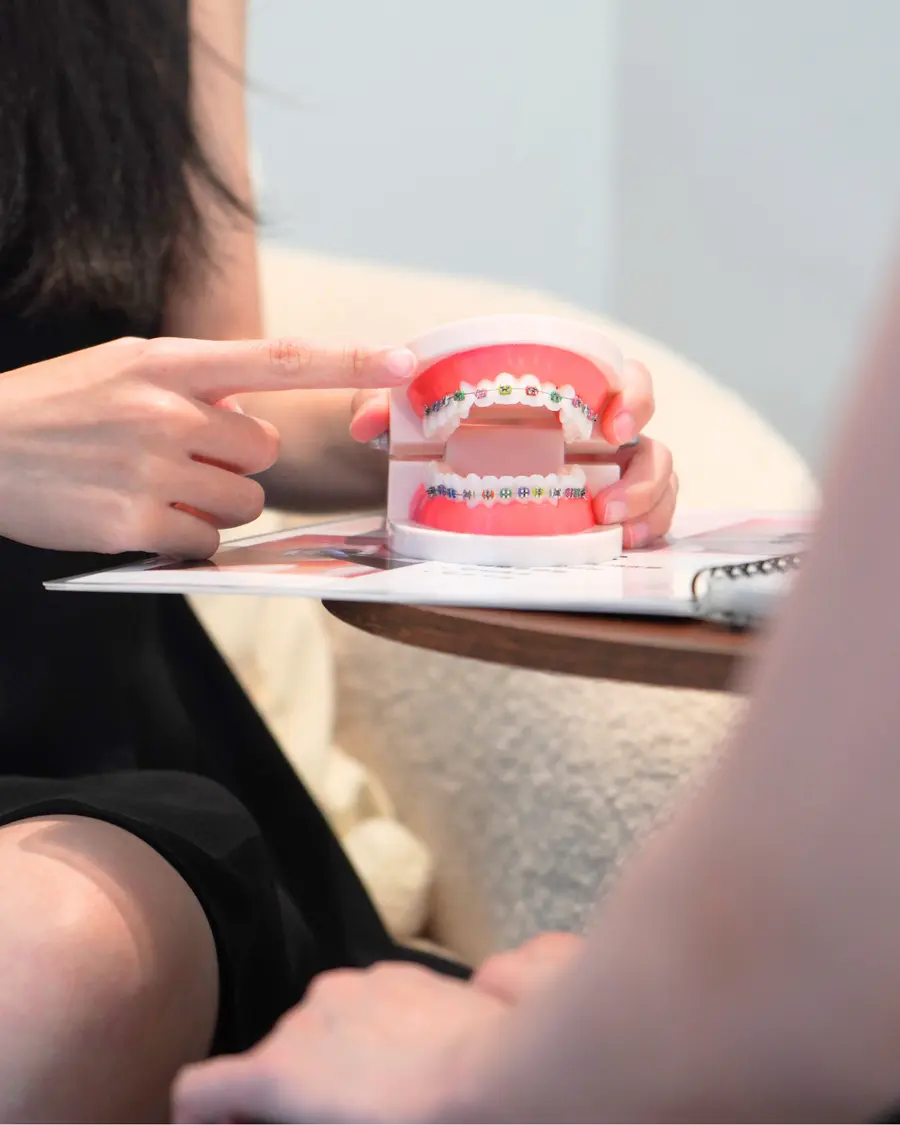
Dentist pointing to the brackets on a braces demonstration model at V Dental Clinic

Conventional Braces

Brackets bonded to each tooth with a wire held by small elastic rings, replaced at every visit. Handles the widest range of movements, including the ones aligners struggle with.

Widest case rangeAdjusted every 4 to 8 weeksColour ties available

Self-Ligating Braces

The same bonded brackets, with a built-in clip holding the wire instead of an elastic ring. Nothing perishes between visits, so appointments can often be spaced further apart.

Fewer visitsNo elastic tiesComparable overall time

Anchorage Screws (TADs)

Small titanium screws placed in the bone under local anaesthesia and removed at the end of treatment, giving the wire something immovable to push against so a specific group of teeth can be moved without the rest drifting back.

Used selectivelyQuoted upfrontRemoved at the end

Ceramic Braces

Tooth-coloured ceramic brackets used with either fixed system where visibility matters. They work the same way as metal brackets and are considerably harder to notice at conversational distance.

Tooth-colouredFixed applianceMore discreet

Invisalign Clear Aligners

A series of removable transparent trays changed every one to two weeks, with small tooth-coloured attachments bonded to grip them. Suits mild to moderate cases and depends on 20 to 22 hours of wear a day.

RemovableNo food restrictionsCertified Invisalign Provider

Carriere Motion

A small appliance bonded from the canine to the back molar and worn with elastics, used before the braces or aligners go on to correct how the upper and lower arches meet. Typically three to six months, and it can reduce what the main appliance then has to do.

Worn first3 to 6 monthsNeeds daily elastics

Myobrace

A removable appliance for children, worn for an hour or two in the day and overnight, aimed at habits such as mouth breathing and tongue posture while the jaws are still growing. It suits some children and not others, and an assessment comes first.

ChildrenHabit correctionAssessed first

Retainers

Fitted the day the appliance comes off, because teeth begin to drift back almost immediately. Clear Essix trays, a Hawley plate or a thin wire bonded behind the front teeth.

Essix clearHawley plateFixed bonded wire

Night Guard and Splint

A custom appliance for grinding and jaw tension, made after treatment where clenching would otherwise wear the corrected teeth or disturb the result.

Protects the resultCustom fittedWorn at night
Step by Step

Your orthodontic journey

Eight stages from the first records to the retainer reviews.

Typically 12 to 24 months from fitting to debond, and retention continues from the day the appliance comes off.

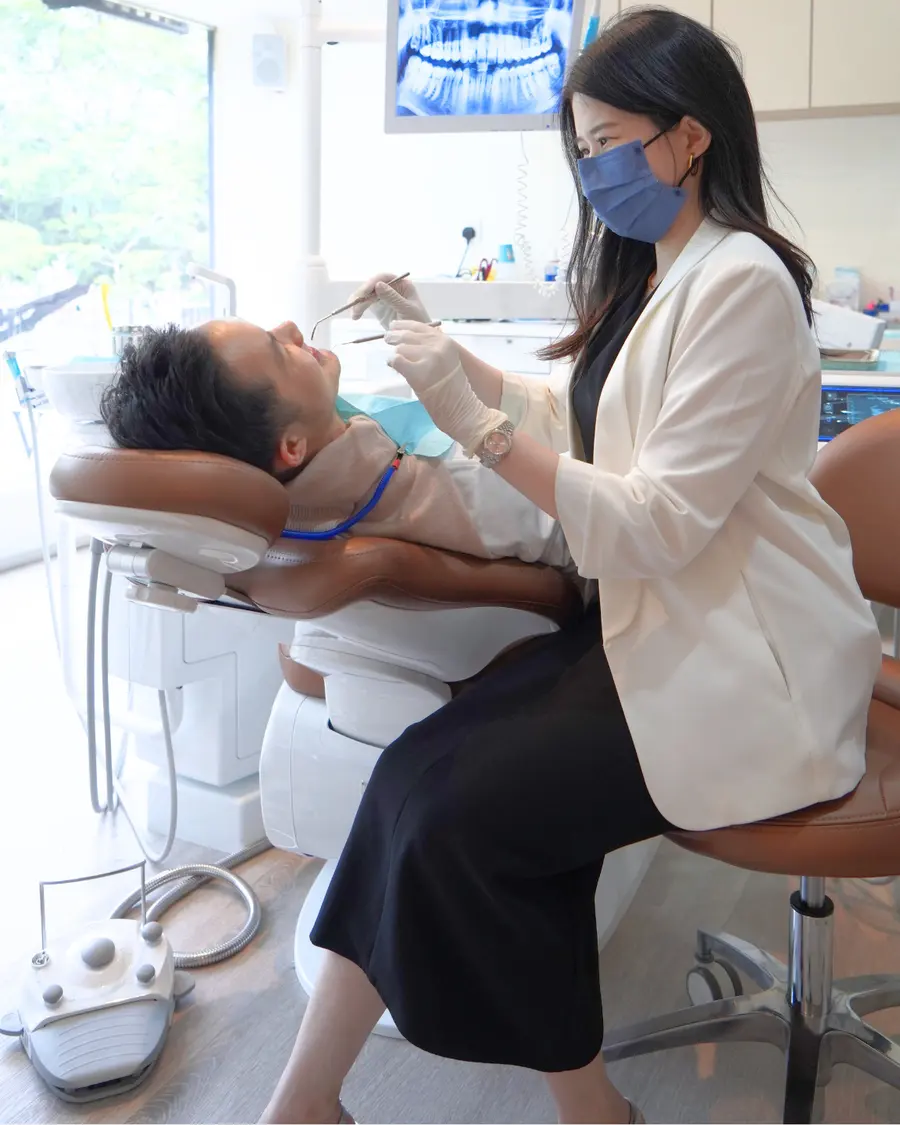
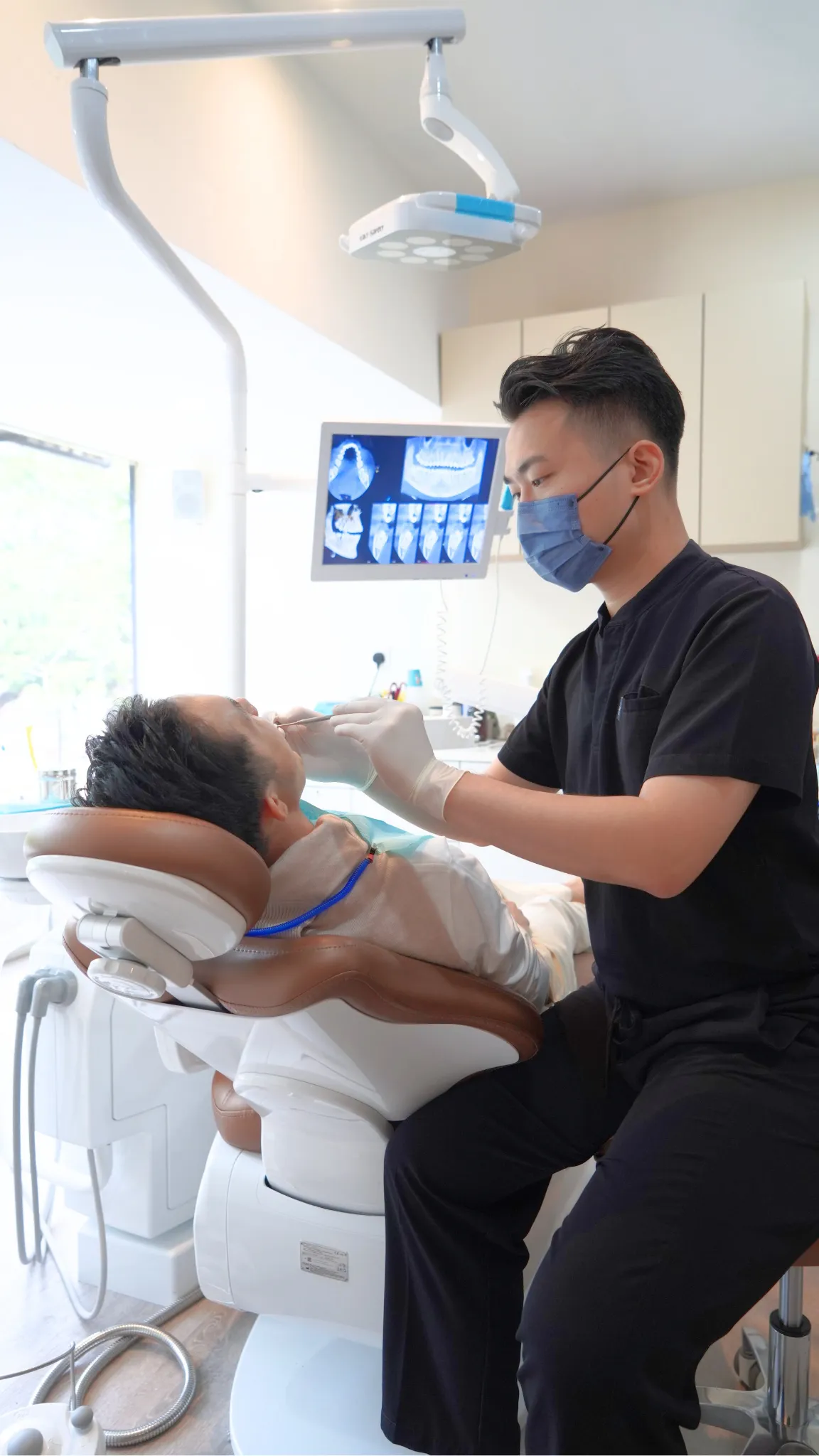
Dentist seated at the chair with a panoramic X-ray on the wall monitor at V Dental Clinic
  1. 1

    Consultation and records

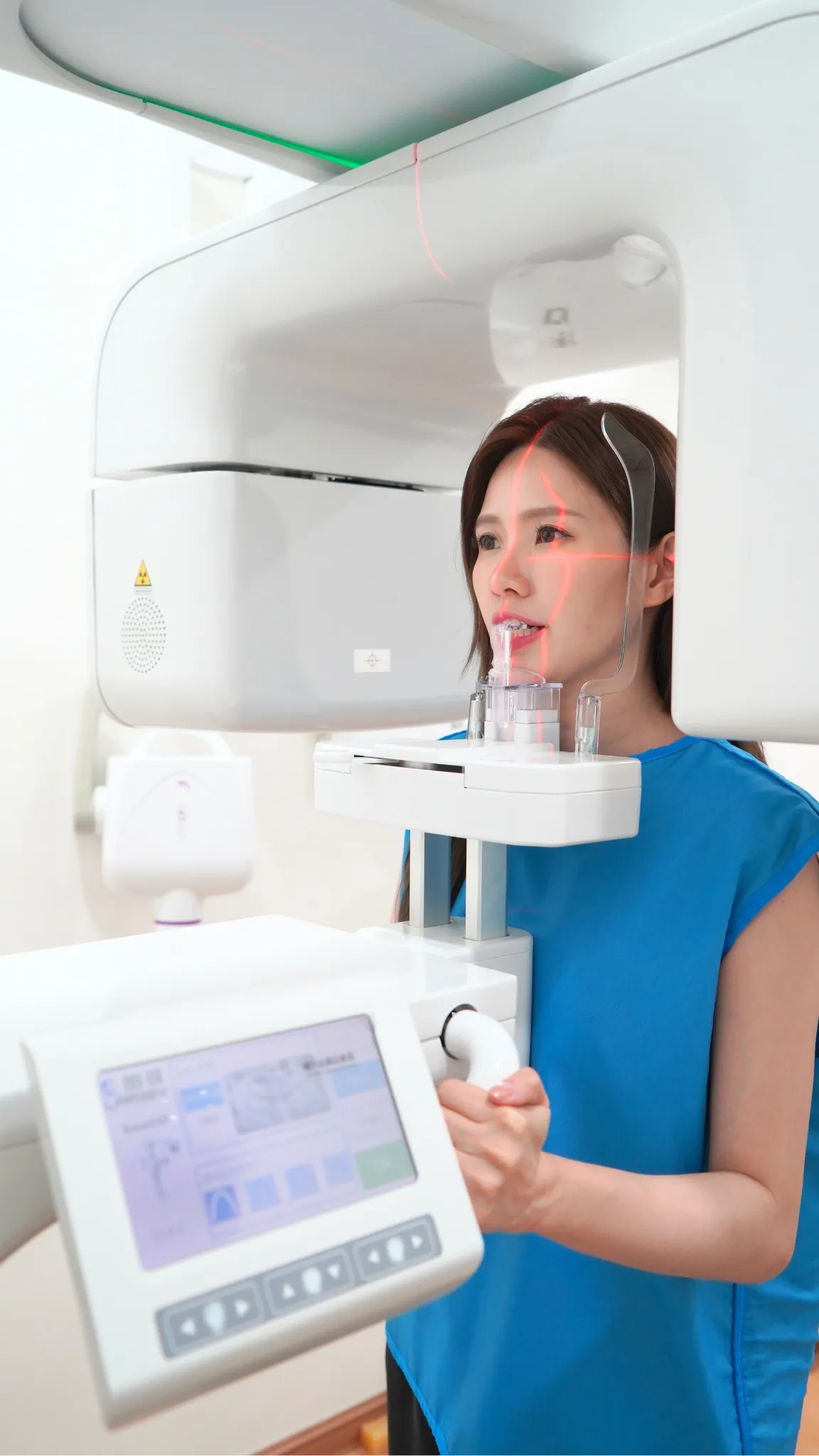
    Examination of the teeth, gums and bite, photographs, a panoramic OPG and a lateral cephalometric X-ray, and a digital scan or impression. This visit establishes what is achievable, not just what is wanted.

  2. 2

    Treatment plan and quote

    Which system suits your case, whether any extractions or bone anchorage screws are part of the plan, the expected duration, the visit schedule and the fee, all in writing before anything is fitted.

  3. 3

    Preparation

    Fillings, scaling and any gum treatment are completed first. Where the plan calls for extractions or the removal of wisdom teeth, those are done and allowed to heal before the appliance goes on.

  4. 4

    Fitting

    Brackets are bonded and the first wire placed in about an hour, or the first aligners are issued with the attachments bonded. There are no injections and no drilling. You leave with cleaning instructions, wax and a contact number for breakages.

  5. 5

    Active treatment

    Braces are adjusted every four to eight weeks, with a heavier or differently shaped wire at each stage. Aligners are changed at home every one to two weeks with a review every six to ten weeks. Elastics are added once the alignment allows the bite to be worked on.

  6. 6

    Detailing

    The last few months are spent on the fine positioning: closing residual spaces, settling the bite so the teeth meet evenly, and matching the level of the gum margins across the front teeth. This stage is slow and it is the difference between a straight-looking result and a stable one.

  7. 7

    Debond and retainers

    Brackets are removed and the adhesive polished off, or the final aligner is finished with. Records are taken again and retainers are fitted the same day or within a few days, because teeth begin to drift back almost immediately.

  8. 8

    Retention reviews

    You are seen to check the retainers and the position of the teeth, then at longer intervals. Retention is the part of the treatment that keeps the result, so it does not stop when the braces come off.

The plan, the expected duration and the fee are agreed in writing before anything is bonded. Where extractions, anchorage screws or wisdom tooth removal form part of the plan, they are quoted at that point rather than raised mid treatment.

What To Expect

Comfort, timing and daily life

What most patients notice, stage by stage.

The first week

Teeth feel tender for three to five days, a bruised, pressured ache rather than a sharp pain. Brackets rub the lips and cheeks until the tissue toughens, and wax pressed over the offending bracket covers it. Soft food and ordinary painkillers manage this for most people.

After each adjustment

The same tenderness returns for two or three days and settles. With aligners, the first day or two of each new tray feels tight, which is the tray working.

Months 3 to 6

The alignment becomes visible. Space is often opened deliberately in the early months so crowded teeth can be brought into line, so things can look worse before they look better. Elastics are usually added once alignment allows the bite to be worked on.

The last few months

Detailing: closing residual spaces, settling the bite so the teeth meet evenly, and matching the gum margins across the front teeth. This stage is slow and it is what separates a straight-looking result from a stable one.

Call us for a loose bracket or a wire poking the cheek. Neither is an emergency, cover the sharp end with wax and we will see you within a few days, but a bracket that is off is not moving that tooth. If you lose an aligner, go back to the previous set and call us rather than skipping ahead.

Fees

What determines your orthodontic fee

Orthodontic treatment is quoted per case. These six factors move the figure.

The system

Conventional braces, self-ligating braces, ceramic brackets or Invisalign clear aligners, and whether a Carriere Motion phase comes first.

Case complexity

A longer course means more adjustment visits and more materials. Complexity is judged from the records, not from how the teeth look.

Number of aligners

The trays in the initial series, plus any refinement sets ordered after the first run.

Extractions and anchorage

Whether extractions, mini screws or wisdom tooth removal form part of the plan.

Records and imaging

The panoramic OPG, the cephalometric X-ray and the digital scan taken at the planning stage.

Retainers

The retainers fitted at the end of treatment, and replacement retainers later on.

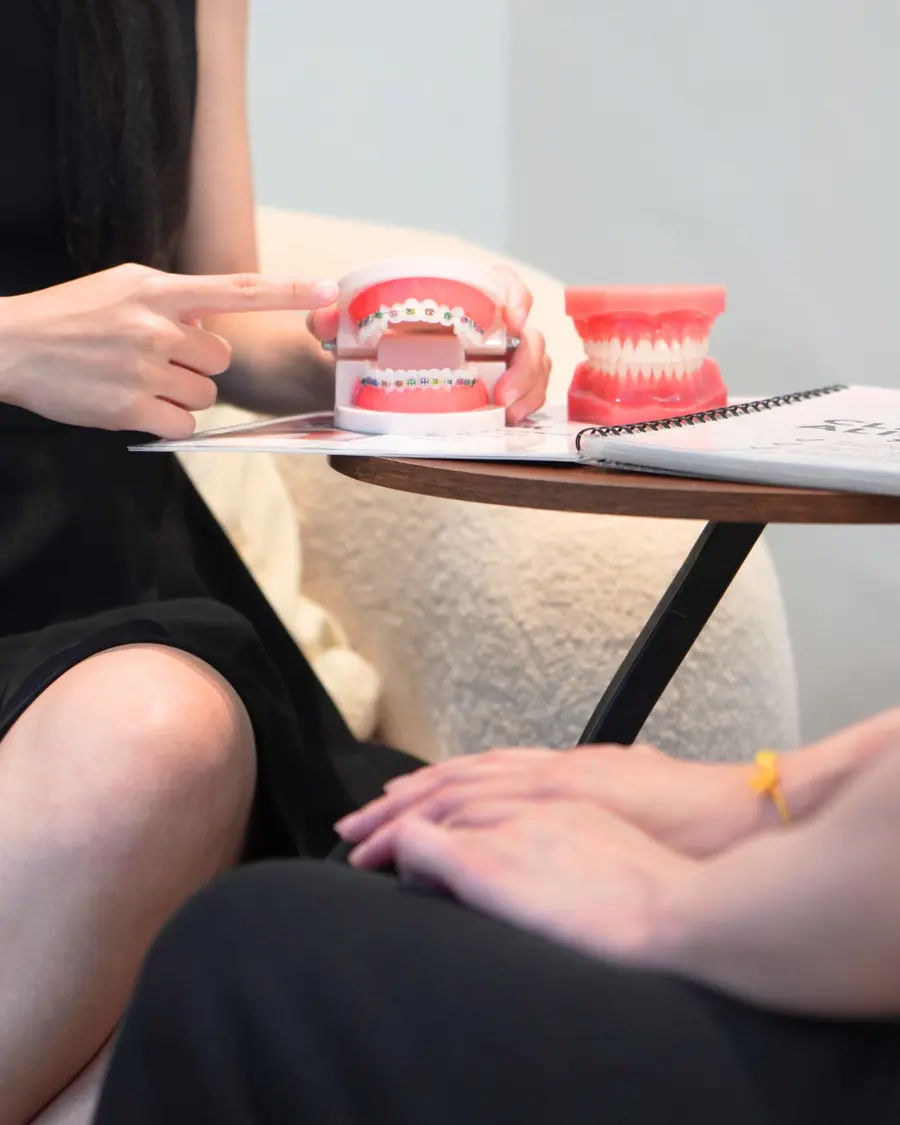
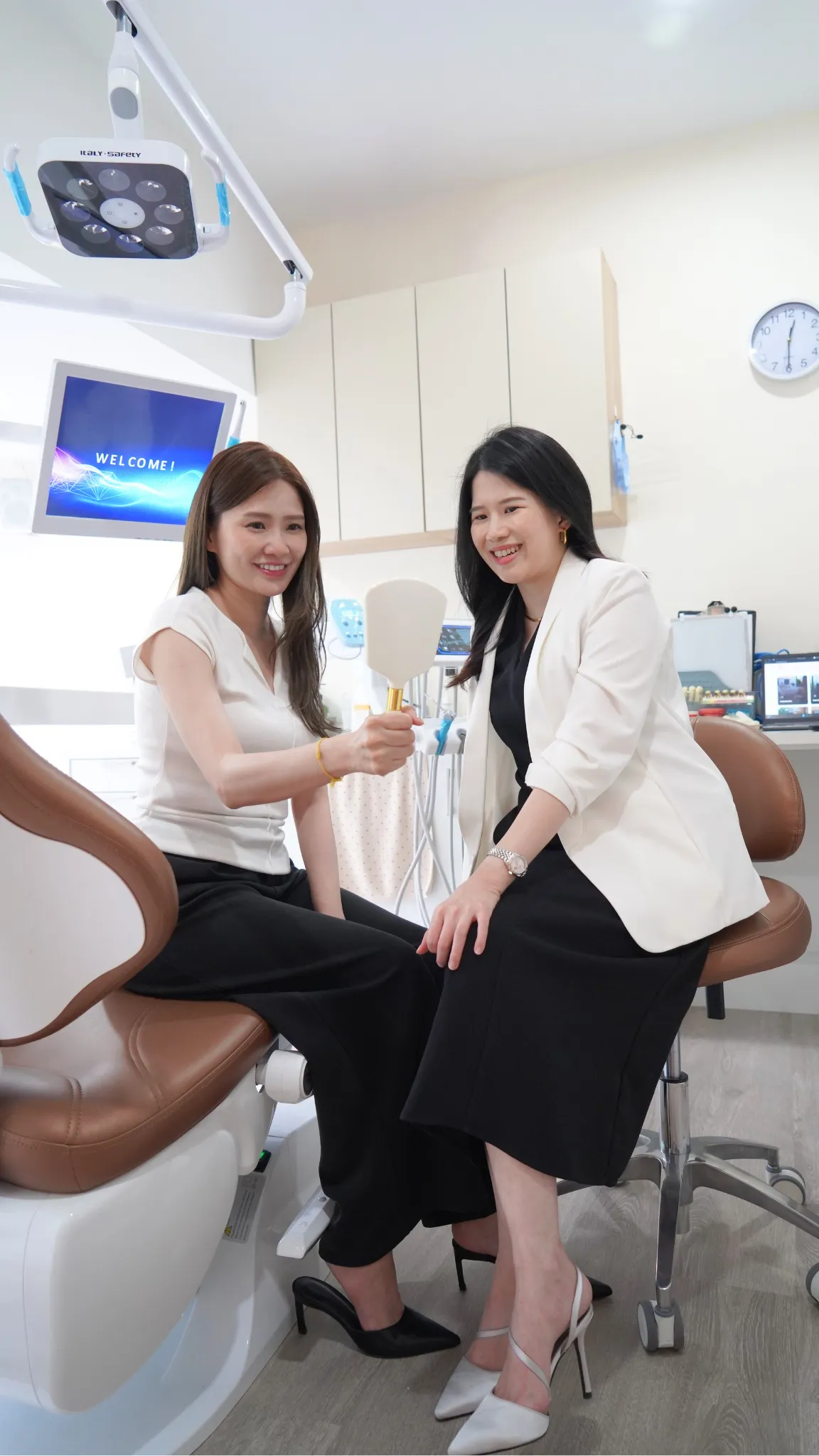
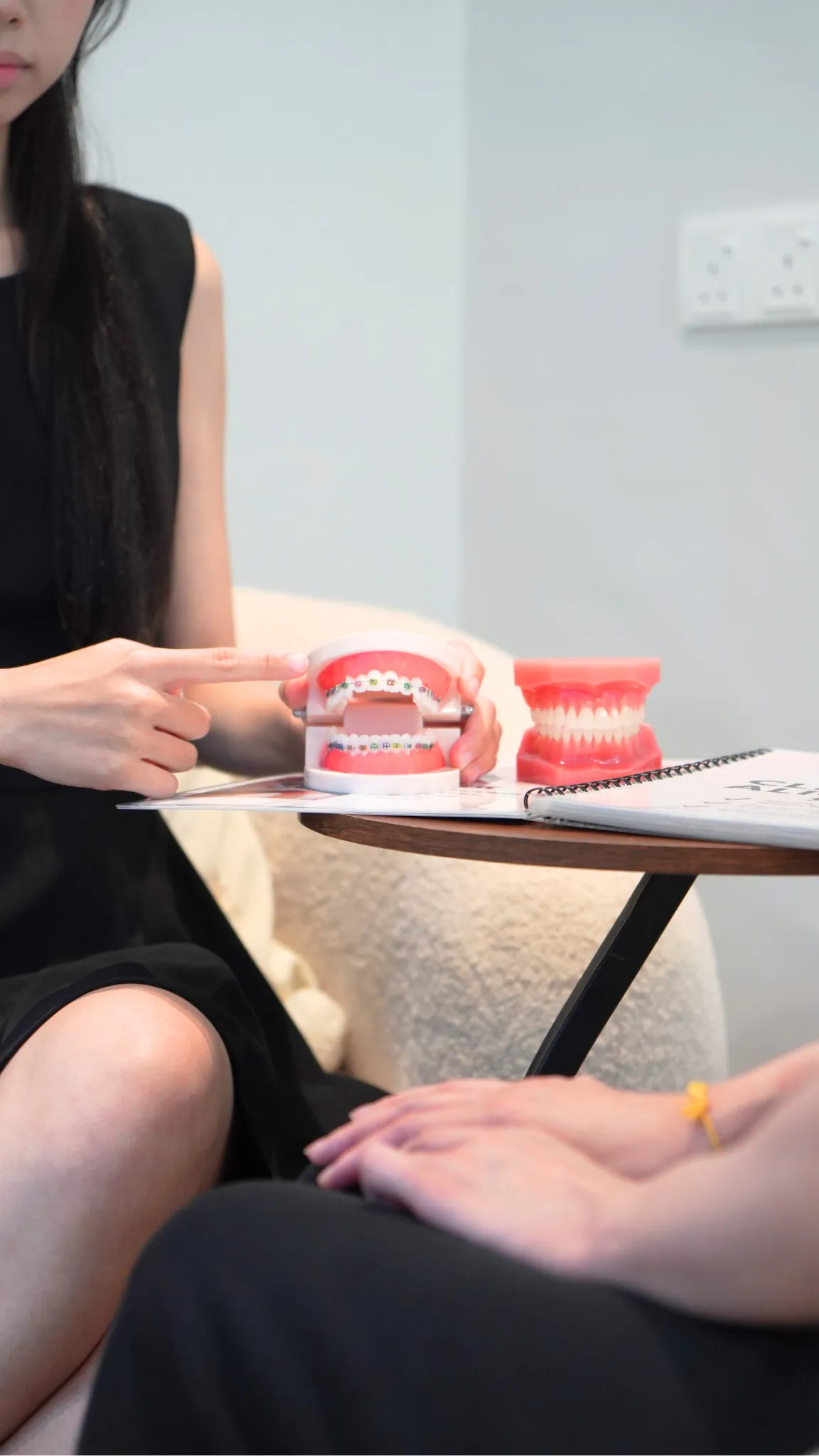
Consultation at the table with a dental model at V Dental Clinic, where the written plan and fee are explained

Orthodontic fees are quoted per case after the records are taken and the plan is agreed, as a written breakdown covering the whole course from fitting to retainers rather than a per-visit charge. Payment plans are available. Whether your insurance or company panel covers orthodontic treatment depends on your policy, and cover is often limited or excluded where the reason for treatment is appearance.

Ready to talk about orthodontics | braces?

Book a consultation or message us on WhatsApp. We explain your options and give a written plan before any treatment begins.

Compare

Conventional, self-ligating or Invisalign

There is no single best system. The right one depends on what has to move, how far, and how confident you are about wearing something removable for twenty two hours a day.

Conventional braces

Appearance
Metal or tooth-coloured ceramic brackets on the front of each tooth
How the wire is held
Small elastic rings, replaced each visit
Removable
No, fixed until treatment ends
Case complexity handled
The widest range, including severe rotations and large extraction spaces
Typical treatment time
12 to 24 months, longer for complex cases
Visit frequency
Every 4 to 8 weeks
Eating
Hard, sticky and chewy food avoided throughout
Cleaning
Brushing around brackets, interdental brushes and floss threaders
Depends on you
Attending adjustments and wearing elastics
If something breaks
A loose bracket needs an unscheduled visit to rebond

Self-ligating braces

Appearance
Metal or ceramic brackets, slightly smaller without the elastic rings
How the wire is held
A built-in clip on each bracket
Removable
No, fixed until treatment ends
Case complexity handled
The same range as conventional in most hands
Typical treatment time
12 to 24 months, comparable to conventional
Visit frequency
Every 6 to 10 weeks in many cases
Eating
Hard, sticky and chewy food avoided throughout
Cleaning
Same as conventional, slightly easier without elastic rings
Depends on you
Attending adjustments and wearing elastics
If something breaks
A clip can fail and needs the bracket replaced

Invisalign clear aligners

Appearance
Transparent trays, hard to notice at conversational distance
How the wire is held
No wire, the tray itself applies the force
Removable
Yes, taken out to eat and to brush
Case complexity handled
Mild to moderate. Large rotations, significant extrusion and big extraction cases are harder
Typical treatment time
12 to 24 months for suitable cases, refinement trays often added
Visit frequency
Review every 6 to 10 weeks, trays changed at home
Eating
No restrictions, the tray comes out for meals
Cleaning
Brush normally, plus rinsing and cleaning the trays
Depends on you
Wearing the trays 20 to 22 hours a day, every day
If something breaks
A lost tray means going back to the previous one and calling us

In practice the decision is made from the records rather than from preference alone. If your case can be finished properly with aligners we will say so, and if it cannot we will tell you what the compromise would be instead of accepting the case regardless.

Your Dentist for Braces

Braces and aligner treatment at V Dental is led by Dr. Veron

Dr. Veronica Koh

Dr. Veronica Koh

Principal Dentist

Dr. Veronica Koh, known to patients as Dr. Veron, has completed more than 1,000 orthodontic cases over 11 years of practice, with conventional braces, self-ligating braces and Invisalign clear aligners, alongside her implant and aesthetic work.

She is a Certified Invisalign Provider and treats both teenagers and adults. Every case starts with a full set of records, and you receive a written timeline and fee before anything is fitted.

Dr. Koh is a general dental practitioner with extensive orthodontic experience rather than a registered orthodontic specialist. Where a case needs specialist or surgical management, she will tell you and refer you.

  • 1,000+ orthodontic cases completed
  • Certified Invisalign Provider
  • 11+ years in clinical practice
  • Member of Malaysian Academy of Aesthetic Dentistry
  • Member of Malaysian Dental Association
Read Dr. Veron's full profile
In Depth

More about braces and aligners

Open any topic for the full explanation.

Orthodontic treatment is considered for crowded or overlapping teeth, gaps, front teeth that protrude, teeth that have drifted after an extraction, and bites where the upper and lower teeth do not meet properly. Teenagers are usually treated once most of the adult teeth are through, at around twelve or thirteen. Adults can be treated at any age provided the gums and the bone around the teeth are healthy.

The four bite problems we look for are an overbite, where the upper front teeth cover too much of the lower, an underbite, where the lower teeth sit in front, a crossbite, where upper and lower teeth meet on the wrong side of each other, and an open bite, where the front teeth do not touch at all when the back teeth are closed. Each of these affects how the teeth wear and how well you can bite, not only how the smile looks.

Anything active in the mouth is dealt with before the teeth start moving. Decay is filled, gum disease is treated and brought under control, and any tooth with a doubtful long-term outlook is assessed, because moving teeth through inflamed gums accelerates bone loss. If you have crowns, bridges, veneers or implants already, tell us at the consultation. Brackets bond to crowns and veneers with a different adhesive, and an implant cannot be moved at all, so it becomes a fixed point that the plan has to work around.

There is a limit to what moving teeth can achieve. Where the underlying problem is the size or position of the jaws rather than the teeth, a growing teenager can sometimes be treated with an appliance that guides growth. In an adult, growth has finished, so the choice is between camouflaging the discrepancy by moving the teeth within the bone they have, and correcting the jaws themselves with orthognathic surgery in a hospital setting. We tell you which of these your case is at the consultation rather than starting treatment and finding out later.

Conventional braces, self-ligating braces and Invisalign clear aligners all move teeth using the same biology. What differs is how the force is delivered, how visible the appliance is, and how much of the result depends on you rather than on the appointment schedule. Ceramic brackets are a variation on the two fixed systems rather than a fourth one, and Carriere Motion is a short preliminary phase that sometimes comes before any of them.

  • Conventional braces: brackets bonded to the front of each tooth, with a wire held in place by small elastic rings that are replaced at every visit. The rings come in clear or in colours, which teenagers usually choose to change each time. This system handles the widest range of movements, including the ones the other two struggle with.
  • Self-ligating braces: the same bonded brackets, but the wire is held by a small built-in clip instead of an elastic ring. Because there is no elastic to perish and stretch, the wire keeps working between visits and appointments can often be spaced further apart. Published trials have not shown a consistent reduction in overall treatment time, so we present this as fewer visits rather than a faster result.
  • Invisalign clear aligners: a series of removable transparent trays, each worn for one to two weeks. Small tooth-coloured attachments are bonded to some teeth to give the tray something to grip, and a fraction of a millimetre of enamel is sometimes polished between contacts to create space. Nothing moves while a tray is out of the mouth, so the plan depends on twenty to twenty two hours of wear a day.
  • Ceramic brackets: the same fixed treatment as either metal system, with tooth-coloured ceramic brackets instead of metal ones. They are noticeably more discreet at conversational distance, they cost more, and they are slightly bulkier, so we discuss them where appearance during treatment is a concern.
  • Carriere Motion: not a full appliance but a preliminary one. A small bar is bonded from the canine to the back molar on each side and worn with elastics for roughly three to six months before the braces or aligners go on, to correct the way the upper and lower arches meet. Getting that relationship right first can shorten what the main appliance has to do afterwards, and it depends entirely on the elastics being worn.

Teeth can only be aligned if there is room for them. Where there is not enough, the space has to come from somewhere, and there are three ways to find it. Which one applies is decided from your X-rays and models, not from a preference for avoiding extractions.

Temporary anchorage devices, often called TADs or mini screws, are small titanium screws placed in the bone under local anaesthesia and removed at the end of treatment. They give the wire something immovable to push against, which makes it possible to move a specific group of teeth without the rest drifting the other way. They are used selectively, and where one is planned you will be told at the quote stage rather than mid treatment.

  • Arch expansion: the arch is widened slightly to gain room. This works where the upper arch is genuinely narrow, and it is more effective in a growing teenager than in an adult.
  • Interproximal reduction: a fraction of a millimetre of enamel is polished from between the contact points of the teeth. It is painless, it does not weaken the tooth at the amounts used, and it can recover a few millimetres across an arch.
  • Extractions: usually the first premolars, occasionally others. This is reserved for severe crowding or protrusion where the other two cannot produce enough room, because closing an extraction space properly adds time to the treatment.

Orthodontic treatment is safe and predictable, and it still carries risks that you are entitled to hear before you commit to eighteen months of it. None of these is a reason to avoid treatment. They are reasons to clean properly, attend reviews and wear retainers.

  • White marks on the enamel. Plaque left around a bracket demineralises the surface underneath it and leaves a permanent white scar when the bracket comes off. This is the most common complication of braces and it is almost entirely preventable by cleaning.
  • Root shortening. The tips of the roots remodel slightly during treatment in most patients. It is usually a fraction of a millimetre and of no consequence, and in a small number of people it is more pronounced, which is why we take a check X-ray during longer courses.
  • Gum recession. Moving a tooth beyond the envelope of bone that surrounds it can thin the gum over the root. Planning within the bone, and treating any gum disease first, is what keeps this in check.
  • Relapse. Teeth drift throughout life whether or not you have had braces. Without retainers the front teeth crowd again, often within the first year, and the treatment is effectively undone.
  • Longer than planned. Broken brackets, missed appointments and inconsistent aligner wear all extend the treatment. The timeline in your plan assumes the appliance is intact and worn as instructed.

The fibres that attach each tooth to the bone are stretched by orthodontic movement and they take far longer to reorganise than the bone does. Add the natural forward drift that happens to everyone with age, and the position achieved by braces is not self sustaining. Retainers are not an optional accessory at the end of treatment, they are the part that makes the previous eighteen months permanent.

The usual protocol is full time wear for the first few months, then nights only, and then nights indefinitely. Many patients settle into a few nights a week long term. We do not tell patients that retention ends after a year, because it does not. Replacement retainers are quoted separately and are worth keeping a spare of, since the common cause of relapse is a retainer that broke and was never replaced.

  • Clear Essix retainers: a thin transparent tray moulded to the finished position, worn at night. Invisible in the mouth, easy to wear, and they wear thin over a few years and need replacing.
  • Hawley retainers: an acrylic plate with a wire across the front teeth. Bulkier and visible, more durable than a clear retainer, and adjustable if a tooth needs a small correction.
  • Fixed bonded retainers: a thin wire bonded behind the front teeth, out of sight and working permanently without anything to remember. It needs floss threaders or a superfloss to clean under, and it needs checking, because a bond that fails silently lets that tooth move while the rest stay put.
  • Brush after every meal with a soft brush, angling the bristles above and below the bracket, and finish with an interdental brush along the wire. This takes about three minutes and it is what prevents white marks.
  • Use floss threaders or a superfloss to get between the teeth under the wire, once a day. A water flosser is a useful addition and not a replacement.
  • Keep six monthly scaling and check-ups during treatment. Gums swell around brackets and a hygienist visit keeps that under control.
  • Rinse aligners in cool water each time they come out and brush them gently. Hot water distorts them and coloured drinks stain them.
  • Wear a mouthguard made to fit over the appliance for contact sports. A shop-bought guard does not fit over brackets and can be dangerous.
  • Keep the clinic number for breakages. A loose bracket or a poking wire is not an emergency but it should be seen within a few days, and wax over the sharp end in the meantime.
Why Choose Us

Experience in Orthodontics | Braces

V Dental Clinic in SS2, Petaling Jaya provides orthodontics | braces with clear explanations, careful planning and follow-up at every step.

  • 3,000+Braces Cases
  • 500+Dental Implants
  • 755+Google Reviews
  • 11+Years of Experience

Transparent Planning

A detailed treatment plan and fee breakdown before treatment begins.

Safe & Sterilised

Strict sterilisation and hygiene protocols for every visit.

Patient Reviews

755+ Google reviews from our patients. Read them on Google.

Prime Location

Conveniently located in SS2, Petaling Jaya.

Real Results

Patient transformations and reviews

Before and after cases treated at our clinic, and what patients say on Google.

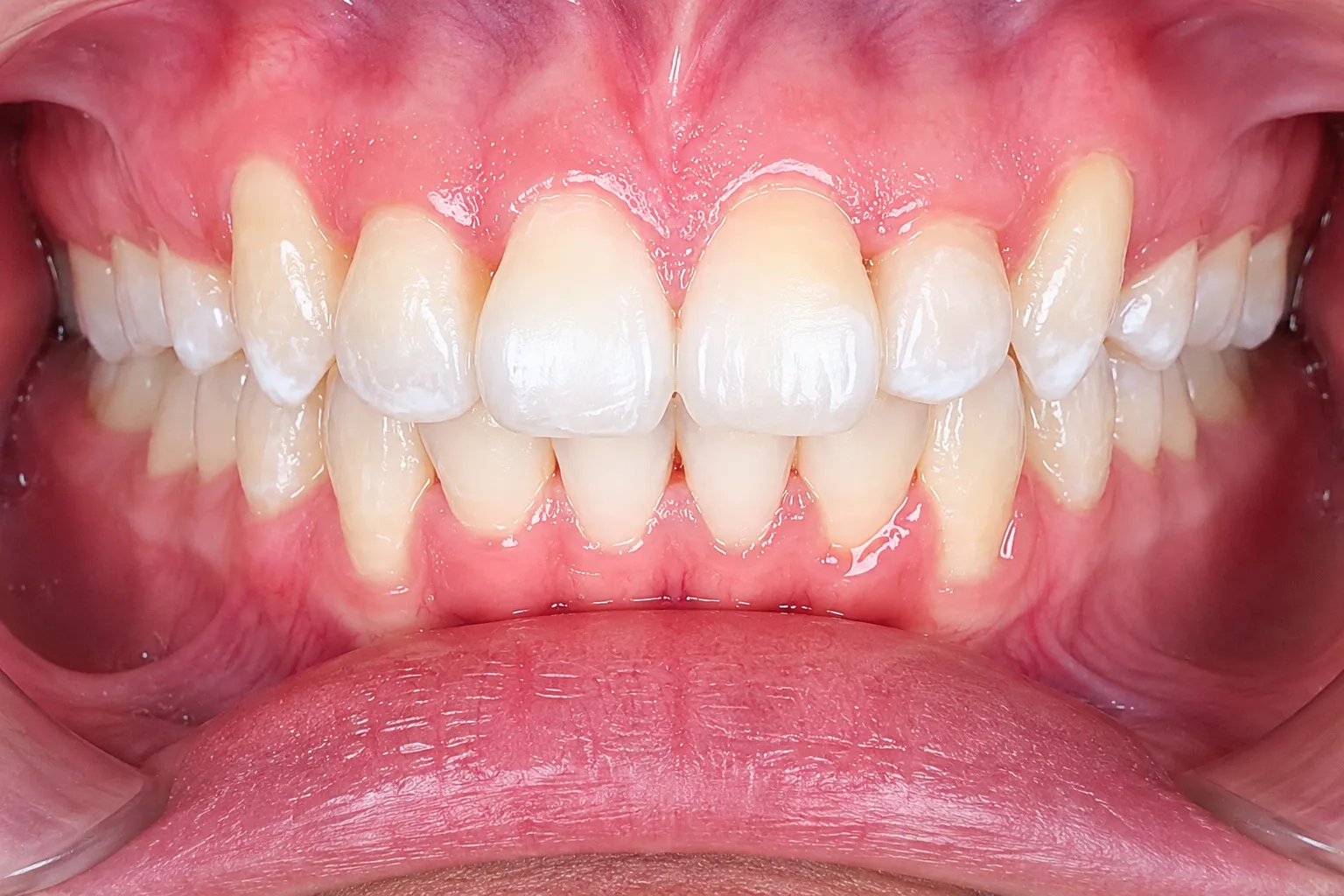
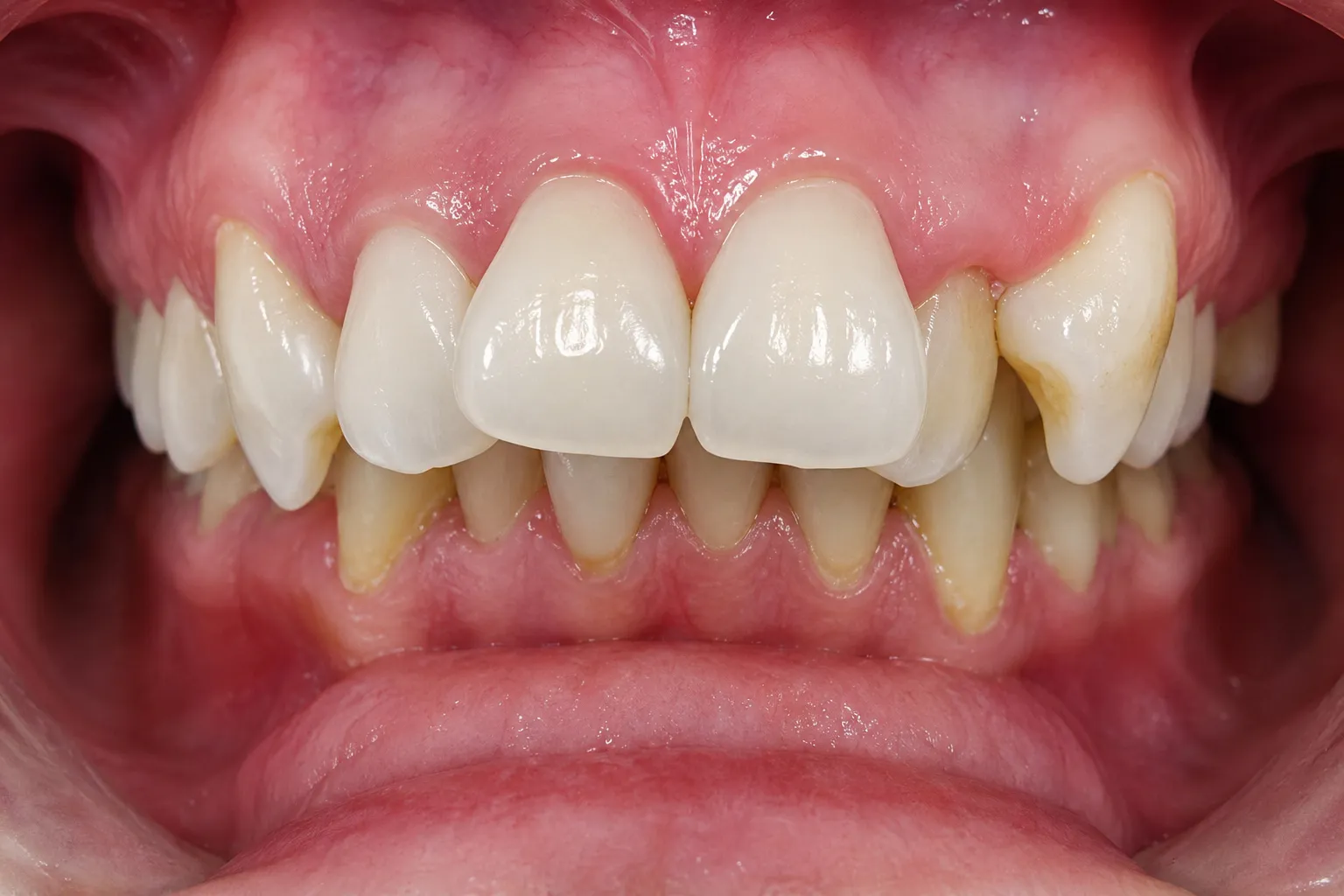
Self-Ligating braces - After
After
Self-Ligating braces - Before
Before

Self-Ligating braces

Proclination of upper teeth was corrected with self-ligating braces. The treatment improved the patient's smile and side profile.

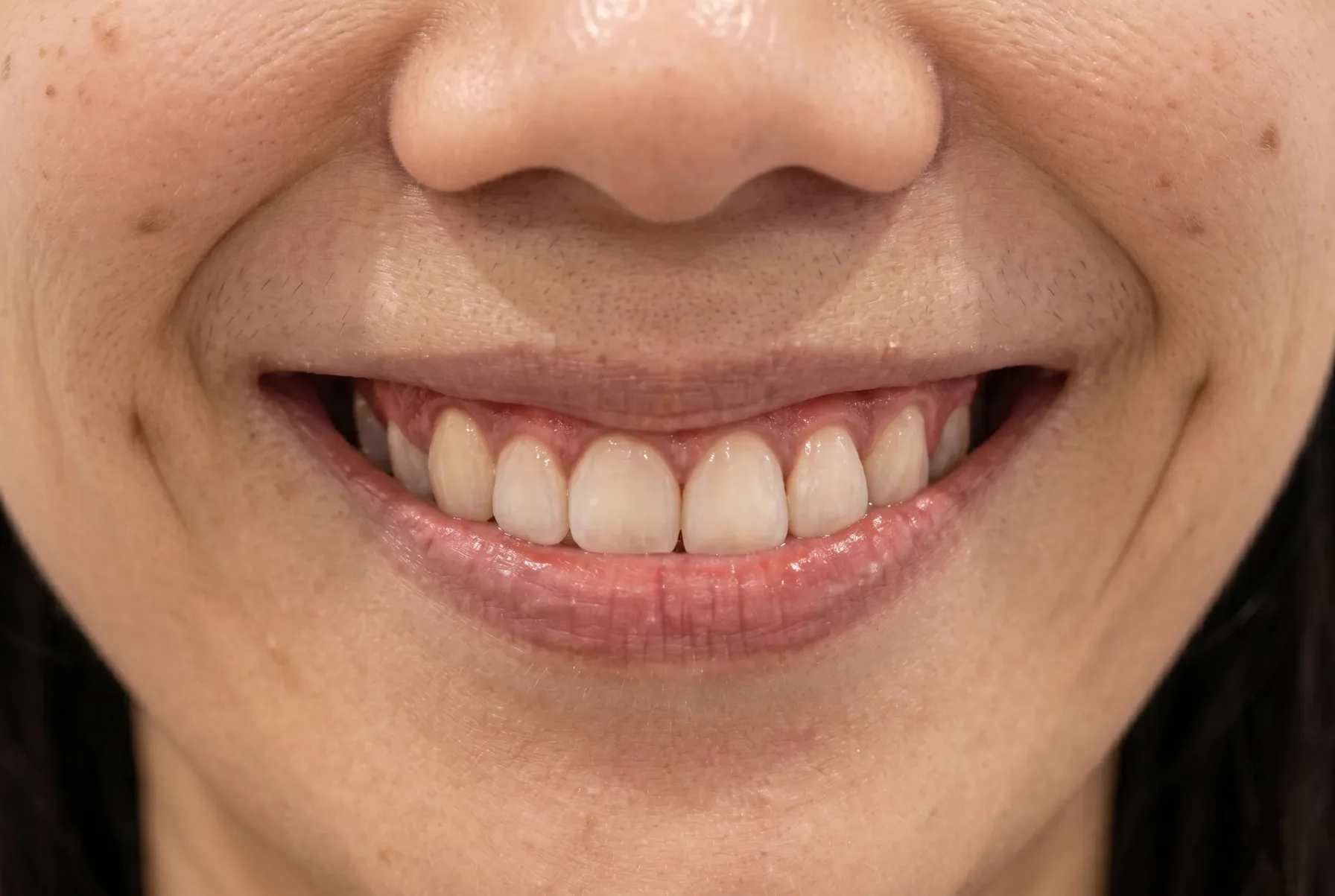
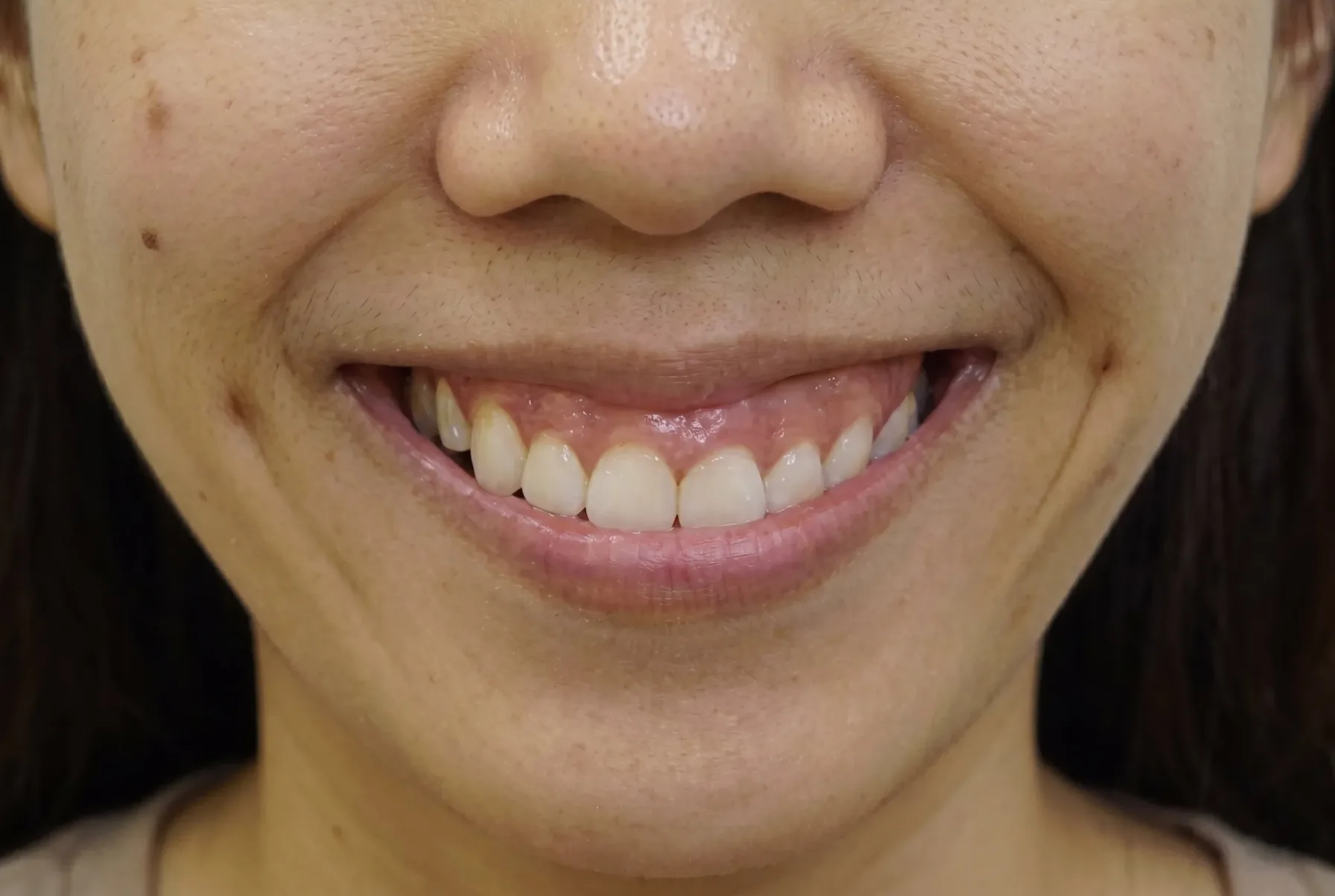
Gummy Smile Treatment - After
After
Gummy Smile Treatment - Before
Before

Gummy Smile Treatment

Gummy smiles are a common concern that causes patients to lose confidence. We corrected the slanted smile with braces and bone screws (TADs).

4.9

out of 5 on Google

Based on 755+ reviews

Read all reviews on Google

Summer Lee

June 2026

View on Google: Summer Lee

The doctor was very good, patient, and professional. I went for braces treatment and had a great experience. The doctor explained everything clearly and made me feel comfortable throughout the consultation. Highly recommended!

View on Google

Cheng Pin Lee (CP)

May 2026

View on Google: Cheng Pin Lee (CP)

Came here because of the amazing reviews and they didn’t disappoint! I chose Dr. Penny for a consultation, and the treatment so far has been top-notch. She is incredibly professional and made me feel right at ease. Super excited to start my braces journey with her soon!

View on Google

Adnan

July 2026

View on Google: Adnan

Thank you,Dr Koh, for the excellent dental implant treatment.The whole process was well explained,smooth and comfortable.Im very pleased with the results and would definitely recommend this clinic to others

View on Google
FAQ

Common Questions

Everything you need to know about this treatment.

Overall, braces take about 12 to 24 months. Most adult cases take 18 to 24 months. Mild crowding may finish in about 12 months, while complex bite problems can take 24 to 30 months. Adult bone remodels more slowly than a teenager's, so the same movement takes a little longer. Retainers are worn afterwards to hold the result.

Conventional braces hold the wire with small elastic ties that are replaced at every visit. Self-ligating braces use a built-in clip instead, which often means appointments can be spaced further apart, though published trials have not shown a consistent reduction in overall treatment time. Either can be fitted with tooth-coloured ceramic brackets instead of metal, which is more discreet and costs more. Invisalign uses a series of removable clear aligners that must be worn 20 to 22 hours a day and suits mild to moderate cases. Which one can achieve your result is decided from your records at the consultation.

Orthodontic treatment is quoted per case rather than from a fixed list, because the fee depends on the system, the complexity, the expected duration and whether extractions or anchorage screws are part of the plan. You receive a written breakdown covering the whole course from fitting through to retainers before anything is fitted, and payment plans are available.

Having braces fitted does not involve injections or drilling. The teeth feel tender for three to five days after fitting and after each adjustment, and the brackets can rub the cheeks at first. Soft food, ordinary painkillers if needed and orthodontic wax over any rough spots manage this for most people.

No. Teeth can be moved at any age as long as the gums and bone are healthy. Many adults have braces or aligners. Any gum disease is treated and stabilised first. The one thing that changes with age is that growth has finished, so a problem in the position of the jaws themselves can no longer be guided and has to be either camouflaged or corrected surgically.

Sometimes, when crowding or protrusion is severe and there is no room to align the teeth. The decision is made from your X-rays and models. Arch expansion and interproximal reduction, which polishes a fraction of a millimetre of enamel between contacts, are considered first, and anchorage screws can sometimes move teeth back instead. Where extractions are needed you are told at the quote stage.

Clear aligners handle crowding, spacing and mild to moderate bite problems well. They are less predictable for large rotations of round teeth such as canines and premolars, for pulling a tooth down into the arch, and for closing big extraction spaces. If your case can be finished properly with aligners we will say so. If it cannot, we will explain what the compromise would be rather than accepting the case anyway.

Braces are adjusted every four to eight weeks. Self-ligating braces can often be spaced to every six to ten weeks. With clear aligners, reviews are every six to ten weeks and you receive several sets at a time to change at home.

Some form of retention is needed long term, because teeth drift throughout life whether or not you have had braces. Retainers are worn full time for the first months, then at night, and then most patients settle into a few nights a week indefinitely. Options are a removable clear Essix retainer, a Hawley plate, or a thin wire bonded behind the front teeth. The most common cause of relapse is a retainer that broke and was never replaced.

The main risk is white marks on the enamel where plaque has been left around a bracket, and that is almost entirely preventable by cleaning properly and keeping your scaling appointments. The root tips remodel slightly in most patients, usually by a fraction of a millimetre and without consequence, and we take a check X-ray during longer courses. Moving teeth beyond the bone that surrounds them can thin the gum over a root, which is why the plan is made from the X-rays and why gum disease is treated first.

Usually yes. The plan can close a gap or hold the space open for a future implant, and brackets bond to crowns and veneers with a different adhesive. An implant that is already in place cannot be moved, so it becomes a fixed point the plan works around. Tell us what you have at the consultation so it is accounted for from the start.

Neither is an emergency. For a loose bracket, cover any sharp edge with orthodontic wax and call us for an appointment within a few days, since a bracket that is off is not moving that tooth. If you lose an aligner, go back to the previous set and call us, and do not skip ahead to the next one on your own.

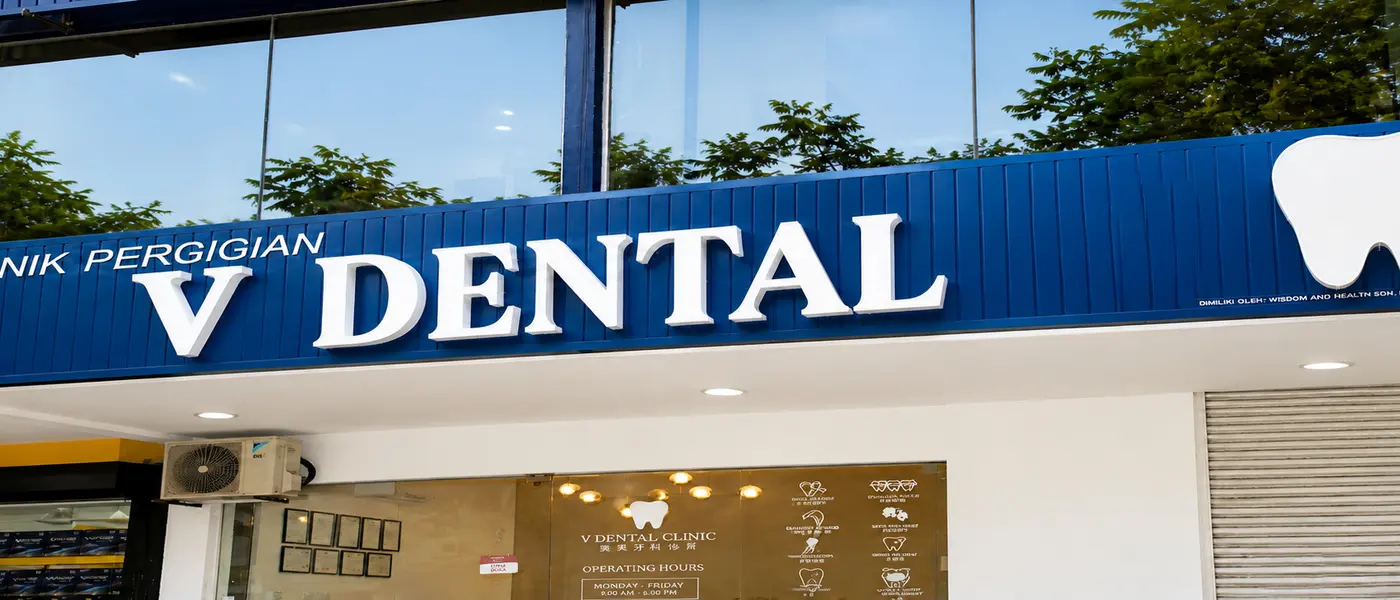
V Dental Clinic shopfront on Jalan SS2/24, SS2, Petaling Jaya

Visit us in SS2, Petaling Jaya

Walk-ins are welcome, but an appointment keeps your waiting time short.

V Dental Clinic PJ

155, Jalan SS2/24, SS2, 47300 Petaling Jaya, Selangor, Malaysia

Get Directions

Opening hours

Mon to Sat: 9:00 AM to 9:00 PM (MYT)

Sun: 9:00 AM to 6:00 PM (MYT)

Call NowWhatsApp