Adnan
July 2026
Thank you,Dr Koh, for the excellent dental implant treatment.The whole process was well explained,smooth and comfortable.Im very pleased with the results and would definitely recommend this clinic to others
View on Google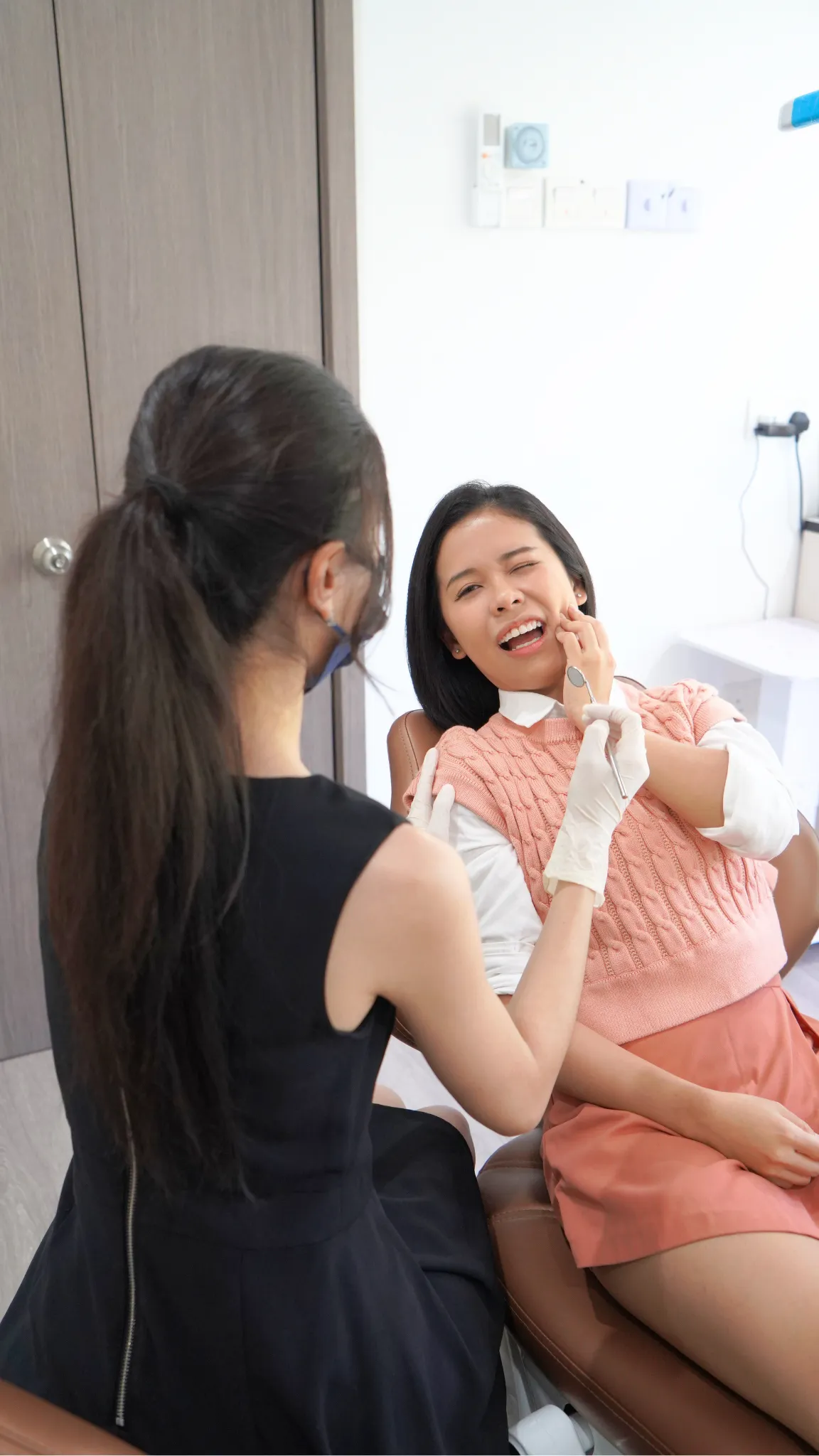
Toothache, swelling, broken teeth, lost crowns, knocked-out teeth and bleeding seen during opening hours in SS2, with pain relief first and the definitive treatment planned after.
A dental emergency is any problem that needs attention the same day: severe toothache, a swelling or abscess, a broken tooth or filling, a crown or bridge that has come off, a knocked-out tooth, a jaw that will not open or close, a broken denture, or bleeding that does not stop after an extraction. We see emergency patients during opening hours, relieve the pain or stabilise the problem first, and then plan the definitive treatment.
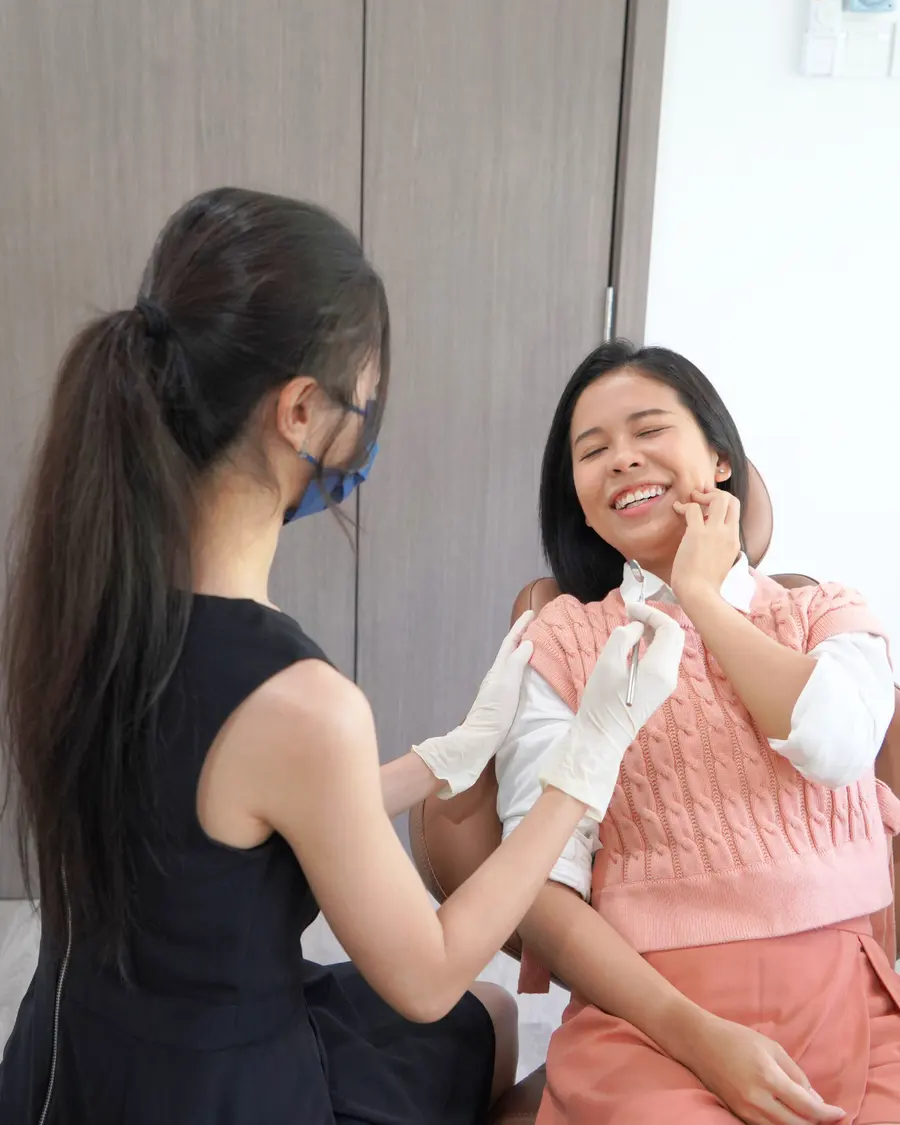
Emergency patients are prioritised by pain and swelling.
Drain, dress, re-cement or remove, then plan the definitive treatment.
And a written plan for the follow-up.
Call or WhatsApp first. We give first-aid advice while you travel.
Not every option suits every patient. We confirm the right one at your examination and explain it before anything starts.
Explore the options. The plan is tailored to your case.
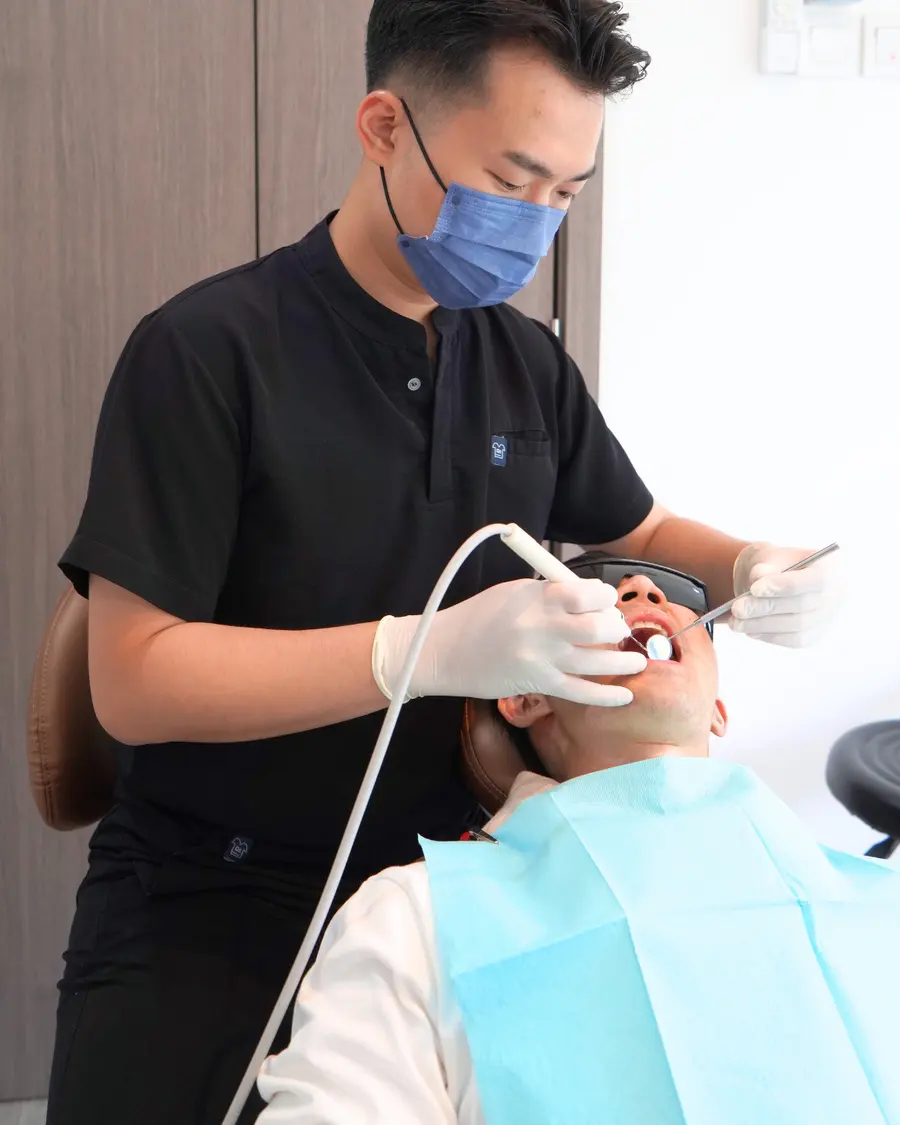
Prompt care to safely drain painful infections, clear harmful bacteria, and help save the affected tooth.
Rapid assessment and fast-acting intervention to pinpoint the source of severe pain and restore your comfort.
Prompt and seamless repair to immediately seal exposed tooth structures, preventing decay, sensitivity, and further damage.
Urgent re-cementing or replacement of loosened dental fixtures to quickly restore the aesthetic appearance and function of your smile.
Fast, highly aesthetic restorations that smoothly repair chipped or cracked teeth to prevent worsening complications.
Time-critical, emergency stabilization and reimplantation procedures to maximize the likelihood of saving a knocked-out tooth.
Assessment and management of muscle spasm or joint displacement that limits how far the jaw opens.
Expedited diagnostic repairs tailored to seamlessly restore the snug fit, structural integrity, and appearance of your appliance.
Prompt clinical management dedicated to controlling post-operative bleeding and actively stabilizing your oral tissues.
What happens at each stage.
Seen during opening hours and prioritised by pain and swelling. The pain is dealt with at that visit, and the definitive treatment is planned once things have settled rather than rushed while the area is inflamed.
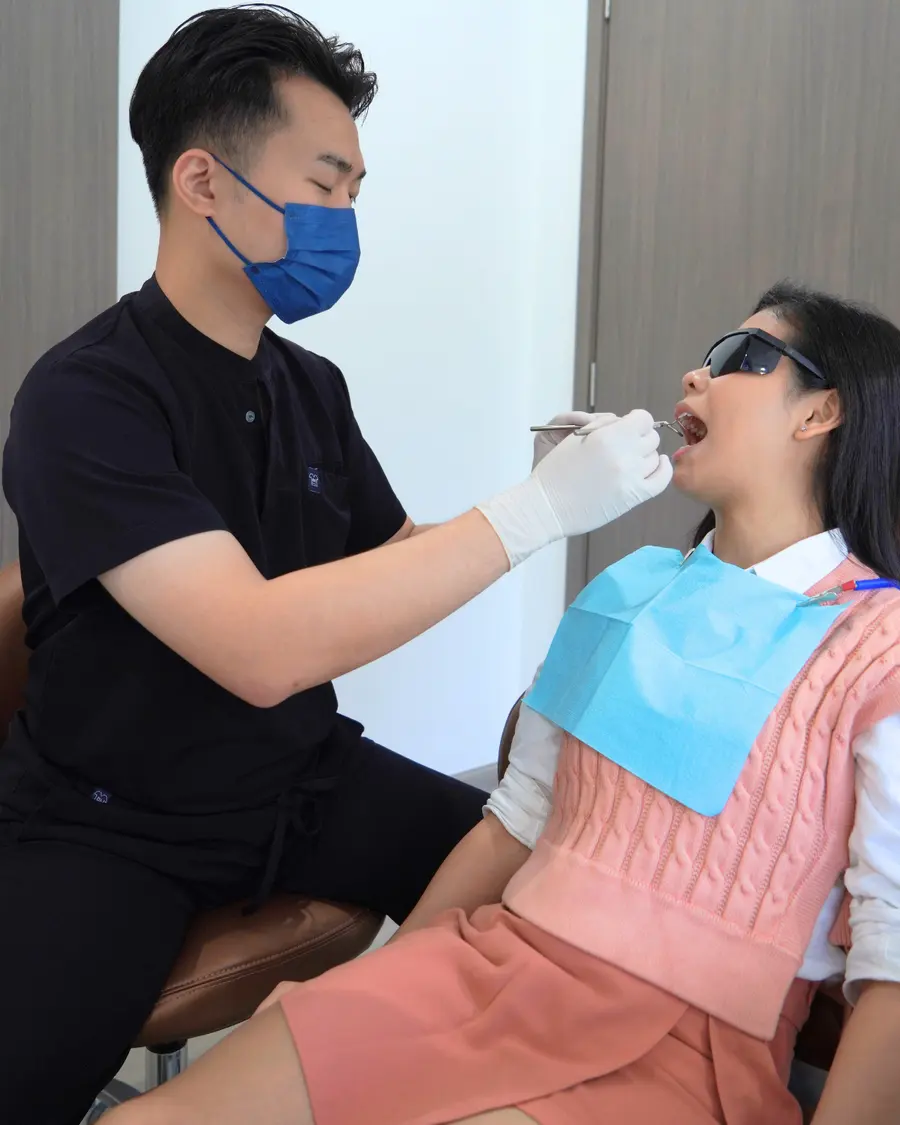
Call or WhatsApp during opening hours, describe the problem and send a photo if you can. We give first-aid advice while you travel.
Emergency patients are seen during opening hours and prioritised according to pain and swelling.
Examination and an X-ray to find the cause: infection, a crack, an exposed nerve, a lost restoration or a joint problem.
Draining an abscess, a soothing temporary dressing, a temporary filling or crown, re-cementing, or removing a tooth that cannot be saved.
The definitive treatment, such as root canal treatment, a crown or a replacement tooth, is planned once the pain is controlled.
Call or send a WhatsApp before you set off. We can give first aid advice while you are travelling and hold a slot for you, which gets you seen sooner than arriving unannounced.
The practical things patients ask about.
Call or WhatsApp so we know what is coming. Take an ordinary painkiller if you can, note what you have already taken and when, and bring any tooth fragments or a displaced crown with you.
The examination is aimed at the immediate problem, with an X-ray where it changes what we do. You are told what it is, what the fee is and what we propose, before we start rather than after.
Relief is usually immediate once the pressure is released or the tooth is dressed. Where antibiotics are prescribed, finish the course even though the pain has gone, because the pain going is not the infection going.
Draining an abscess or dressing a tooth buys time, it does not fix the cause. The root canal treatment, extraction or crown that finishes the job is booked at the emergency visit rather than left to you to chase.
Go to a hospital emergency department rather than to us if the swelling is affecting your breathing or swallowing, if it is spreading towards the eye or under the jaw on both sides, if you have a high fever with facial swelling, or if you cannot open your mouth more than a finger width. Those are the presentations that need a hospital, not a dental chair.
Fees are quoted per case. These factors move the figure.
The cause and the treatment needed on the day: a dressing, a temporary restoration, drainage, re-cementing or an extraction.
X-rays needed to find the cause.
The definitive treatment that follows, such as root canal treatment, a crown or a replacement tooth.

We explain the fee for the emergency visit before proceeding, and give a written plan for the follow-up treatment.
Book a consultation or message us on WhatsApp. We explain your options and give a written plan before any treatment begins.
For a knocked out adult tooth the first thirty minutes decide the outcome, so this is worth reading before you need it rather than after.
| Knocked out adult tooth | Broken tooth or lost crown | Swelling of the face or gum | |
|---|---|---|---|
| Do this now | Hold it by the crown, never the root. Rinse it briefly in milk or saline if it is dirty, put it straight back in the socket the right way round and bite gently on a clean cloth to hold it | Rinse your mouth with warm water, keep any fragment or the crown itself, and cover a sharp edge with orthodontic wax or sugar free gum | Ordinary painkillers, warm salt water rinses, and call us the same day |
| Do not | Do not scrub it, do not use soap or disinfectant, and do not let it dry out | Do not glue a crown back with household adhesive, and do not chew on that side | Do not apply heat to the outside of the face, do not try to burst it, and do not rely on leftover antibiotics |
| If you cannot put it back | Keep it in milk, or in your own saliva inside your cheek if you are able to. Never in plain water | Keep the crown in a container and bring it. It can often be recemented | Not applicable |
| How fast | Within thirty to sixty minutes. After a couple of hours dry the chances fall away sharply | Same day if there is pain or a sharp edge, within a few days otherwise | Same day. Facial swelling does not settle on its own |
| A baby tooth instead | Do not put a baby tooth back. Pushing it back can damage the adult tooth forming above it. Bring it and let us look | Same as an adult tooth | Same as an adult, and seen the same day |
The single most useful thing on this table is the milk. Milk keeps the cells on the root surface alive far better than water does, and it is the difference between a tooth that can be splinted back and a tooth that cannot.
Open a topic for the full explanation.
A dental emergency includes severe toothache that keeps you awake, a swelling of the gum or face, or a knocked-out or broken tooth. It also includes a crown, bridge or filling that has come off, bleeding that does not stop after an extraction, a locked jaw, a broken denture you rely on, or an injury to the mouth. If a swelling affects breathing or swallowing, spreads towards the eye, or comes with a high fever, go to a hospital emergency department first.
A knocked out adult tooth is one of the few genuine time critical emergencies in dentistry. The cells on the root surface that let the tooth reattach to the bone start dying within minutes of drying out, and once they are gone the tooth will eventually be resorbed and lost even if it is put back. Putting the tooth into its socket within the first half hour gives it the best chance by a wide margin, and doing that yourself at the scene beats travelling to us with it in a tissue.
If you cannot face replanting it, the storage medium is what matters. Milk is the practical choice because it is available and its salt concentration and pH are close enough to the body's own to keep the cells alive for a few hours. Your own saliva, held inside the cheek, is the fallback where the person is old enough not to swallow it. Plain water is the one to avoid, because the cells burst in it.
Once we have it back in the socket it is splinted to the neighbouring teeth for a period, and the tooth almost always needs root canal treatment afterwards. That is expected rather than a complication.
A dental abscess is a collection of pus under pressure inside bone. Antibiotics travel in the blood, and the inside of an abscess has almost no blood supply, which is why antibiotics alone frequently take the edge off without curing anything and why the pain returns when the course finishes. What resolves it is drainage and dealing with the source, either through the tooth by starting root canal treatment or by removing the tooth.
Antibiotics have a real place alongside that, where the infection has spread into the surrounding tissues, where there is fever or spreading facial swelling, or where a patient's medical history calls for cover. What they are not is a way to keep postponing the appointment. Repeated courses for the same tooth drive resistance and let the bone loss continue quietly underneath, and it remains a matter for the dentist seeing you rather than a request that can be filled over the counter.
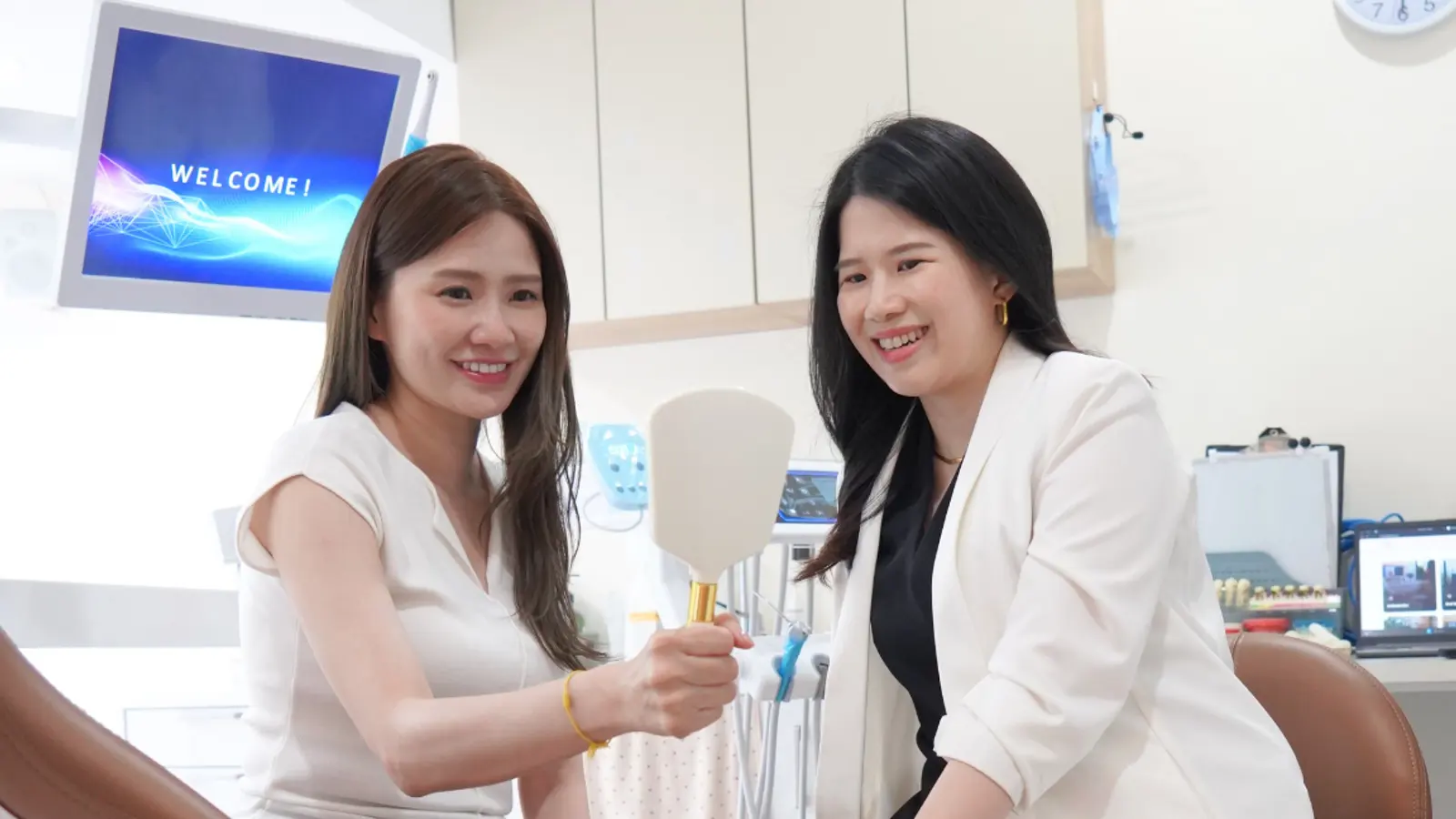
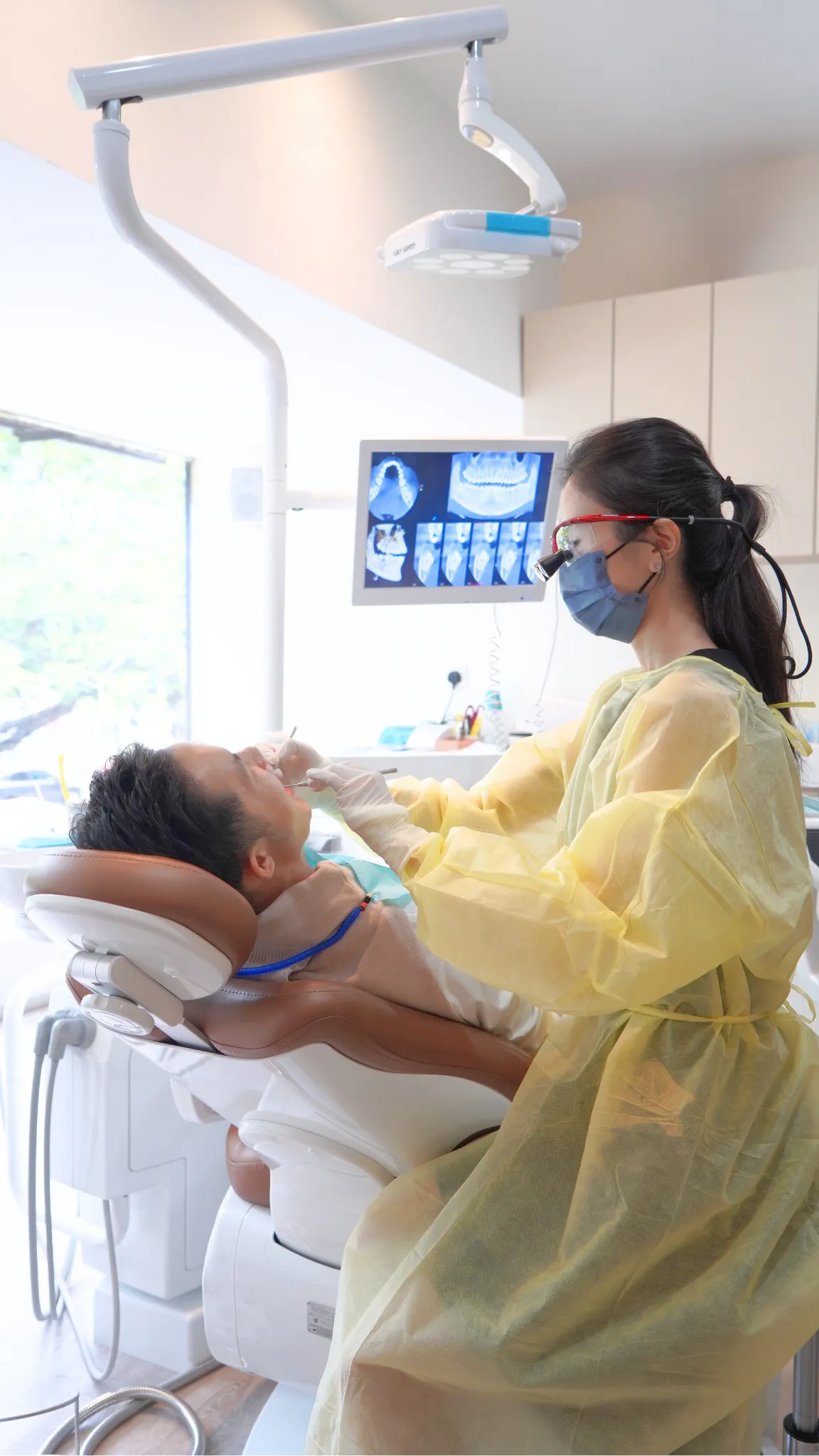
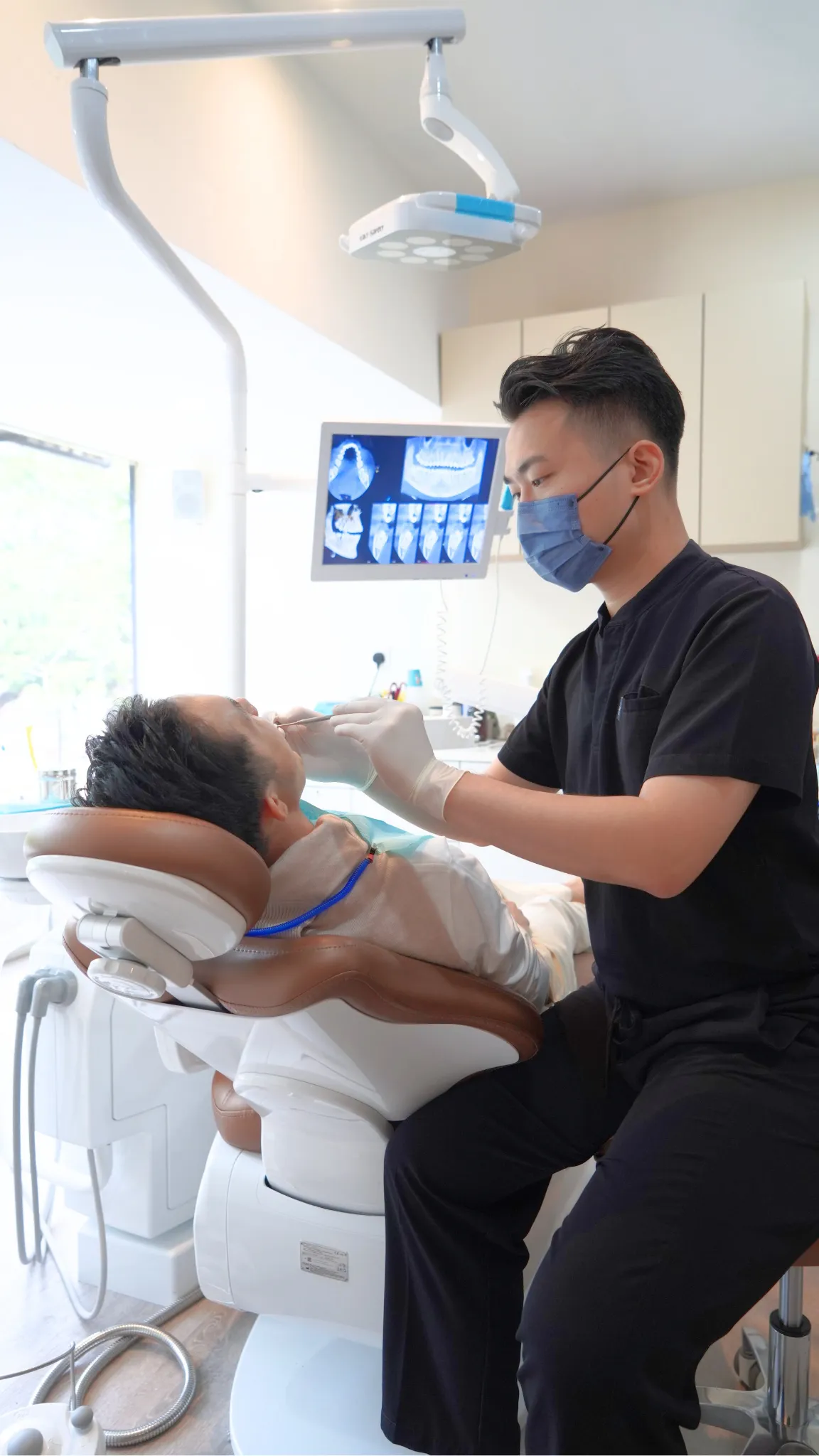
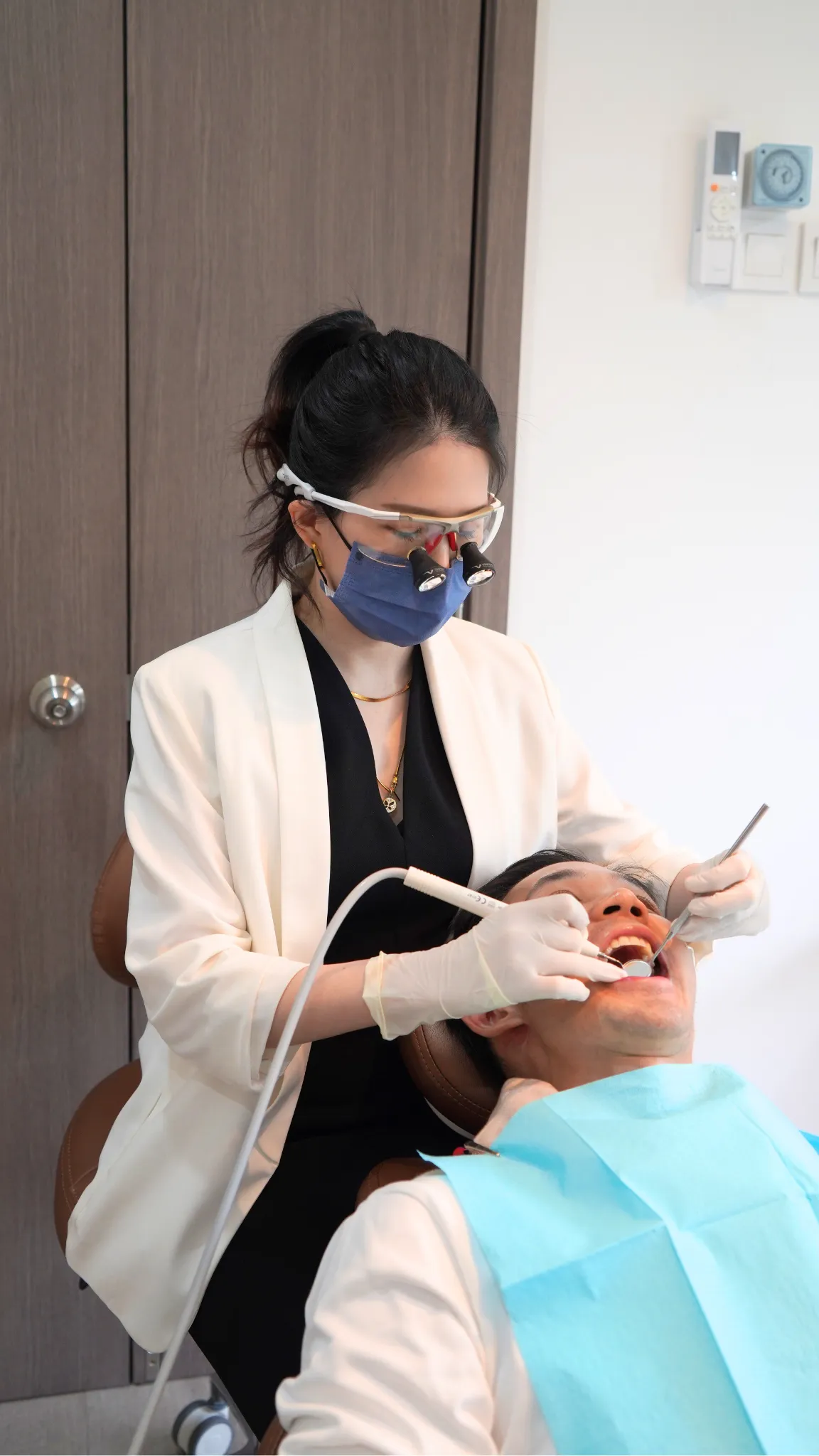
V Dental Clinic in SS2, Petaling Jaya provides emergency with clear explanations, careful planning and follow-up at every step.
A detailed treatment plan and fee breakdown before treatment begins.
Strict sterilisation and hygiene protocols for every visit.
755+ Google reviews from our patients. Read them on Google.
Conveniently located in SS2, Petaling Jaya.
Before and after cases treated at our clinic, and what patients say on Google.
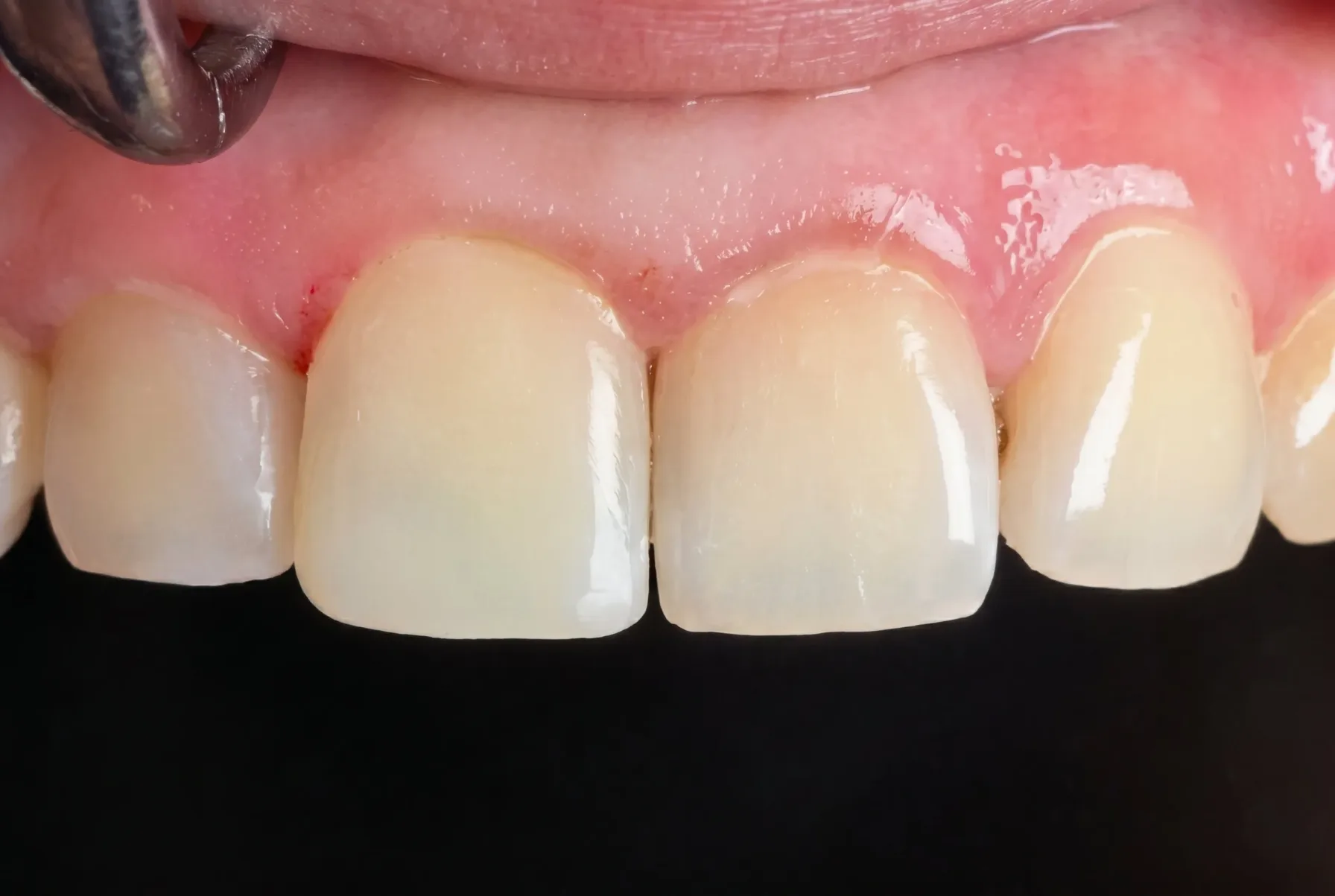
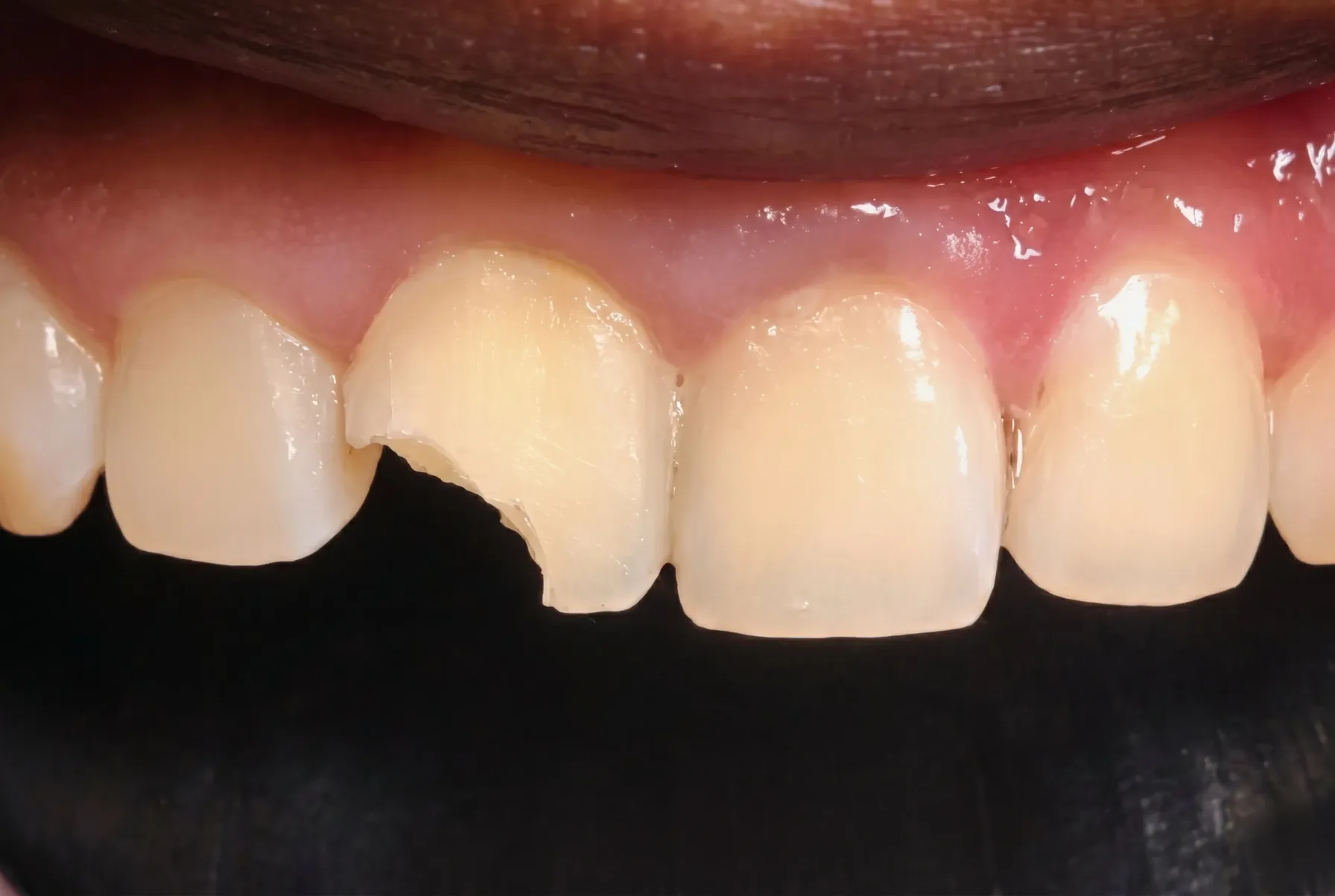
Restoring huge chipped tooth with aesthetic filling.
out of 5 on Google
Based on 755+ reviews
Adnan
July 2026
Thank you,Dr Koh, for the excellent dental implant treatment.The whole process was well explained,smooth and comfortable.Im very pleased with the results and would definitely recommend this clinic to others
View on GoogleSummer Lee
June 2026
The doctor was very good, patient, and professional. I went for braces treatment and had a great experience. The doctor explained everything clearly and made me feel comfortable throughout the consultation. Highly recommended!
View on GoogleNick Koay Han Yann
June 2026
Recommended by one of my relatives, Dr Koh is very friendly and informative. Did my scaling and filling. No issue, had a good experience.
View on GoogleEverything you need to know about this treatment.
Pick it up by the crown, not the root. If it is dirty, rinse it briefly in milk or saline, then place it back in the socket if you can and bite gently on a cloth. If not, keep it in milk (or, for an older child or adult, inside the cheek) and come in immediately. The sooner it is back in the socket the better, ideally within 30 minutes. Do not put a baby tooth back in.
We accommodate dental emergencies during opening hours and prioritise patients in pain. Call or WhatsApp before coming so we can prepare for your arrival and advise you on the way.
Contact us the same day. An abscess is an infection that needs drainage and treatment of the tooth (root canal treatment or extraction). Antibiotics alone do not cure it. If the swelling affects your breathing or swallowing, spreads towards the eye, or comes with a high fever, go to a hospital emergency department.
Keep the crown, avoid chewing on that side, and keep the tooth clean. Cover a sharp edge with sugar-free gum or dental wax if needed. See us within a few days: a crown can often be re-cemented if the tooth underneath is sound.
Pain that starts two to four days after an extraction when the blood clot in the socket is lost, exposing bone. It is more common after lower wisdom tooth removal and in smokers. It is treated with cleaning and a medicated dressing, which usually relieves the pain within hours.
A locked jaw is usually a jaw joint (TMJ) problem or a muscle spasm. We assess the joint, relieve the spasm, and may gently guide the jaw back if the joint has slipped, followed by a splint or muscle relaxants if needed. A dislocated jaw that cannot be reduced is referred to hospital.
Bite firmly on a folded gauze or clean cloth for 30 minutes without checking, keep your head raised and do not rinse or spit. Slight oozing for a day is normal. If bleeding continues beyond a few hours, or you take blood thinners, call us for same-day advice.
Treatments that commonly come up alongside this one, either as an alternative or as the step before or after.
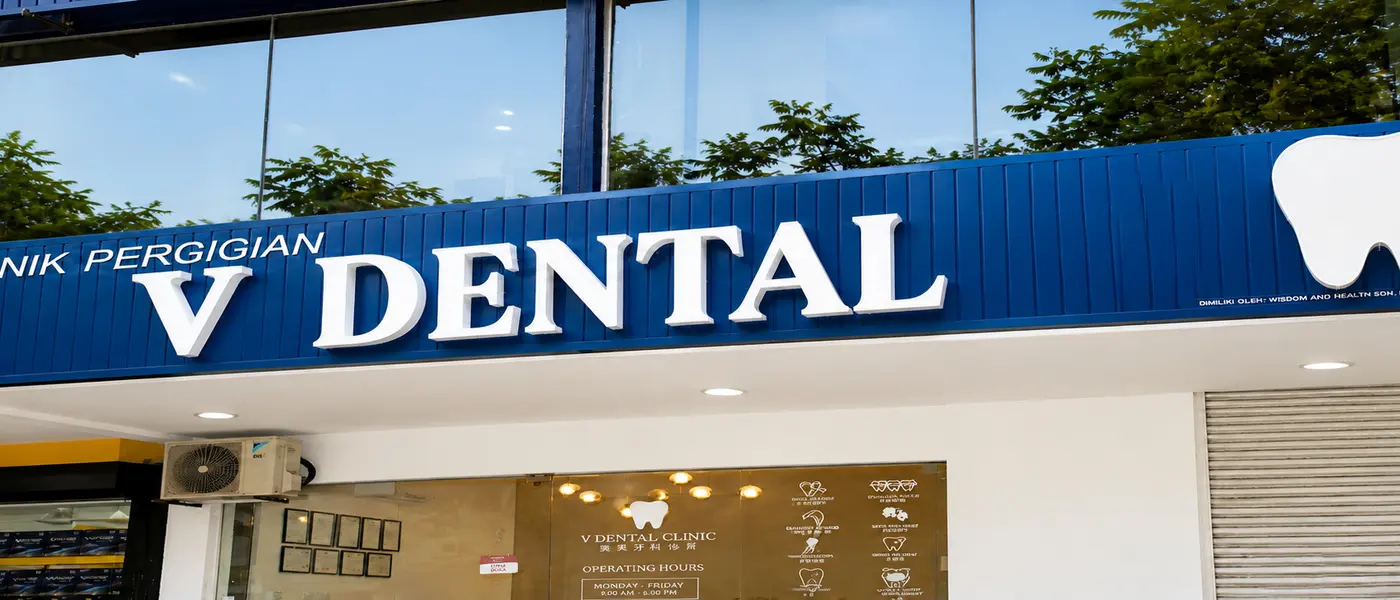
Walk-ins are welcome, but an appointment keeps your waiting time short.
Opening hours
Mon to Sat: 9:00 AM to 9:00 PM (MYT)
Sun: 9:00 AM to 6:00 PM (MYT)